






Andy Burnham warned EU reset deal pushes British businesses to breaking point
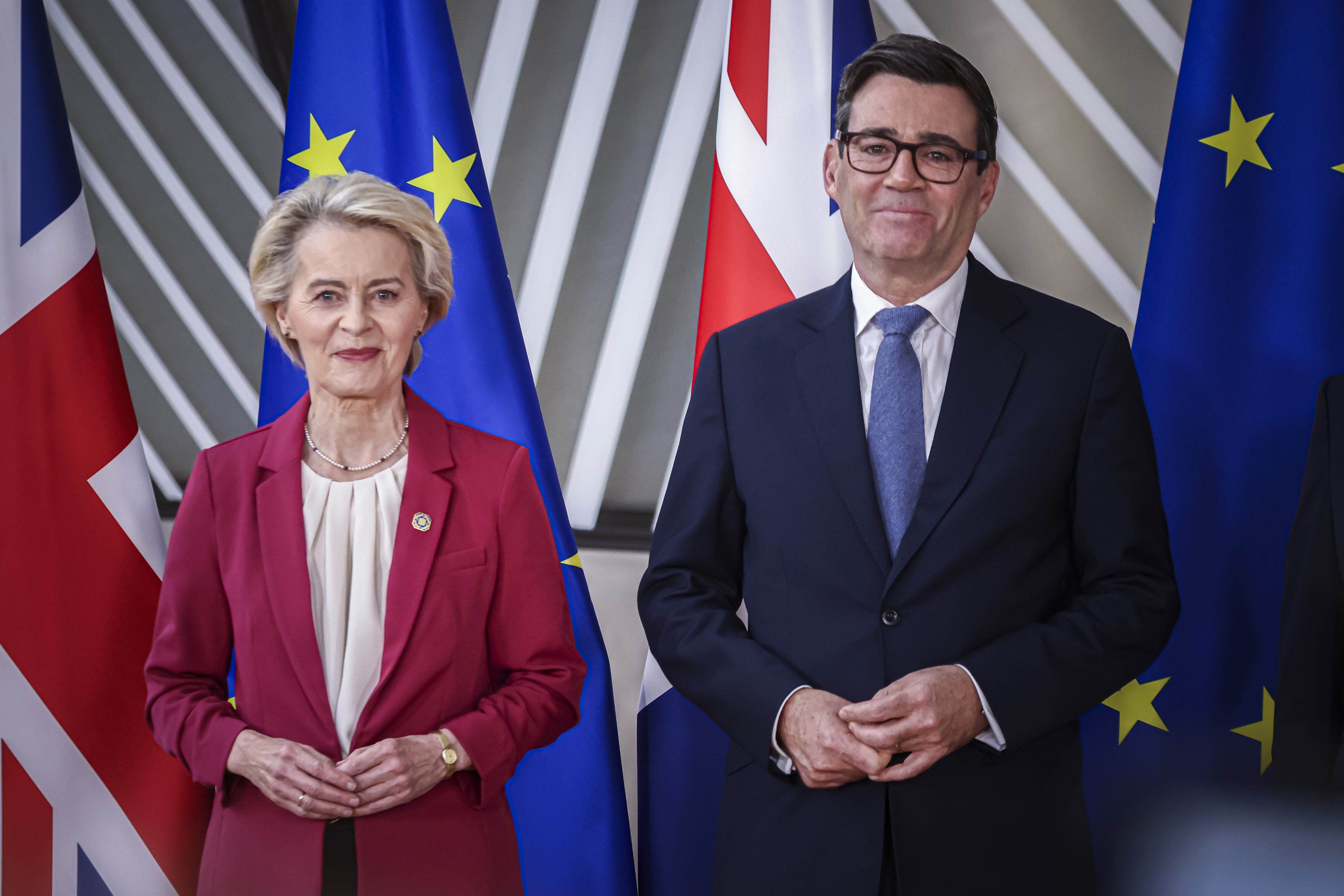
A Carbon tax deal with Europe risks piling more costs onto manufacturers "at a time when industry is already struggling to survive", chemicals giant INEOS has warned.
The company, founded by industrialist Sir Jim Ratcliffe, said that linking UK and EU carbon charge schemes could add pressure to firms already burdened by "sky-high energy prices".
Fuel producers have also sounded the alarm over the plans, confirmed at today's EU/UK summit, saying any increase in carbon costs could threaten the UK's energy resilience.
Britain and the EU operate separate emissions trading schemes (ETS), carbon levies that require power stations and heavy industrial plants to produce permits for their emissions.
British permits currently cost less than European ones, but the markets are set to be linked from January 2028.
The prospect of alignment has already driven UK prices towards EU levels, experts said. The Government believes linking the schemes will exempt £6.5 billion of British exports, including from the steel and aluminium industries, from EU carbon border taxes.
Trade body Energy UK argues that although linkage could intially increase carbon prices, businesses would ultimately face lower carbon costs than if Britain's market remained separate.
But INEOS warned: "Linking the EU and UK ETS schemes will add further cost to businesses in addition to sky-high energy prices.

“The EU is itself reviewing its emissions trading system. It makes little sense for Britain to commit to alignment before knowing what the future rules will be, or what influence the UK will have over them.
“The Government argues that closer alignment with Europe will deliver economic growth. But if the result is higher costs, factory closures and the loss of British jobs, in practice the opposite is true."
Europe operates a Carbon Border Adjustment Mechanism, or CBAM, which imposes tariffs on high-carbon imports. Britain is introducing a similar scheme next year.
They are designed to stop 'carbon leakage', where domestic industries are undercut by overseas competitors with lower or no carbon costs.
LATEST DEVELOPMENTS
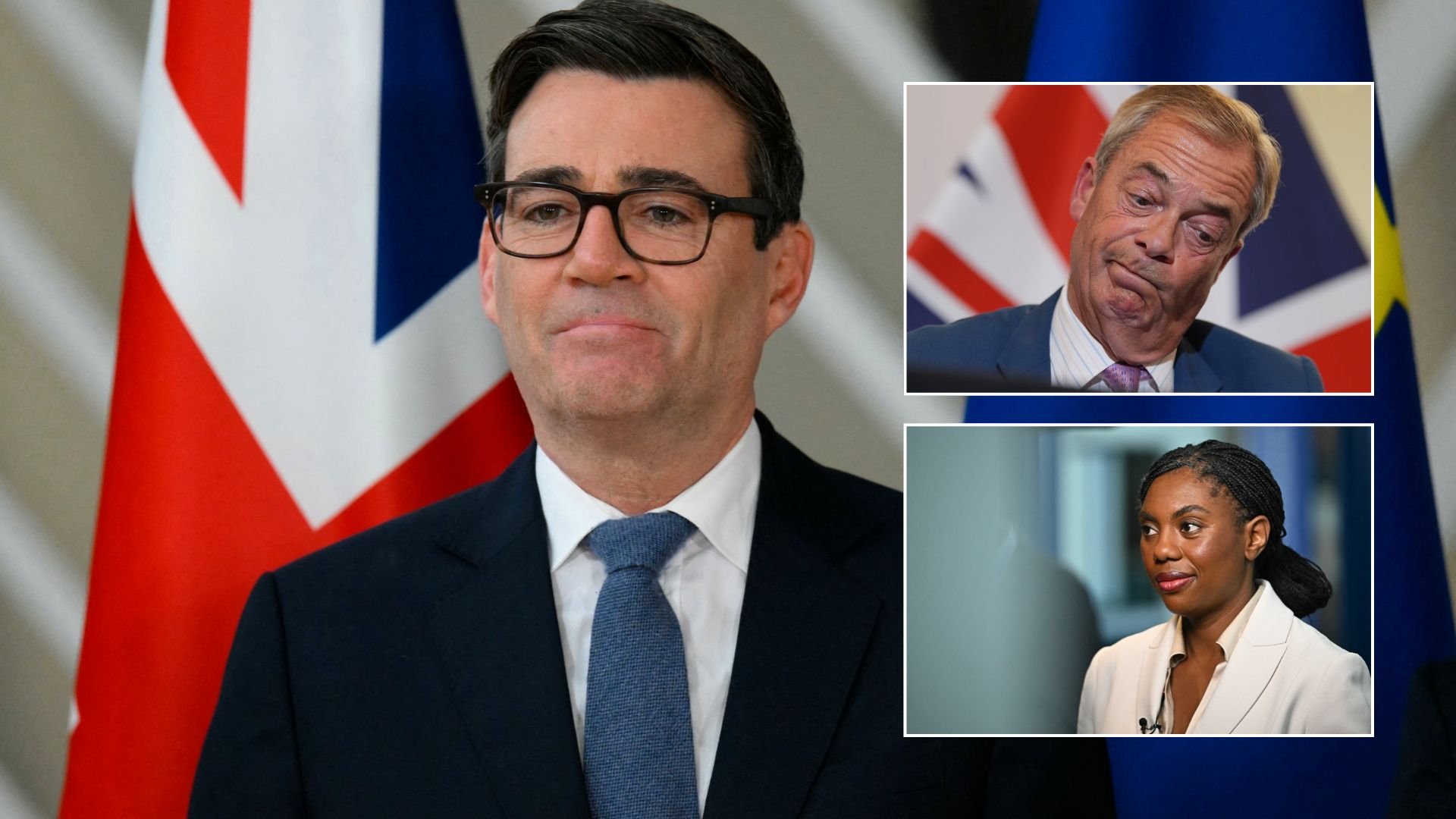
- Andy Burnham has launched a battle for Britain's future with Brexit surrender deal
- Nigel Farage vows to fight Andy Burnham in 'Brexit Election' as PM accepts surrender deal
- Donald Trump risks putting billions of UK investment on ice with vow to punish overseas data centres

But products including refined fuels and most petrochemicals fall outside the scope of the CBAM.
Colin Pritchard, Sustainability and External Relations Director at INEOS Grangemouth, which manufactures petrochemical products, said this meant facing the same competition from cheaper imports while shouldering higher carbon costs.
He said: “We are more exposed to the carbon price, and these policies have driven the carbon price up.
"We're handing an advantage to all of these high carbon, low-cost producers, such as America and China.

"Effectively, what we've done is tariffed ourselves into a position where it's more attractive and lower cost for the markets here to import from these countries."
He said border carbon controls would need to be widened to be effective.
“For a CBAM to work effectively, then it really needs to cover everything in the economy that we import," he said.
“What we need to be is globally competitive. So as long as it's cheaper to manufacture in China and America than it is in Europe, we're joining Europe on a self-destructive course."

Trade body Fuels Industry UK said that Britain's four remaining refineries already face carbon costs of £50m each a year.
Many global competitors do not face these levies. Speaking ahead of this morning's announcement, chief executive Elizabeth de Jong said: "UK refineries are already unable to compete on a level playing field with carbon costs, not paid by many oversees producers, set to triple by 2030.
"Alignment with the EU could make this worse. Any deal with the EU must maintain our national resilience in an increasingly unstable world."
The Government is considering including refined products under the CBAM, although any change will not be in place when the scheme begins next year.

Dhara Vyas, Chief Executive of Energy UK, welcomed the deal, saying it would make decarbonisation quicker and cheaper.
She said: “Linking our carbon markets is good for consumers, good for investment, and good for the climate.
“Linking our respective carbon pricing regimes will strengthen industrial competitiveness and enable faster and more cost-effective decarbonisation.
"We urge both sides to implement this linkage at pace."
Energy UK's director of policy, Adam Berman, said: "ETS linkage will mean lower and more stable carbon prices for UK market participants than if we hadn’t linked.
"Whilst price convergence could mean slightly higher costs for the UK in the short term, linkage would lead to lower costs from 2027 onwards.
"If no linkage is achieved, the UK ETS price is expected to rise above the EU ETS next year, and remain more expensive well into the 2030s.”
The ETS move was one of a number of measures announced today, including fewer checks on food and agricultural exports, a scheme to allow freer movement for youngsters and closer work on tackling illegal migration.
Mr Burnham has claimed the overall deal will add £17 billion a year to the British economy.
He said the ETS move would help British industry by giving it access to the European carbon scheme.
Previously, the Government said that linking the markets would help stabilise carbon prices and support investment in new technologies and jobs.
The main elements of the agreement are intended to apply from 2028, with a January 2030 target date for the youth scheme.
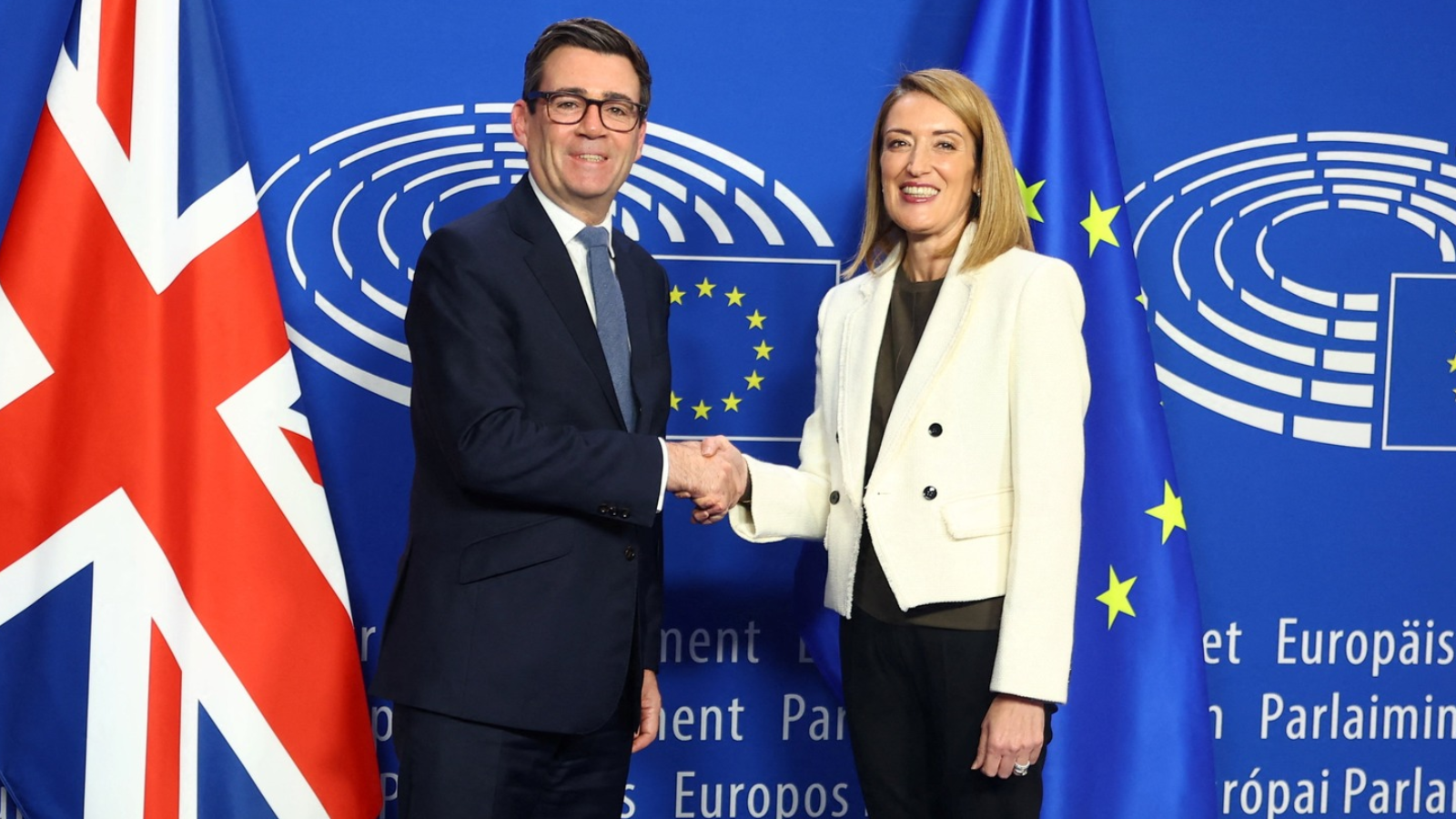
Mr Burnham told a press conference: "We’re 10 years on from Brexit, but I think we can all confidently say this is a good day for Britain, and this is a good day for Europe. “The agreement that we’ve reached together is a win-win."
Our Standards: The GB News Editorial Charter
What's Your Reaction?
 Like
0
 Dislike
0
 Love
0
 Funny
0
 Angry
0
 Sad
0
 Wow
0