
























Beloved British garden staple at risk of disappearing after driest summer in 100 years
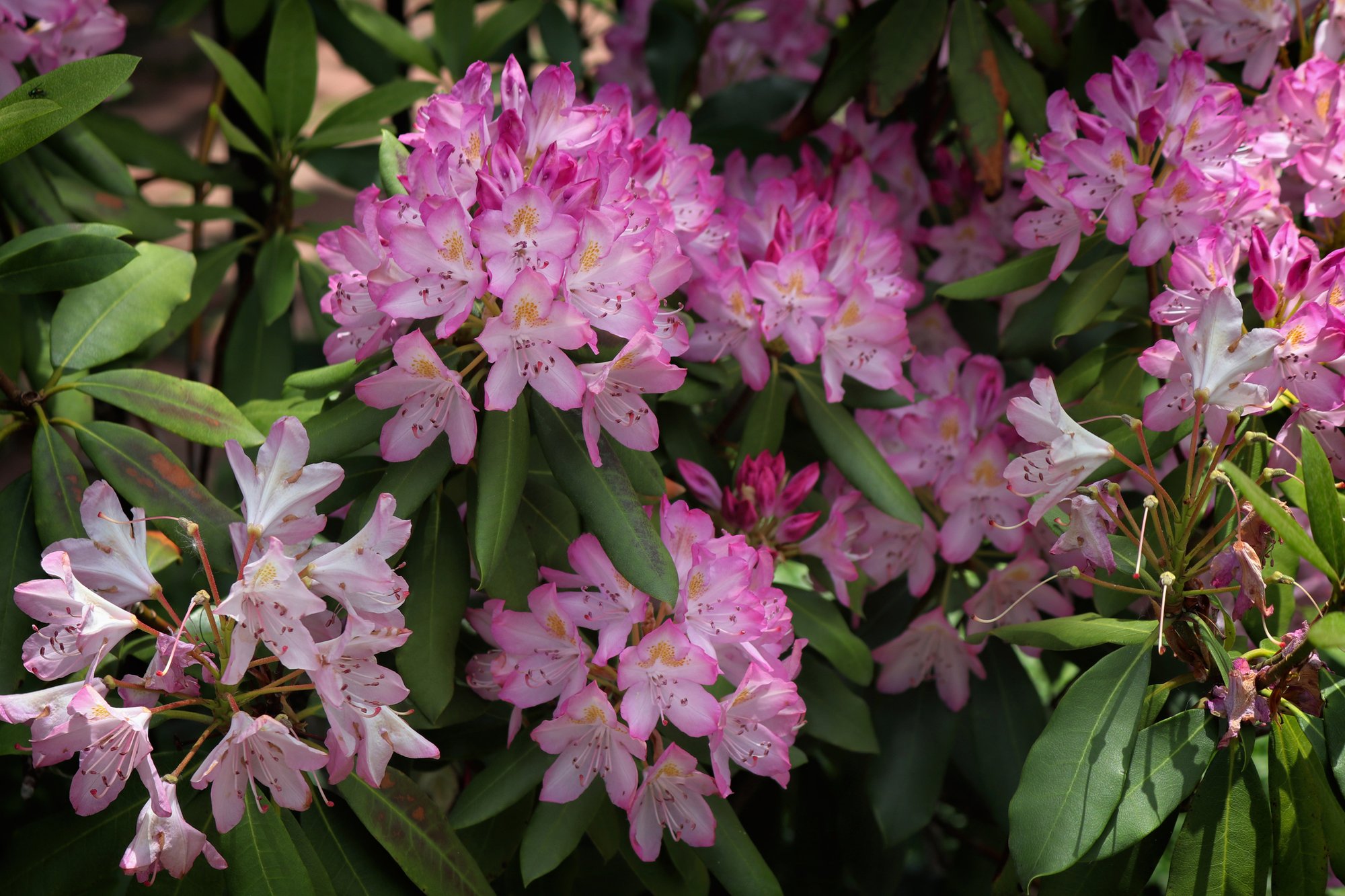
England's beloved rhododendrons, a fixture of the nation's most celebrated gardens from Buckingham Palace to Kew, face devastation following this summer's punishing droughts and temperatures that reached 38C.
Senior horticulturists across the South East have warned that extreme heat has put these iconic flowering shrubs under severe pressure, with predictions that most gardens in the region could see more than half their rhododendron collections perish in the coming years.
The crisis is now compelling some of Britain's most prestigious horticultural institutions to fundamentally rethink what they plant.
Elliot Chandler, senior gardener at High Beeches in West Sussex, offered a stark assessment: "The days of having gardens with masses and masses of rhododendrons are numbered."
He described the plants as an "early warning system for drought," noting they tend to be the first casualties when rainfall falls short.
Iain Parkinson, Head of Landscape and Horticulture at Kew Wakehurst, explained that the species is especially susceptible because it evolved in cool, damp mountain habitats and depends on shallow roots that need regular moisture.
He said: "We must recognise that we cannot continue gardening as though the climate isn't changing."
In response, teams at Kew Gardens, High Beeches and Nymans are overhauling their planting strategies.

Azalea varieties of rhododendron and Japanese maples, both badly affected, may be replaced with hardier alternatives sourced from North America, Southeast Europe, Central Asia, South Korea and Japan.
Mr Parkinson's team intend to phase in fruit trees, pear, apple and plum originating from Georgia and Armenia, alongside a walnut nuttery using stock from Kyrgyzstan.
The shift also marks a philosophical departure, with gardeners abandoning the pursuit of immaculate, traditional English landscapes in favour of lower-intervention approaches that demand less water and produce fewer carbon emissions.
While drought threatens ornamental rhododendrons, one species is simultaneously being actively removed across Britain.
LATEST DEVELOPMENTS
- Nearly 28,000 handmade poppies create moving tribute at Southsea Castle
- Church of England plans sweeping crackdown on flowers to hit net-zero target
- Roses - everything you need to know to get the perfect flower

The Woodland Trust has urged gardeners to avoid buying Rhododendron ponticum, which spreads disease and smothers native woodland flora.
Rebecca Gosling, a tree disease expert at the charity, said: "Rhododendron ponticum is a real problem for the UK's native plants and trees."
The National Trust for Scotland is working to eliminate the species after it overwhelmed indigenous vegetation, while the Scottish government provides grants to landowners for its clearance.
In Wales, Eryri National Park has identified it as one of its most damaging invasive species.

West Sussex, where both Kew Wakehurst and High Beeches are located, remains under official drought conditions, as does 71 per cent of England, after prolonged periods of inadequate rainfall.
The nearby Ardingly Reservoir underscored the severity of the water shortage, with levels plummeting to a mere 17.1 per cent of total capacity at their lowest point during the summer months and showing little sign of meaningful recovery since.
Meanwhile, species such as magnolia, cherry, and pear trees, along with verbena, showed far greater resilience in the dry conditions.
Our Standards: The GB News Editorial Charter
What's Your Reaction?
 Like
0
 Dislike
0
 Love
0
 Funny
0
 Angry
0
 Sad
0
 Wow
0