












Britain could be punished for committing 'genocide' in Ireland over role in potato famine
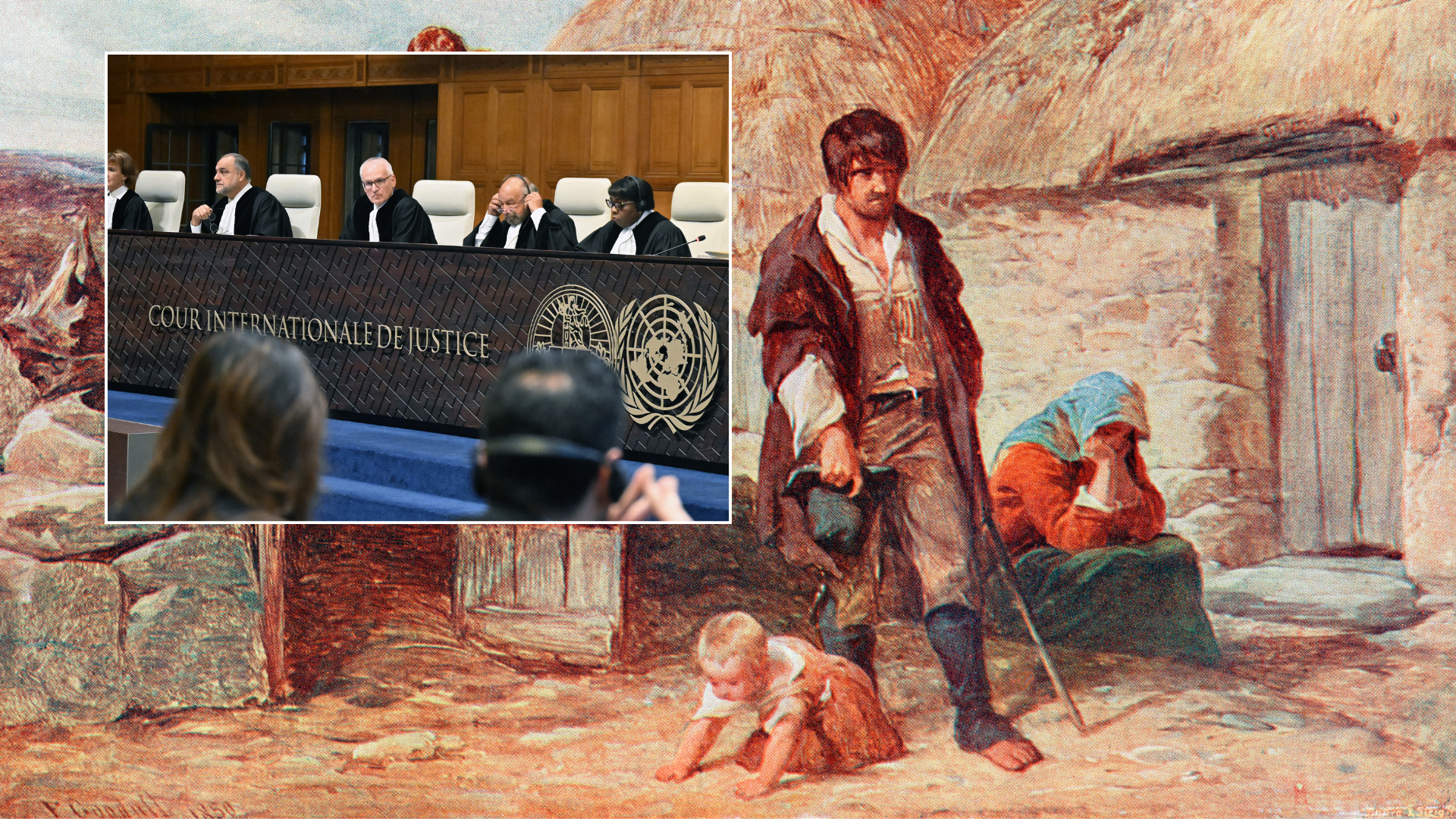
Britain could be hauled before the International Court of Justice (ICJ) over claims of genocide in the Irish potato famine, legal experts have warned.
Efforts to broaden the definition of the most severe international crime could lead to claims against the UK over its historic conduct, the think tank Policy Exchange has said.
The ICJ is currently deliberating on whether Myanmar's persecution of the Rohingya minority constitutes a genocide, with a decision expected this week.
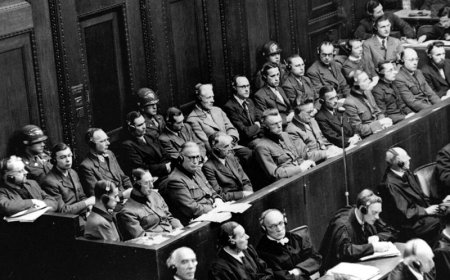
Under the 1948 Genocide Convention, which was established in the aftermath of the Holocaust, genocide is defined as acting with the deliberate aim of destroying, wholly or partially, a group defined by nationality, ethnicity, race or religion.
The evidentiary bar has historically been set extremely high, with no state having been found formally responsible for genocide by the ICJ.
In earlier judgments, the court ruled that genocidal intent could only be established where it represented the sole reasonable explanation for a state's conduct.
However, the ICJ may shift to a significantly lower standard, under which genocide could be demonstrated through a mere “reasonable inference” of intent.
If Myanmar is ruled to have overseen a genocide through this new definition, it would establish a precedent under which other cases may be subject.

A report from Policy Exchange has warned that this would make it far easier for claimants to bring genocide proceedings against states over past and present military operations.
The paper warns that a weakened definition risks blurring the distinction between genocide and lawful military action, potentially opening the door to legal proceedings against British ministers, government officials and armed forces personnel.
“An enlarged definition would invite the ICJ to hand down judgments against the UK not just for the conduct of our soldiers but also for our security relationships with partners and allies,” the report read.
It continued: “We could expect geopolitical adversaries of the UK to invoke an enlarged definition of genocide.”
LATEST DEVELOPMENTS
- Migrant knifeman who sparked Dublin riots jailed for life over attempted murder of children
- Securing the skies! British Army reservists shoot down replica Russian and Iranian drones in Finland
- Muslims stage huge protest outside Indian restaurant refusing to serve customers halal food

Policy Exchange argued that potential rulings could declare "unlawful the very defence alliances on which our national security for nearly a century has relied".
Critics have long accused Britain of genocide in relation to the Irish potato famine of the 1840s, when government policies are said to have caused mass starvation, and over the defeat of the Kenyan Mau Mau uprising in the 1950s.
The report identifies Ireland and Amnesty International as among those actively pressing the ICJ to make genocidal intent simpler to establish.
Dublin has specifically urged the court to adopt a reduced threshold, one that would encompass Israel's military operations in Gaza.

Policy Exchange suggests that hostile states such as Russia, Iran and their proxies have already turned genocide accusations into a propaganda weapon directed at both global and British audiences.
Since 2014, Moscow has falsely alleged that Ukraine perpetrated genocide against ethnic Russians in the Donbas region, a claim the experts say would gain further credibility under a relaxed legal framework.
“A lower bar would have helped Moscow more than us, because it would have put our case on the same shelf as Russia's invented one,” former Ukrainian foreign minister Dmytro Kuleba said in the report.
Contributors to the Policy Exchange paper include Sir John Jenkins, a former British ambassador; Dr Tom Grant, an international law specialist; and Air Marshal Edward Stringer.
Our Standards: The GB News Editorial Charter
What's Your Reaction?
 Like
0
 Dislike
0
 Love
0
 Funny
0
 Angry
0
 Sad
0
 Wow
0