

















Britain’s native butterflies face ‘urgent battle’ for survival as dozens of species decline
Britain’s native butterflies are locked in an uphill struggle for survival, with new data showing dozens of species are in decline.
More than half of the UK’s butterfly species have seen their numbers fall, with some populations collapsing by nearly 90 per cent over the past five decades.
The UK Butterfly Monitoring Scheme - a citizen science project that has collected more than 44 million records over 50 years - found 33 of 59 species have declined since tracking began.
Conservationists have warned the figures point to an “increasingly urgent battle” for survival.
Species reliant on specific habitats, such as woodland clearings and chalk grassland, have been hardest hit, with many disappearing rapidly from traditional areas.
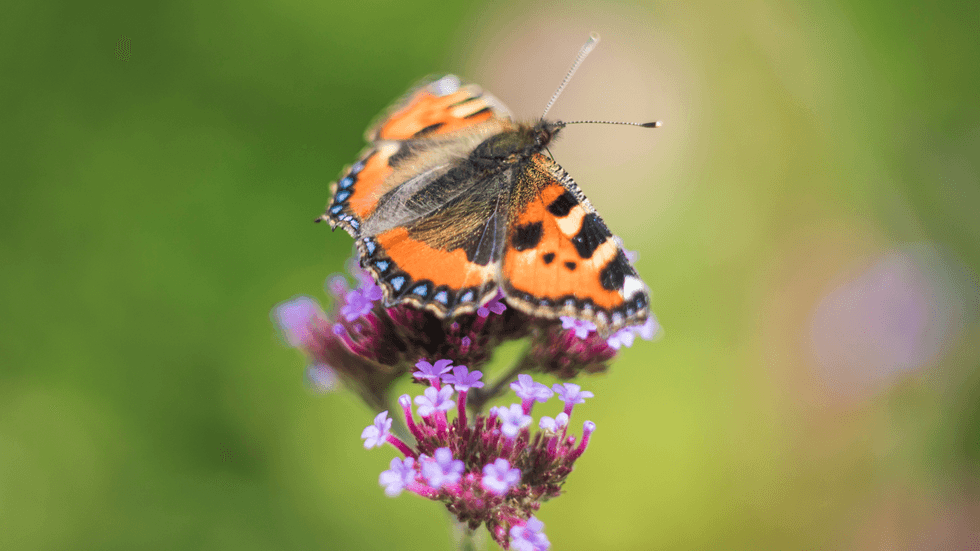
The small tortoiseshell has suffered one of the steepest declines, with numbers falling by 87 per cent since 1976.
Pearl-bordered fritillaries - orange-and-black butterflies whose caterpillars rely on violets in sunlit woodland and bracken slopes - have dropped by 70 per cent.
White-letter hairstreaks, which depend entirely on elm trees, have also been hit hard following widespread elm loss due to disease.
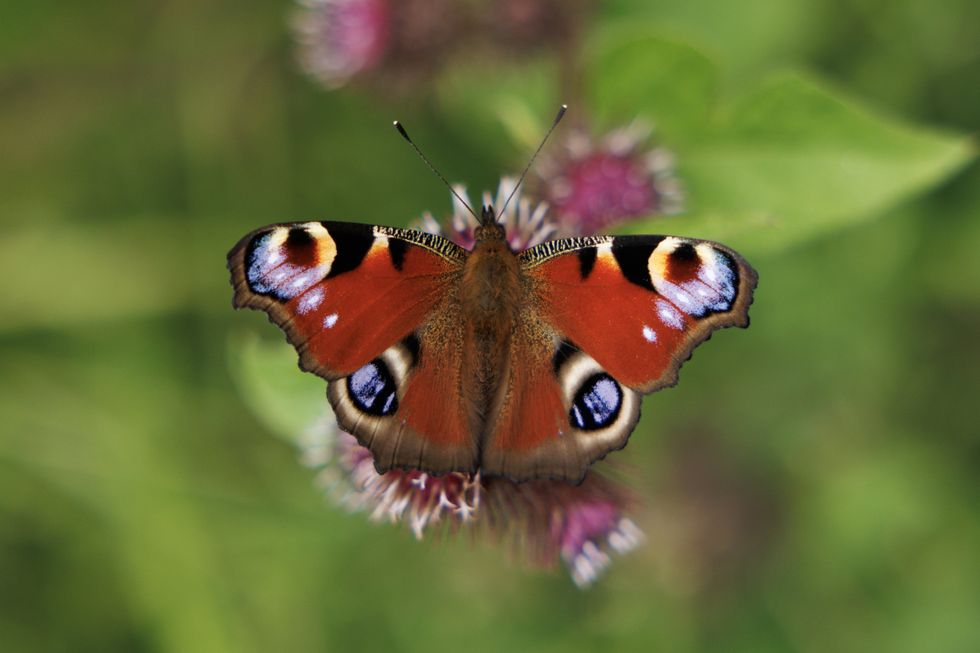
Professor Richard Fox, head of science at Butterfly Conservation, described the findings as “damning”.
“Just as we have lost family-run shops and traditional skills from the nation's high streets, so we've lost variety and diversity in the butterfly communities that can exist in our damaged and simplified landscapes,” he said.
However, not all species are declining, with 25 showing population growth over the same period.
The red admiral, once a summer visitor, now lives in the UK year-round, with numbers rising by 330 per cent since 1976.
BRITAIN'S WILDLIFE - READ THE LATEST:
- Golden eagles to make sensational comeback to England after nearly 200 years
- Britons urged to ‘completely avoid’ eating cod as population plummets to critically low levels
- Council refuses permission for new homes after discovering one of Britain's rarest bat species
The most dramatic recovery has been seen in the large blue, which has increased by 1,866 per cent since 1983 following successful reintroduction after being declared extinct in Britain.
Targeted conservation efforts have also helped the silver-studded blue and black hairstreak recover.
Scientists said species able to adapt to a wider range of habitats have fared better, with some expanding into new areas.
However, experts warned last year’s figures highlighted the scale of the crisis.
Despite the UK recording its sunniest year on record, butterfly numbers were only average overall.
“Last year should have been amazing for butterflies, however we were not treated to a bumper butterfly year - indeed over one third of species had below average numbers,” Professor Fox said.
He added that while weather cannot be controlled, habitat restoration remains critical, particularly for struggling species such as the high brown fritillary, northern brown argus and Duke of Burgundy.
Dr Marc Botham, butterfly ecologist at the UK Centre for Ecology and Hydrology, said: "Butterfly numbers naturally fluctuate from year to year depending on the weather, which is why the UK Butterfly Monitoring Scheme is so important.
"This invaluable long-term dataset, based on surveys by dedicated volunteers, enables scientists to assess what is actually happening in the countryside over time."
Our Standards: The GB News Editorial Charter
What's Your Reaction?
 Like
0
Like
0
 Dislike
0
Dislike
0
 Love
0
Love
0
 Funny
0
Funny
0
 Angry
0
Angry
0
 Sad
0
Sad
0
 Wow
0
Wow
0