

















British oil and gas giant pulls out of North Sea thanks to soaring taxes
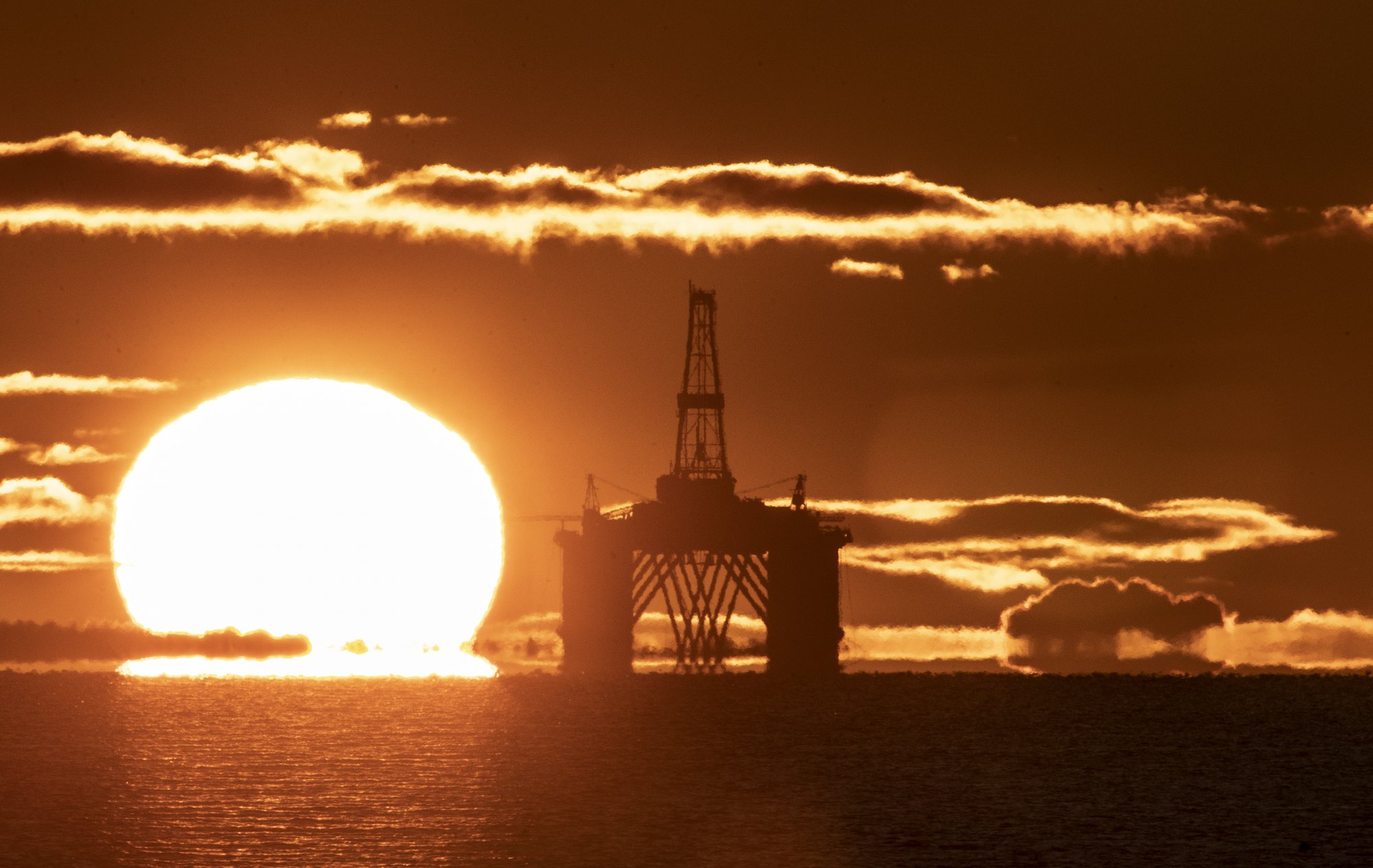
One of Britain's biggest oil and gas firms is pulling out of the North Sea, blaming high taxes and "an uncertain investment environment".
EnQuest, which has operated in the North Sea since 2010, is selling its UK offshore assets and looking to more lucrative markets in South East Asia.
Industry leaders criticised Britain's "punitive tax regime" and said the move must act as a "wake-up call for the UK Government".
“This is exactly what we have warned would happen all along," said Russell Borthwick, Chief Executive of the Aberdeen & Grampian Chamber of Commerce.
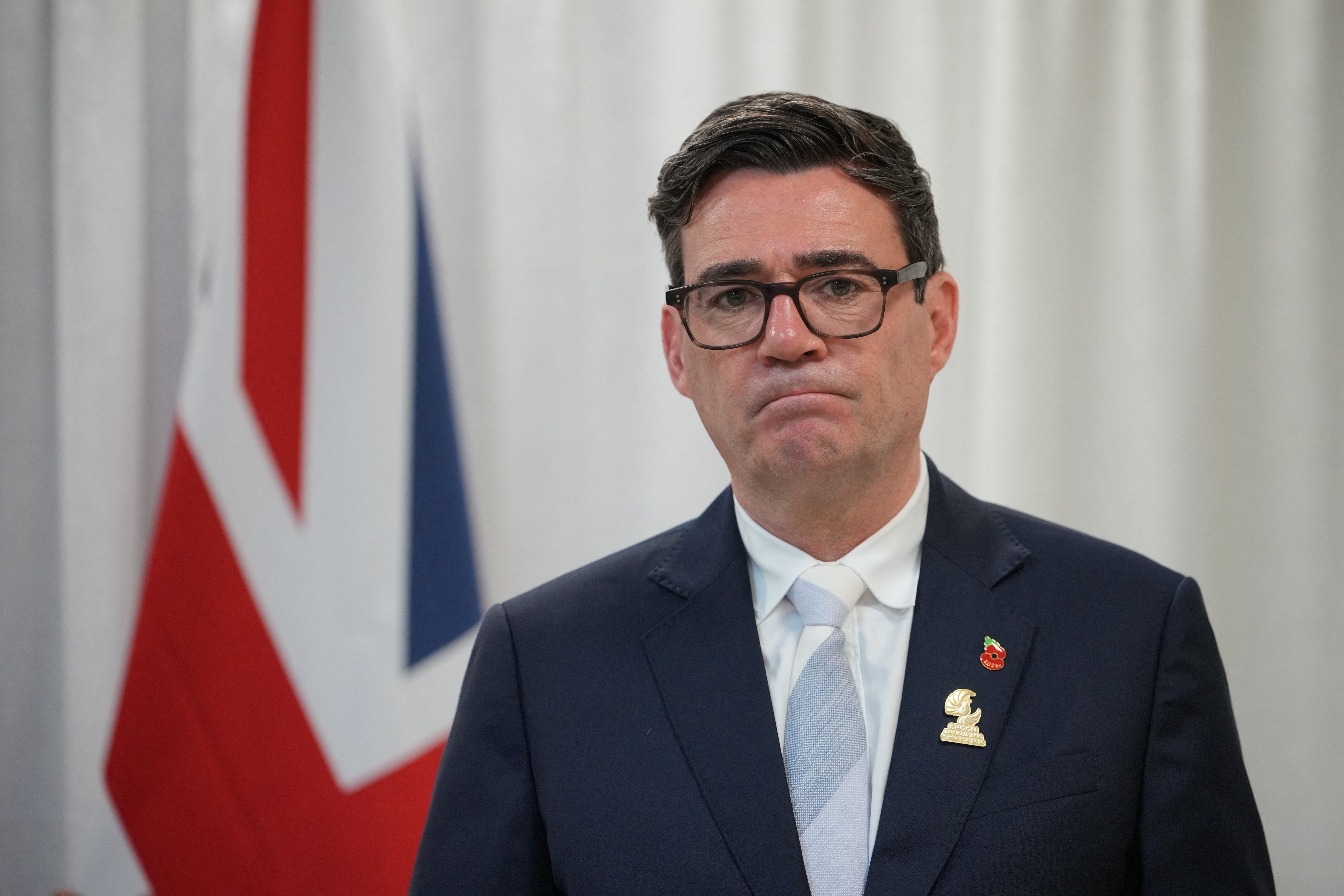
Shadow energy secretary Andrew Bowie said Labour's policies amounted to hanging a "closed for business" sign over the offshore oil and gas sector.
The move comes after BP put its North Sea assets up for sale in the summer after 60 years of production. A raft of other firms have either sold, merged or cut back their operations in the basin.
EnQuest announced this morning that it was selling its North Sea assets to NEO NEXT+ for up to £730million.
It said its decision follows an increasing pivot away from Britain “in response to an uncertain investment environment within the UK”, where energy firms have also seen taxes rise in recent years.

Offshore experts have long warned that harsh oil and gas policies would drive investment away from the North Sea, which has powered the UK for decades.
Under Labour, all new exploration licences have been banned. Calls to reform the Energy Profits Levy, or windfall tax, in this year's Budget went unheeded.
North Sea producers currently face a headline tax of 78 per cent of all profits, with the EPL likely to stay in place until 2030.
EnQuest said that, in the year to December 2025, its British operations generated a £1.5million loss after tax.
LATEST DEVELOPMENTS
- Labour donor Dale Vince hints he will fund legal challenge against Rosebank oil field in North Sea
- Britain's high streets have to put up with soaring energy costs for rest of the DECADE, analysis shows
- Labour REJECTS one of Europe's largest solar farm at Winston Churchill's birthplace
That included a £94 million accounting charge, reflecting the future tax impact of the windfall levy lasting until 2030.
The company said the North Sea had become a "high-tax, low-return basin" and revealed it had been looking at opportunities in South East Asia because of UK policies.
It said: " In recent years, in response to an uncertain investment environment within the UK, EnQuest has established a growing opportunity set in South East Asia, where the Group sees greater potential to deploy capital, build scale and deliver sustainable long-term growth.
"This changing balance of opportunity has informed EnQuest’s decision to reshape its portfolio and increase its strategic focus on the region, recycling invested capital from a high-tax, low-return basin into a high-growth region that is structurally short on energy."

Chief Executive Amjad Bseisu said: “From our genesis as a UK North Sea oil and gas specialist, and following many years of investment and top-quartile operational delivery in the UK North Sea, we are executing on our strategy to maximise value from our UK business at an attractive valuation."
There were "compelling opportunities" to invest in Asia, he said, explaining: "The resulting business will have a materially lower cost base and significantly enhanced balance sheet strength."
He added: "We are immensely proud of what our teams have achieved in the UK and believe that NEO NEXT+’s combination of scale and track record as a leading North Sea operator, and diverse asset portfolio will enhance career opportunities for our people."
EnQuest produced the equivalent of 31,000 barrels of oil a day last year. Staff supporting its UK operations will transfer to the new owner.
Shadow energy secretary Andrew Bowie said: “The devastating news that EnQuest are withdrawing from the UK is the latest sign that this Government’s policies on oil and gas are hanging a ‘closed for business’ sign over the North Sea.
“In the midst of an energy crisis, this Labour Government are choosing to ban licences and maintain an extended and increased windfall tax.
“We need change and we need it now. Jobs are being lost. Revenue surrendered. Our energy security undermined. We need to open the North Sea. Abolish the windfall tax. Scrap the ban on licences and get Britain drilling.”
Mr Borthwick said that the government had been repeatedly warned that investors would turn their back on Britain's offshore industry under the current operating conditions. More would follow without change, he said.
He said: "The UK’s punitive tax regime is driving investment, jobs and economic opportunity out of the North Sea and into other parts of the world.
“EnQuest could hardly be clearer about its reasons for leaving. It is moving capital away from what it describes as a ‘high-tax, low-return basin’ to invest in countries where it sees greater opportunities for growth. This is a growing trend and should be a wake-up call for the UK Government.
“We have repeatedly warned that maintaining the Energy Profits Levy until 2030 would have devastating consequences for our domestic energy industry. Today's announcement is further evidence of the damage being done.
“The Prime Minister has spoken about taking a pragmatic approach to the North Sea. Now is the time to turn those words into action. We need an early end to the Energy Profits Levy and the introduction of a permanent, predictable replacement regime from April 2027.
“Britain still has enormous energy resources, world-class companies and a highly skilled workforce.
"But none of that can be taken for granted. Unless we restore confidence and competitiveness, more investment will go overseas, and the jobs and economic benefits will go with it.”
A government spokesman said: "The North Sea remains a vital national asset.
“Oil and gas will continue to play an important role in our energy system for decades to come, as we continue our transition to clean power to protect jobs and tackle the climate crisis.
“We’re giving the sector and its investors the long-term certainty to plan, invest and support jobs with plans to replace the Energy Profits Levy when it ends by 2030, or earlier if its price floor is triggered.”
Our Standards: The GB News Editorial Charter
What's Your Reaction?
 Like
0
 Dislike
0
 Love
0
 Funny
0
 Angry
0
 Sad
0
 Wow
0