












Britons likely to turn their heating this winter, report warns, as gas bills surge once again
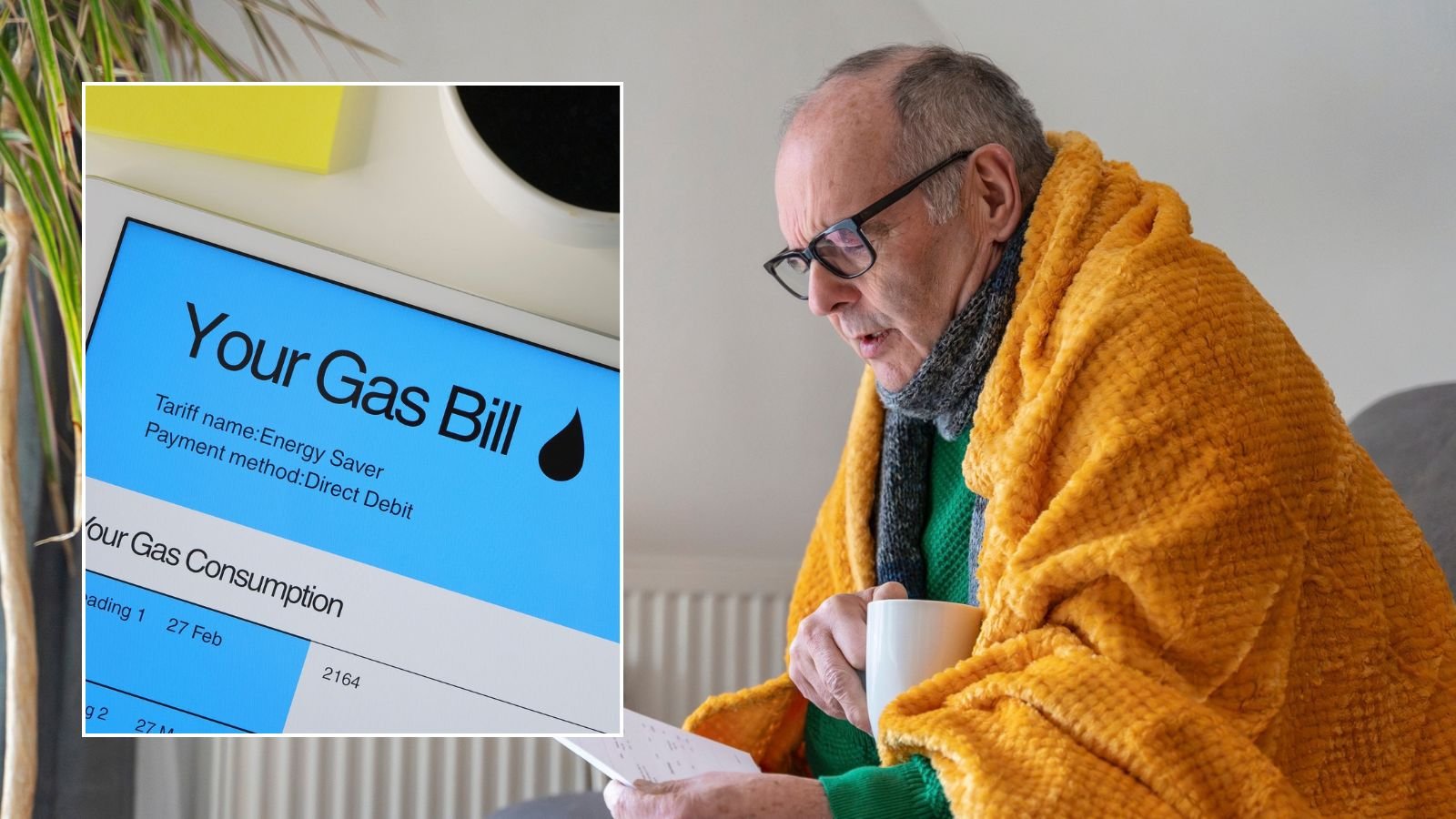
Seven in ten people are likely to turn down their heating this winter, with gas bills more than twice as high as before the Ukraine invasion, a report warns.
With the Iran conflict driving up oil prices, the latest Ofgem price cap, due to be announced this morning, is expected to show a £443 increase on average annual energy bills.
Polling showed that 72 per cent of Brits said the effects of the Iran war had made a significant impact on their household budgets, including fuel and energy bills. A third (34 per cent) said the impact was "very significant".
More than two thirds (69 per cent) said they were considering turning down the home heating to help with bills and 72 per cent said they would be likely to reduce their use of electricity, according to the Verian poll, conducted for the European Climate Foundation.
Think tank the Energy and Climate Intelligence Unit predicted that this winter would see bills far higher than those before the Ukraine invasion.
The average home faces bills of around £1,360 between October and March – about £680 more than before the Russian attack in 2022.
Even the most efficient homes face paying around £530 more for gas and electricity than five years ago, while the least efficient could see a rise of around £830. This could mean the least well off being hardest hit, it said.
The current increases are driven by gas volatility sparked by the war in Iran, the ECIU says.

Gas bills are expected to be around 2.2 times their level before the Russian invasion, compared with 1.8 times for electricity. The ECIU says increased renewable generation has helped cushion electricity costs from wholesale gas prices.
But it warns that while electrification is the route to cheaper prices, recent government policies, including scaling down funding for heat pumps, would prove counter-productive.
ECIU energy analyst Jess Ralston said the UK was still paying for its dependence on gas, years after the invasion.
She said: "The biggest increases in energy bills this year are still being driven by the price of gas – a price that will always be outside the UK’s control - while electricity costs will again be partly cushioned by the growth of renewables on our grid.
LATEST DEVELOPMENTS
- Millions could cut energy bills by £784 a year with 15 simple changes around the home
- HMRC to make major change for 3.5 million taxpayers in just months - all you need to know
- Major supermarket to give £15,000 to British farmers who kept the nation fed through a tough harvest

"As we head into the sixth winter of skyrocketing energy bills, we still don’t seem to have learned the lesson that the only way to avoid spiking heating bills for good is to switch gas boilers for electric heat pumps."
She said those facing the highest bills "will once again be those who can least afford it".
Separate research by charity End Fuel Poverty Coalition suggested that around 40 per cent of households were struggling with energy bills. Among those already in debt, one in five skip meals or use food banks to keep up with energy costs.
A quarter of those already in energy debt have turned to loan sharks to make payments, it said.
Simon Francis, coordinator of the End Fuel Poverty Coalition, said: "Households are set to pay more for gas than ever before with changes coming in the depths of winter. For millions of people that equals cold homes, mounting debt and having to make impossible choices.
"The Government should be investing more in helping households get off gas for good and ending our exposure to these volatile prices, and it is not too late for ministers to also take action that would make a difference this winter."
Although the UK Government announced a £100 household energy payment for up to 20 million households, Citizens Advice said this will cover “less than two weeks’ worth” of energy usage for most this winter.
Prime Minister Andy Burnham has also temporarily removed VAT from domestic electricity prices.
Energy UK's deputy director of policy, Ned Hammond, warned that high prices could extend into next year.
He said: "It may be tricky for these affordability concerns; they are unlikely to disappear just after those three months of the winter period."
The trade association expects the level of fuel debt to hit £6 billion by the end of the year. If prices stay high, a further billion could be added next year, he said.
A spokeswoman for the Department for Energy Security and Net Zero said: “We know rising energy prices are putting pressure on families, which is why we have taken immediate action to give people breathing space, with extra support for those who are struggling the most.
“From January, up to 20 million households will receive £100 towards their energy costs, with support reaching the vast majority of low-income households.
"Around six million of these will also receive the £150 Warm Home Discount, on top of our cut to VAT on all households' electricity bills."
Our Standards: The GB News Editorial Charter
What's Your Reaction?
 Like
0
 Dislike
0
 Love
0
 Funny
0
 Angry
0
 Sad
0
 Wow
0