



















Economy faces US-Iran war 'shock' as consumer spending forecast to plummet

British households face a dramatic slowdown in spending power this year as the economic fallout from the Iran conflict ripples through the economy, a major new analysis has warned.
According to EY's latest economic outlook, growth in consumer spending across the UK is forecast to virtually grind to a halt in 2026, with projections showing a mere 0.3 per cent increase.
This represents a significant downgrade from the 0.9 per cent expansion anticipated before hostilities erupted in the Middle East.
The Big Four financial services giant said the inflationary surge triggered by the war would squeeze household budgets severely.
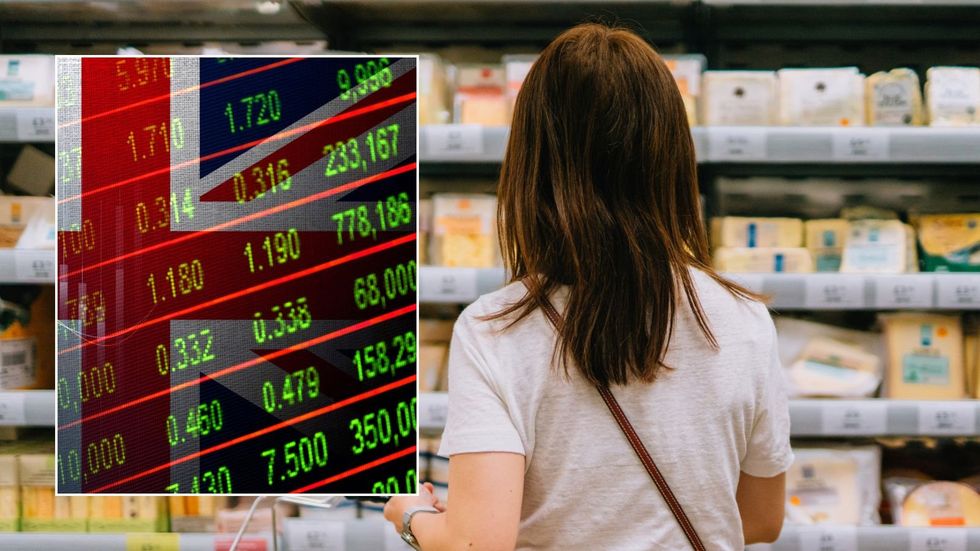
Non-essential purchases are expected to bear the heaviest burden, with businesses serving consumers directly set to feel the pinch most acutely.
The consultancy's central forecast puts overall economic output growth at just 0.8 per cent for the year, a marked reduction from the 1.3 per cent trajectory the country had been following prior to the conflict.
EY anticipates a modest recovery to 1.2 per cent growth in 2027, though this still falls short of the 1.4 per cent previously expected.
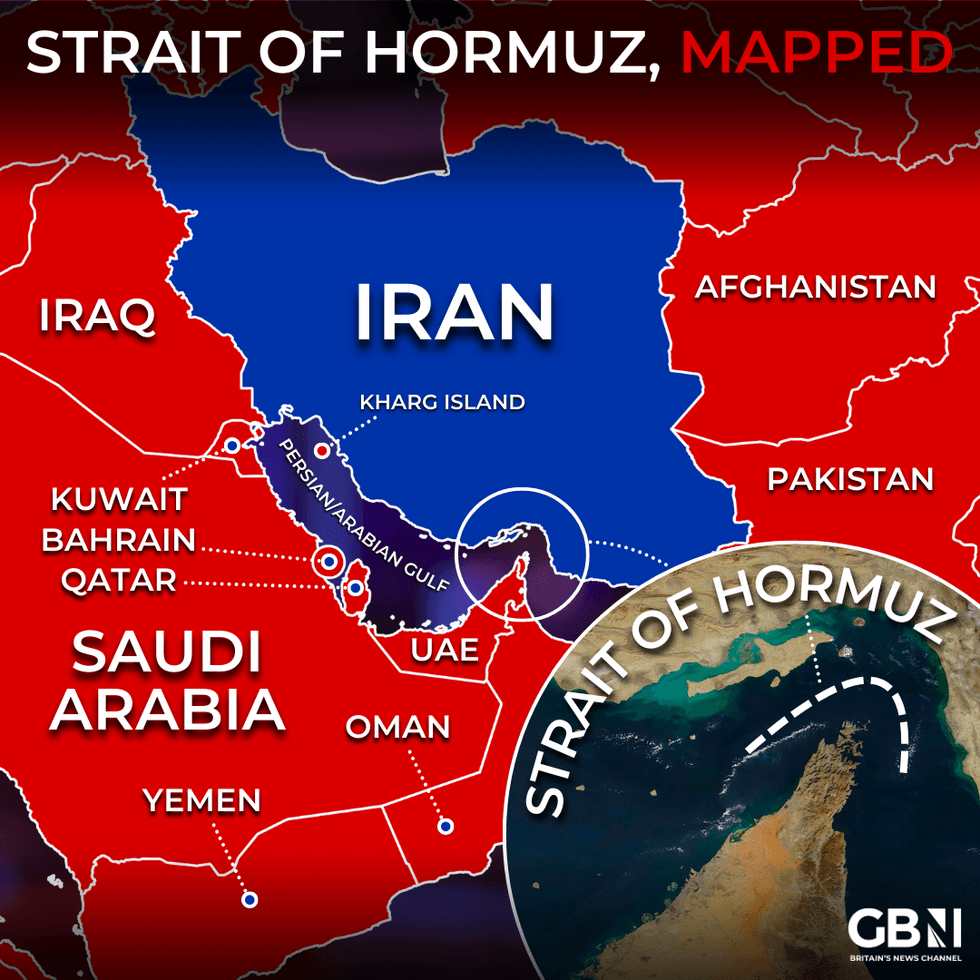
The outlook could deteriorate further still, with growth potentially slumping to a mere 0.3% should the Iran war intensify and the strategically vital Strait of Hormuz shipping lane remain blocked throughout the remainder of 2026.
LATEST DEVELOPMENTS
- Iconic restaurant chain with 150 sites announces major closure update
- Cadbury confirms new chocolate bar will hit UK supermarkets this year
- Keir Starmer announces plans to renationalise British Steel
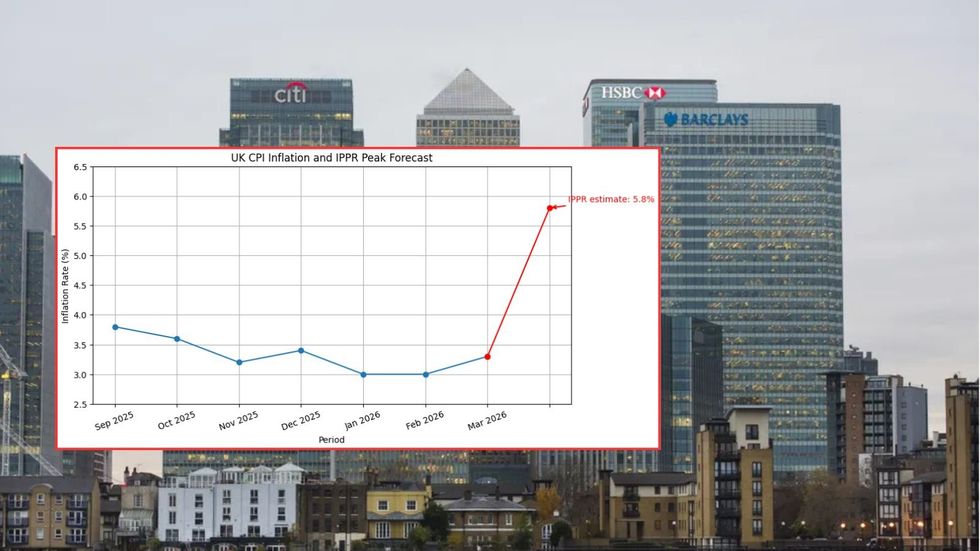
Price rises are projected to reach four per cent by year's end under the baseline scenario, which EY believes will prompt the Bank of England to maintain interest rates at 3.75 per cent for the duration of 2026.
Furthermore, the jobless rate is forecast to climb to 5.8 per cent as weakening growth dampens recruitment.
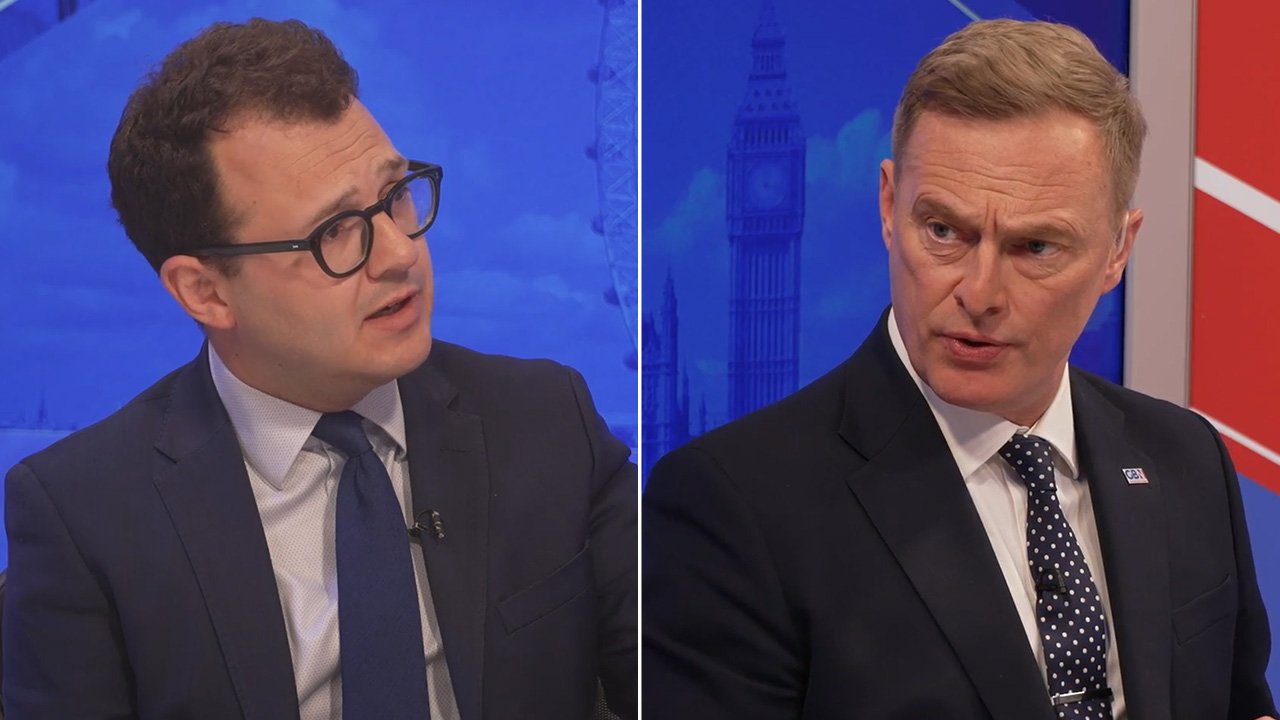
Peter Arnold, EY's UK chief economist, said: "Despite a relatively strong start to 2026, the conflict in the Middle East means the UK economy is once again being shaped by external shocks and on track for another year of subdued growth."
He warned that constraints on energy supplies would drive prices higher and postpone any reduction in borrowing costs, forcing some firms to reconsider their investment plans.
Mr Arnold added: "Cautious levels of consumer spending seen since the pandemic also now appear more structural than temporary, with all income groups reallocating household spending towards savings and essentials and away from discretionary spending."
This shift poses particular concern for sectors reliant on consumer spending, he noted, with ongoing global instability and rising inflation likely to compound the problem.
The energy price shock is set to inflict lasting damage across multiple sectors of the British economy over the coming decade. Heavy manufacturing faces the steepest decline, with output projected to fall by 2.2 per cent as businesses pivot away from energy-intensive operations.
Energy utilities are expected to suffer a 1.8 per cent reduction in economic output during the same period under EY's forecasts. Consumer-facing industries, including retail, hospitality, and events will see long-term growth reduced by 0.3 per cent.
Our Standards: The GB News Editorial Charter
What's Your Reaction?
 Like
0
Like
0
 Dislike
0
Dislike
0
 Love
0
Love
0
 Funny
0
Funny
0
 Angry
0
Angry
0
 Sad
0
Sad
0
 Wow
0
Wow
0