




















Fears Isle of Wight could be cut off from mainland Britain amid soaring ferry prices: 'Not fair!'
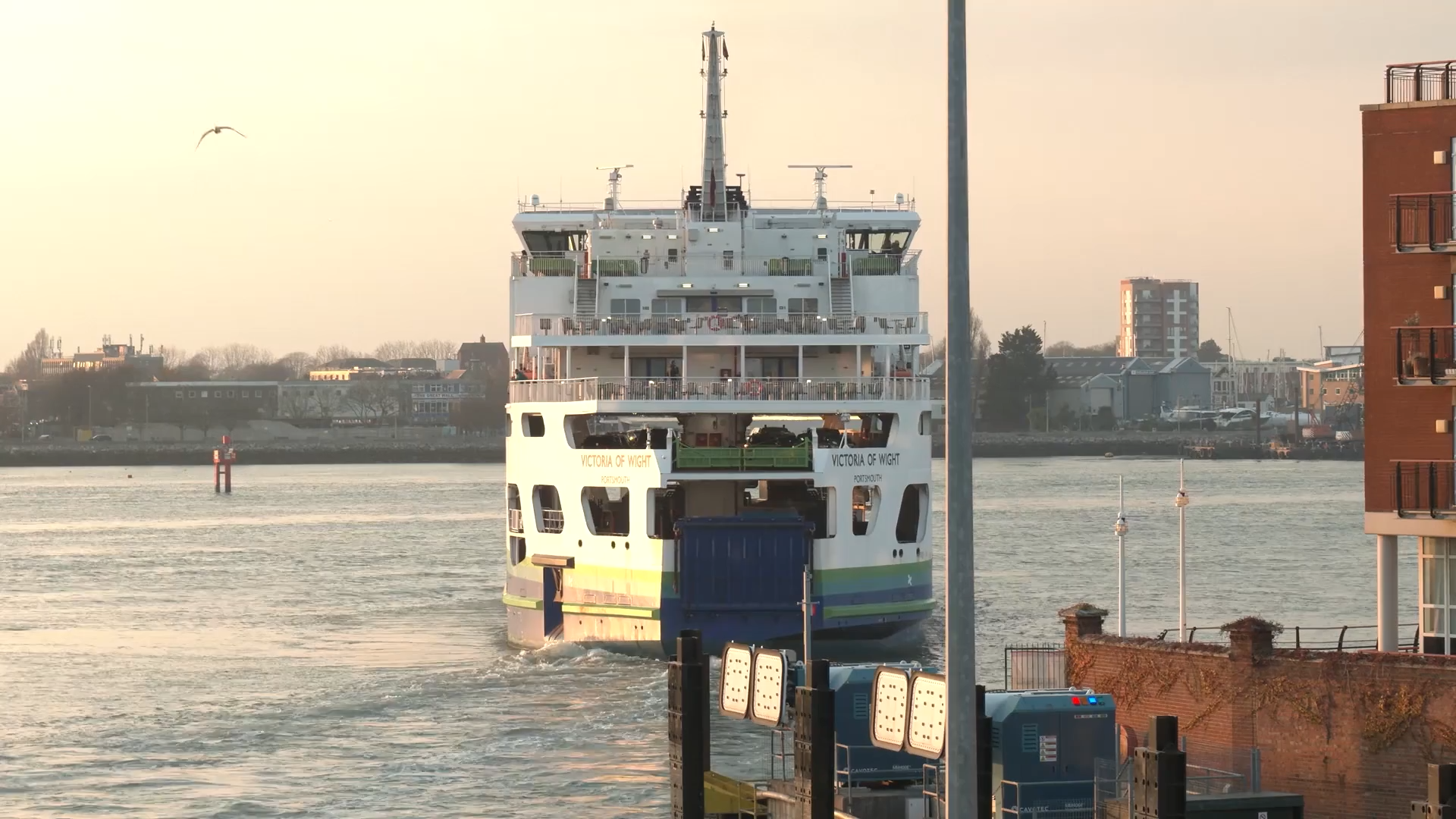
Isle of Wight residents have warned they are being priced off the mainland as ferry fares soar, with some reporting return journeys costing hundreds of pounds and calls growing for government intervention.
Those on the island have warned they risk being cut off from the mainland as soaring ferry prices make essential journeys increasingly unaffordable.
With no bridge or alternative road link connecting the island to mainland Britain, ferries remain the only way for motorists to cross the Solent.
But growing concerns over the cost of crossings have prompted calls for tighter regulation, with campaigners warning that some residents are struggling to afford travel for work, healthcare and to visit friends and family.
A report by Transport for the South East in 2025 found ferry prices increased by 80 per cent between 2013 and 2023, which is double the rate of inflation.
During particularly busy periods, including the Isle of Wight Festival and Cowes Week, residents have reported vehicle ferry fares reaching as much as £500.
Speaking to GB News, one island resident described the prices as "totally not fair" for people living on the island.
They said: "It costs a senior person that's over 60 just as a day return for six hours, £30. Throughout the year, it increases. So in the summer you can be paying something like £200 to £300 a return just by taking your car over. No, the prices aren't fair for people who live on the island."

Asked whether the rising costs made them feel stranded, the resident said those unable to afford the crossings effectively had no choice but to remain on the island.
Another resident, who had recently moved from the mainland, described the pricing structure as confusing and difficult to navigate.
They said they had paid around £160 for a return journey with their car over the course of a week.
They explained: "The pricing strategies are really confusing. Sometimes it's cheaper to buy two-day returns instead of a long-term return. It's not easy to get a good price."
LATEST DEVELOPMENTS
- Chaos as London Underground drivers launch 24-hour strike amid dispute over four-day working week
- Ryanair workers face pay freeze as Michael O’Leary hits out at Labour Budget
- Union leads calls for abusive passengers to be banned from ALL airports entirely

For others, the costs are affecting family relationships.
One islander said their two children, who live in Bath and Cheshire, were visiting less frequently because of the expense.
They explained buying books of ferry tickets could bring down the cost, but required an upfront payment of around £2,000.
Even with the discounted tickets, they said a return crossing could now cost approximately £86.
The concerns have prompted campaigners, community groups and local politicians to push for greater oversight of ferry operators.
During his first appearance in the House of Commons as Prime Minister, Prime Minister Andy Burnham told Isle of Wight East MP Joe Robertson he would seriously consider powers to cap ferry fares.
Mr Robertson told the People's Channel crossings were essential for islanders, particularly because many services were unavailable locally.
He said residents needed to travel for employment, healthcare and to maintain family relationships, while the island's economy also depended heavily on tourism.
"The more expensive you make it to get to a place, any place, obviously the detriment is felt by the local population," he said.
Mr Robertson argued ferry companies serving the island were privately owned and operated without the kind of regulation seen across other forms of public transport.
He said: "We want the ferry companies to do the right thing and reduce their prices. They haven't so far. I see no indication they're going to do that. So the only opportunity is to create regulation, to create rules that say, this is the maximum you can charge for taking someone across this bit of water."
The MP also raised concerns about what he described as a reduction in the number of ferry crossings over the past 10 to 15 years.
Hampshire Police and Crime Commissioner Donna Jones also outlined a possible approach to tackling the issue.
She pointed to the Isle of Wight's first directly elected mayoral election, scheduled for May 2028, suggesting the new mayor could use powers under the English devolution legislation to seek greater control over crossings.
Ms Jones said the mayor should have the ability to request licensing powers over transport services crossing the Solent.
She suggested operators could face restrictions if fares increased above inflation, potentially allowing a licence to be withdrawn and awarded to another provider.
She said: "If the prices go up over inflation year on year, the mayor should have the ability to take away that licence, to stop the ability for them to do that and to give the contract to someone else."
However, ferry operators have defended their fares, pointing to rising operating costs, investment in infrastructure and discounts aimed at island residents.
Wightlink, which operates services from Portsmouth, told Britain's News Channel the average fare paid by an Isle of Wight resident travelling with a vehicle was £42 per leg.
Chief Executive Katie Taylor said the company recognised its responsibility to islanders, describing its services as a lifeline as well as an important part of the island's tourism industry.
She said the average fare paid by holidaymakers travelling to the island was £68.
Ms Taylor said: "We do provide different prices for people who live on the island, because we recognise it's also a lifeline service, as well as inviting people across to the island who are tourists. We also want to support people who live on the island."
She added fares had risen in line with inflation in recent years, pointing to increasing business rates, National Insurance and fuel costs.
Ms Taylor said the company had no intention of introducing a fuel surcharge at present and was working to manage its costs.
Addressing concerns that some islanders felt unable to afford mainland travel, she said Wightlink regularly engaged with customers and local stakeholders.
The company has introduced several offers, including its Sunset Flyer evening ticket, Kids Go Free during school holidays and a proposed Christmas shopping discount for foot passengers.
Ms Taylor said Wightlink was also working with businesses and the council to explore ways of helping residents who were struggling financially.
Red Funnel, the ferry company that operates from Southampton, also defended its pricing, providing further figures on the cost of vehicle crossings.
The company said the average price paid for a private vehicle return journey originating on the Isle of Wight was £75.66, including all occupants.
It added just 0.26 per cent of bookings, 254 in total, cost more than £200.
A Red Funnel spokesman said: "As a lifeline service for the Isle of Wight, Red Funnel recognises the importance of keeping travel affordable and provides a range of fares, discounts and concessions for Island residents throughout the year."
Meanwhile, Hovertravel said it believed any scrutiny of ferry fares needed to take account of the different ways passengers could access services, including advance purchase tickets and discounts for eligible customers.
It said in a statement: "Any meaningful scrutiny of fares should take account of the different ways passengers can access the service, including advance purchase fares and discounts for those who qualify, to provide a fair and representative picture of the cost of travel. Operating maritime services brings significant challenges, with rising costs, ongoing vessel maintenance, infrastructure investment and regulatory requirements all contributing to the pressures faced by operators. Their contribution, however, goes far beyond providing scheduled transport. From assisting with emergency rescues and supporting local community initiatives to providing urgent transport for critically ill patients on behalf of the NHS, operators play an important role in the wider Solent community. This lifeline work relies on the expertise, dedication and professionalism of the teams who work hard every day to keep these essential connections operating."
Our Standards: The GB News Editorial Charter
What's Your Reaction?
 Like
0
 Dislike
0
 Love
0
 Funny
0
 Angry
0
 Sad
0
 Wow
0