




















'Labour's not listening!' British ceramics in fight for survival as centuries-old sector faces 'existential' crisis
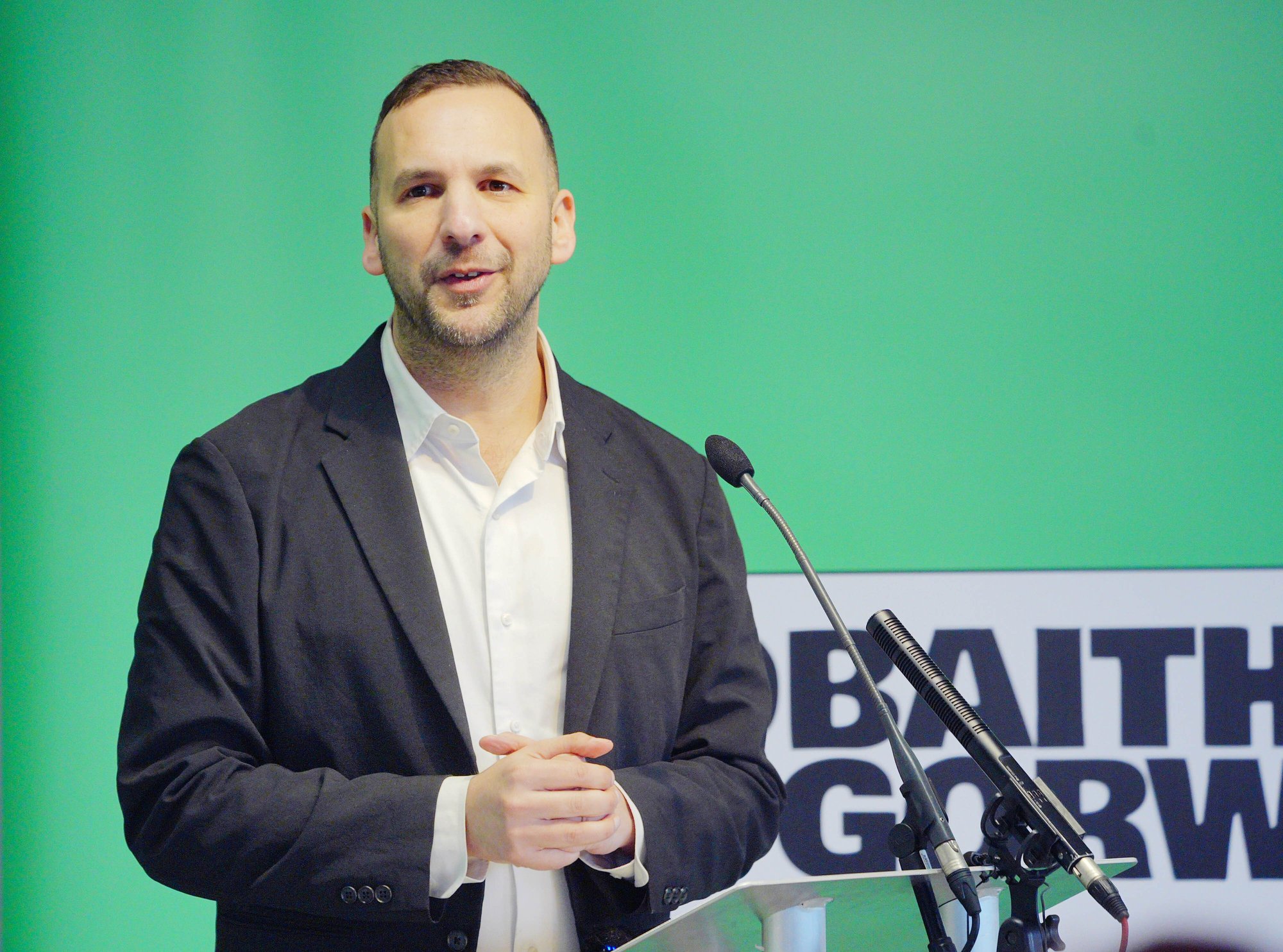
“We have got some of the best quality products in the world - give us a fighting chance and we’ll do the rest.”
Tim Evans, sales director at precision ceramics firm Mantec, is adamant he is not after handouts.
Mantec’s products, produced by a highly skilled local workforce, speak for themselves. There is no shortage of orders - but the energy bills are crippling.
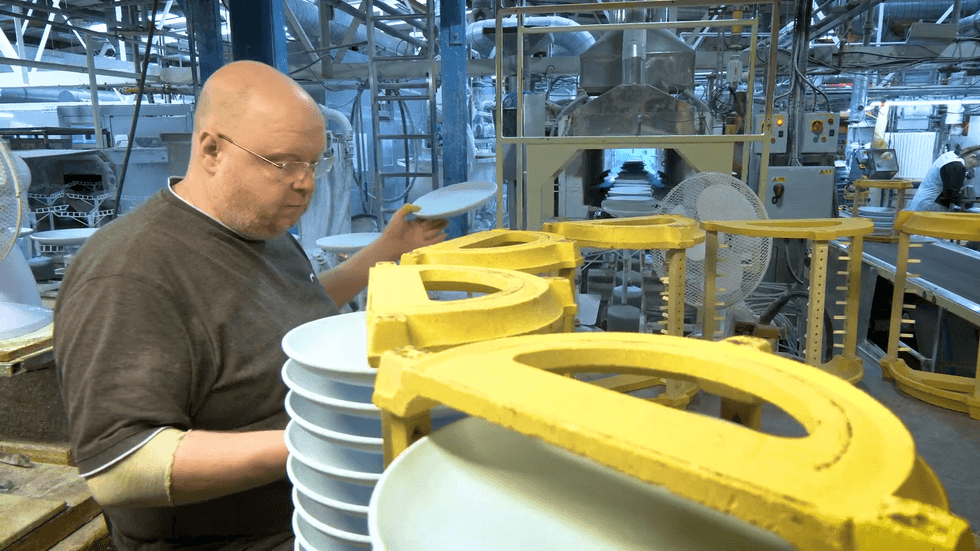
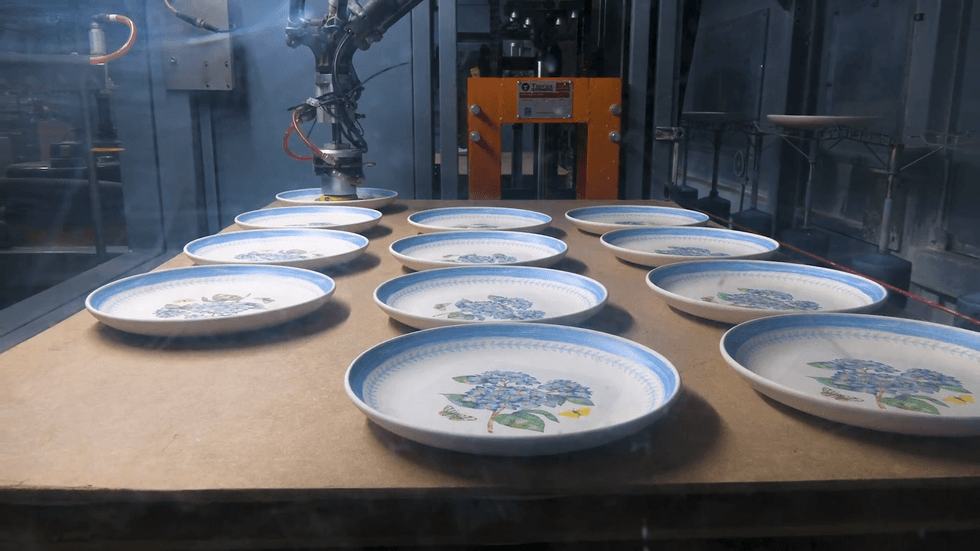
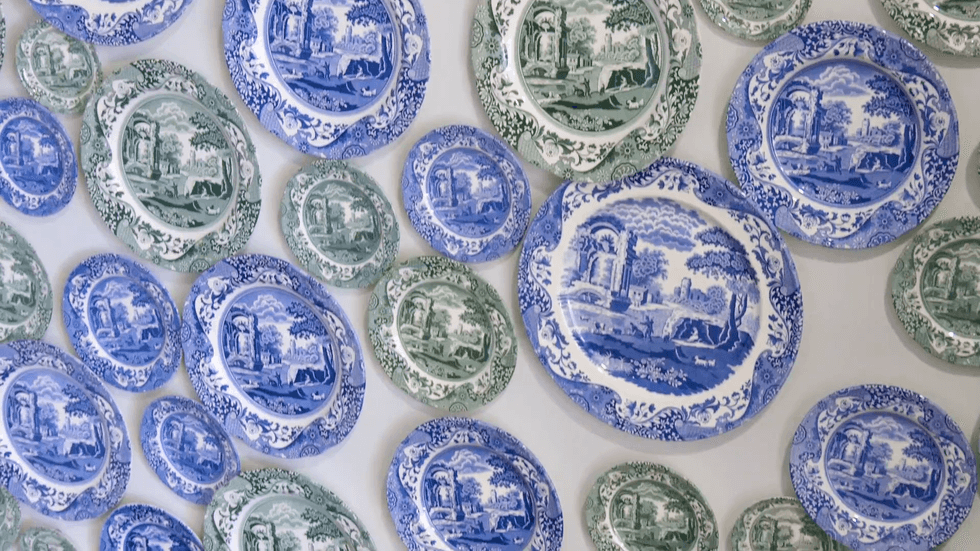
It’s a similar story from Mike Raybould, chief executive at nearby Portmeirion Group. Their tableware is prized around the world and two-thirds of what rolls off the production line is destined for overseas.
He’d like to expand the company; the space is there, and he has a city full of skilled workers. But sky-high energy bills are holding him back.
“It’s not just that they are much higher than they used to be,” Mr Raybould explains.
“They are much higher than pretty much any other country in the world.
“We don’t want to be subsidised. We just want a level playing field on energy costs.”
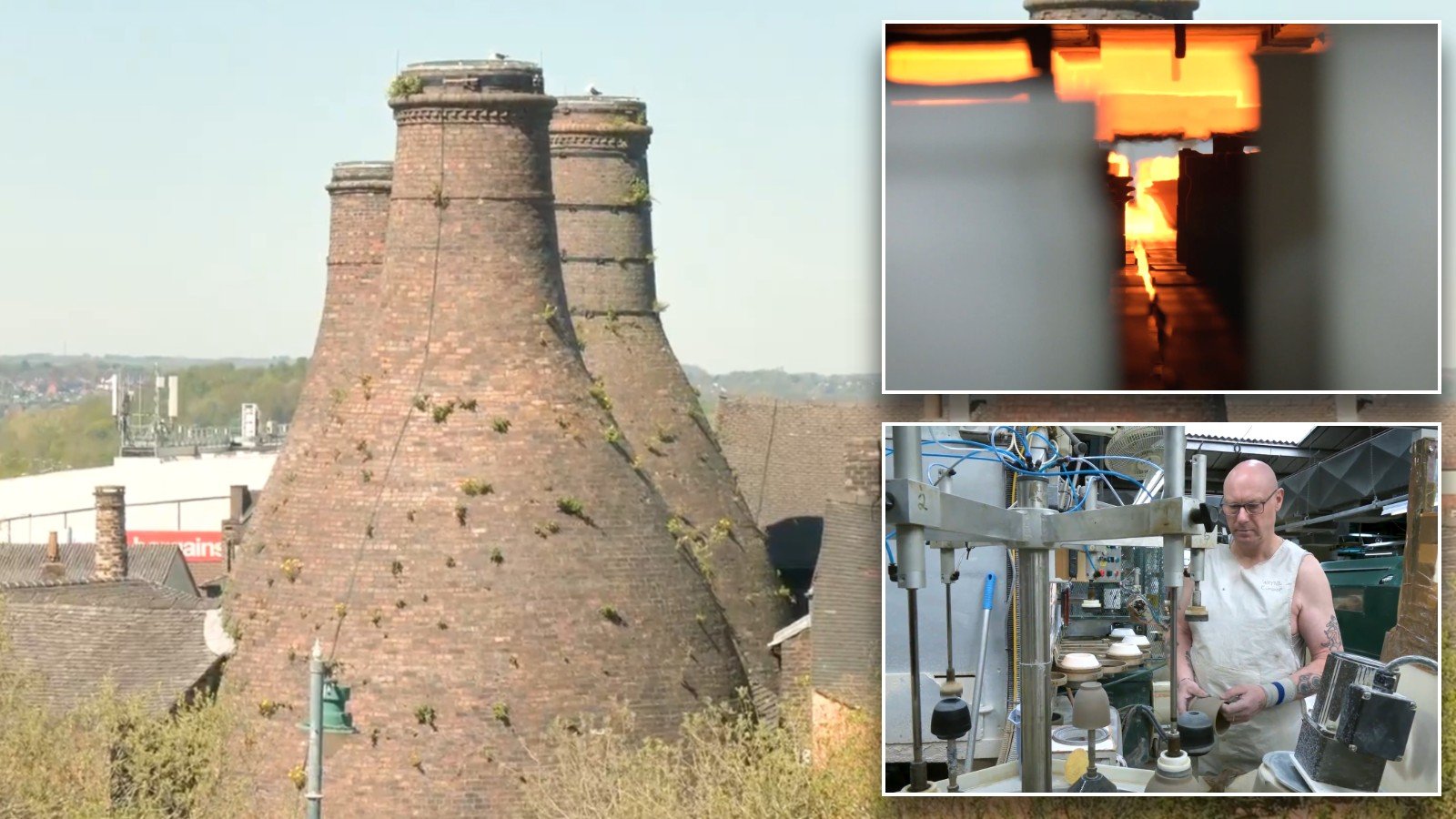
The factories are both in Stoke-on-Trent, the spiritual home of the ceramics business since the Industrial Revolution.
The wider sector is worth £2billion to the British economy, employs 22,000 people and stretches from Scotland to the Cornish coast.
But the industry is in crisis, with troubles mounting as costs soar. In March, world-renowned Denby Pottery, founded in 1809, entered administration.
Insiders fear the situation is becoming ‘existential’.
Because, to produce the high-quality products both Mr Evans and Mr Raybould pride themselves on, requires energy – lots of it. And that is becoming an expensive affair.
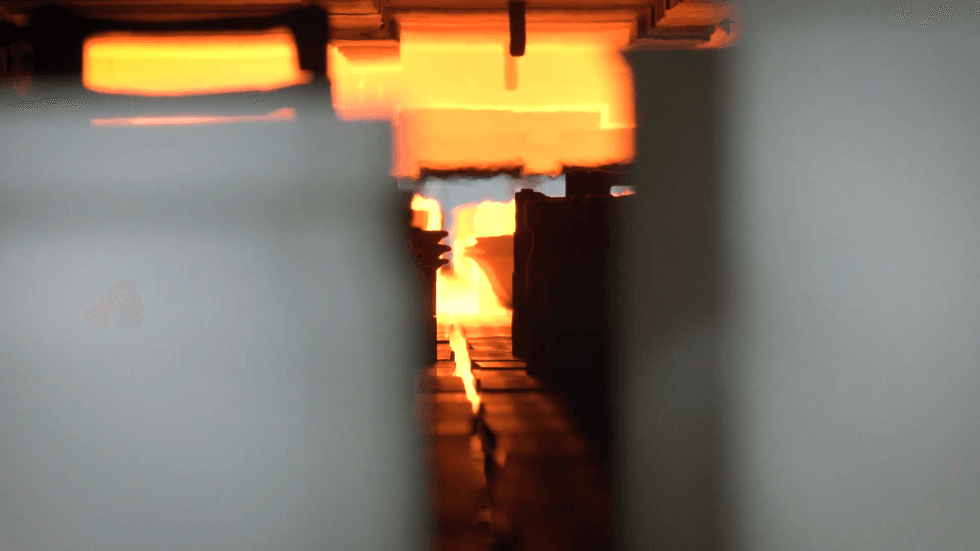
The kilns need to reach temperatures higher than 1,000C, sometimes for days at a time.
LATEST DEVELOPMENTS:
- Bank of England issues warning to anyone with a mortgage as interest rates to rise SIX times
- Net Zero advocates MUST tell 'unpalatable truth' moving to renewables comes at cost, economist warns
- Thousands of North Sea oil jobs lost in just one year, damning new figures show
Although efforts are being made to electrify the sector, in line with UK Net Zero targets, the technology is not yet there and it remains 80 per cent dependent on gas.
This creates two problems.
It leaves manufacturers facing higher wholesale costs for gas, with the war in Iran sending prices soaring.
It has also meant that most of the sector has been excluded from Government support schemes.
This is because they are targeted at industries that use largely electricity, leaving ceramics – which would benefit hugely from discounted bills – overlooked.
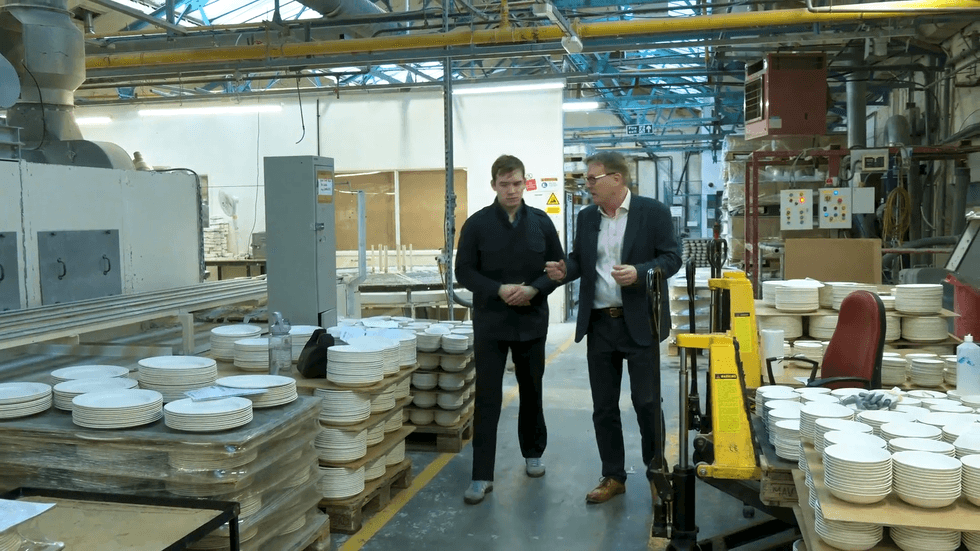
Mr Raybould has made repeated attempts to be included on the Government’s British Industry Supercharger scheme, which would see a quarter slashed off electricity bills.
All have been rebuffed. As he shows us around Portmeirion’s immaculate factory, his frustration shows.
“It’s very hard to understand,” he says.
“The people who work in this factory, they don’t understand why this community doesn’t matter to the Government, why we can’t be included in that scheme.”
The community plays a huge part in Portmeirion’s story.
Many of its 500-plus workforce live locally. Many come from a ‘potteries’ family.
One has worked at the factory, just a short stroll from the town centre, for more than half a century.
The skills required to make Portmeirion quality take years to acquire.
But if the energy situation continues and no support is forthcoming, this specialist knowledge could be lost, Mr Raybould fears.
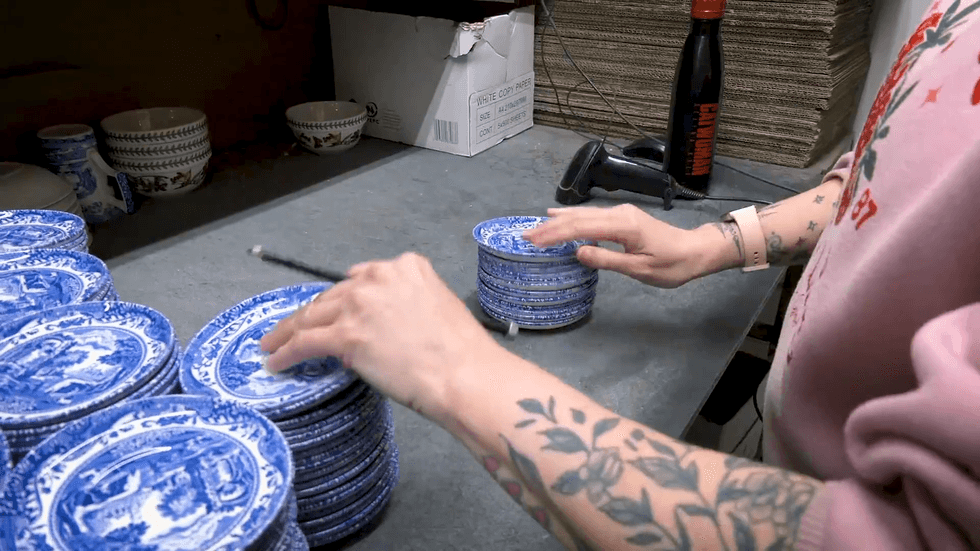
“We are really proud to make these products here, and it’s particularly important we make them here in the UK, because the quality is so good,” he says.
“Made in Stoke-on-Trent is something, that anywhere in the world, people look out for in terms of a seal of approval, quality and authenticity.
“The people who work here are incredibly skilled. They have taken their life to learn those skills. If we lose those skills then we won’t get them back as a country.
“We won’t get them back because people need to train to do this job, then they tend to do this job for 10, 20, 30 years. That’s why we end up with such a high-quality product.
“We have had the skills in this country for 250 years. You can’t separate Stoke-on-Trent from the ceramics industry, the two go together, hand in glove.”
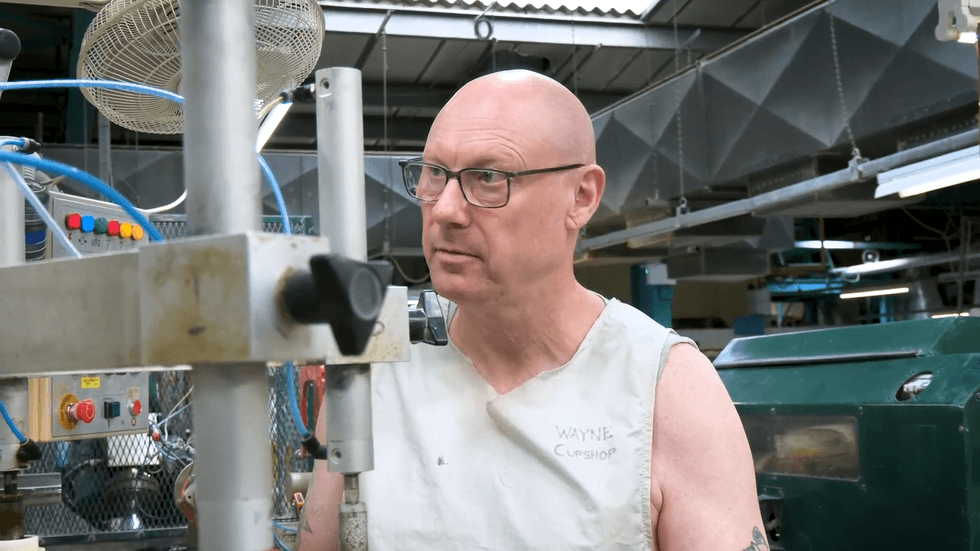
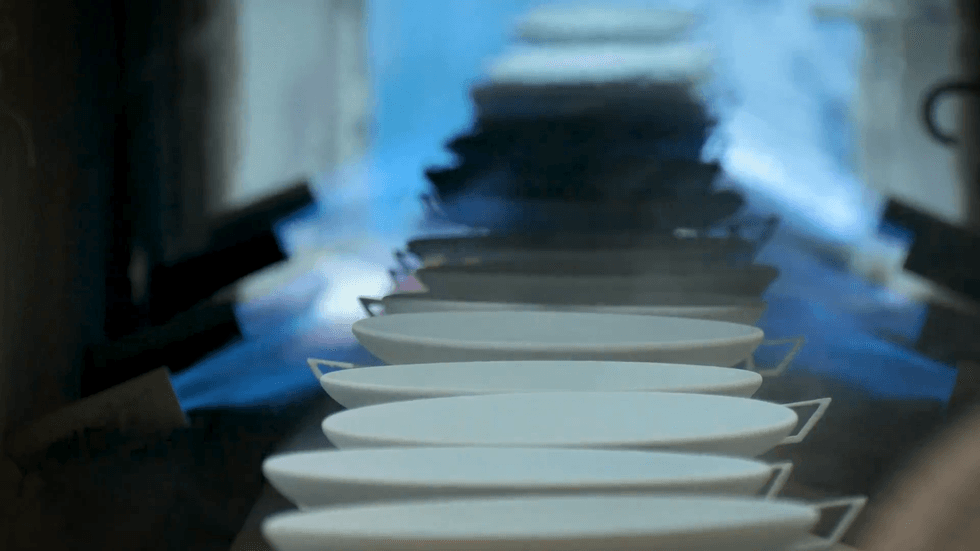
Plenty has been invested in the Portmierion factory, which boasts a wealth of high-tech manufacturing machinery.
But without gas to power the kilns, it would fall silent.
Mr Raybould said ceramics were produced using similar methods anywhere in the world, using fossil fuels to power the kilns.
But it was the UK that was paying the highest price.
He explained: “For the last three years, we have been very vocal with the industry in challenging the Government on energy prices in the UK.
“It’s not just that they are much higher than they used to be, they are much higher than pretty much any other country in the world.
“We use gas in our kilns and that’s because really, at the moment, there isn’t another technology available to us.
“If you buy a product that’s been imported from another country, it will be made in the same way. There isn’t really any other technology for what we do other than burning natural gas to fire the products.
“But that’s the same in any other country where there are factories so, if we lose those skills from this city, from the UK, all we are going to end up doing is importing the same tableware from abroad and that’s not going to have a better carbon footprint.
“We are just going to lose jobs. You are not going to have a better Net Zero contribution by not using the gas.”
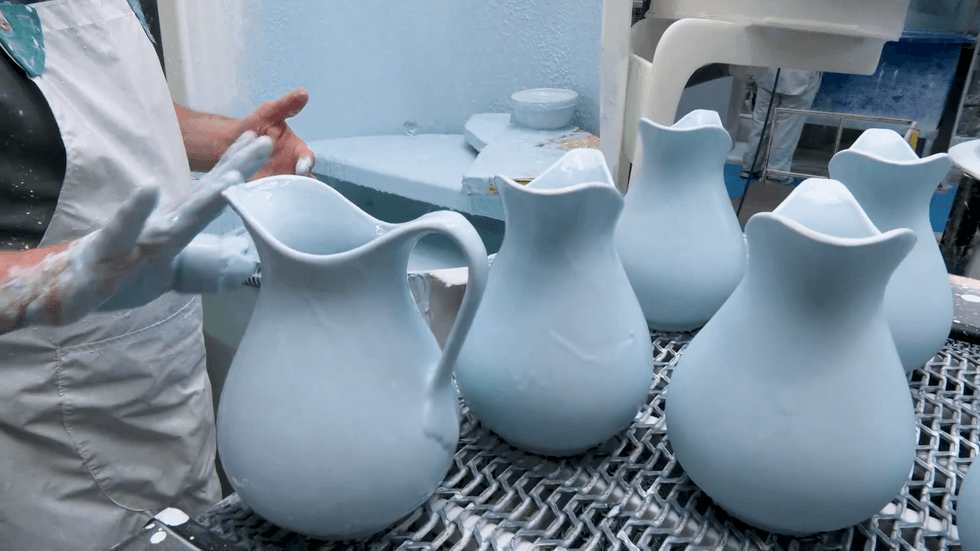
Mr Raybould called for a more pragmatic approach from the Government, which has been steadfast in its drive to move to renewables.
Its Department for Energy Security and Net Zero, led by Ed Miliband, talks about the country getting off the “roller coaster” of oil prices, which are highly volatile against events like Iran.
But Mr Raybould said the Government’s focus ought to be on lowering prices.
He explained: “I think getting energy prices down, gas and electricity, is fundamentally important for any Government, and it really needs to happen now.
“We are going to be reliant on gas in this country for decades to come – as consumers, as households with gas boilers, as well as industries like this.
“We need an energy policy, an energy strategy, that looks after, yes, renewables, but also gas as well.”
Just under four miles away, Mr Evans demonstrates a high-energy kiln that fires at 1200C.
It shoots jets of flame up to 15 feet and is designed to operate for 48 hours or more without stopping.
It is all powered by gas, he explains, before turning to the products created by the kiln.
They are heat storage bricks – vital for keeping homes warm if we do largely transition to renewables.
“Ironically, we have to expend a lot of energy to fire these,” he says.
“But then, in their service, they are storing heat using electrical heating elements to enable UK households to move over to electric energy rather than fossil fuels.
“To manufacture ceramic products, those have to be fired to very high temperatures in order to become hard and strong enough, to give them the properties that we need.
“So, in the production of that transition material, we are having to consume energy and that’s why it’s so vital that companies like ourselves can continue to do that to help the UK achieve its energy transition targets.”
But he warns that the industry is in a fight for its survival.
Imports from countries with less stringent regulations were already undermining the sector. The latest energy hikes are an additional blow.
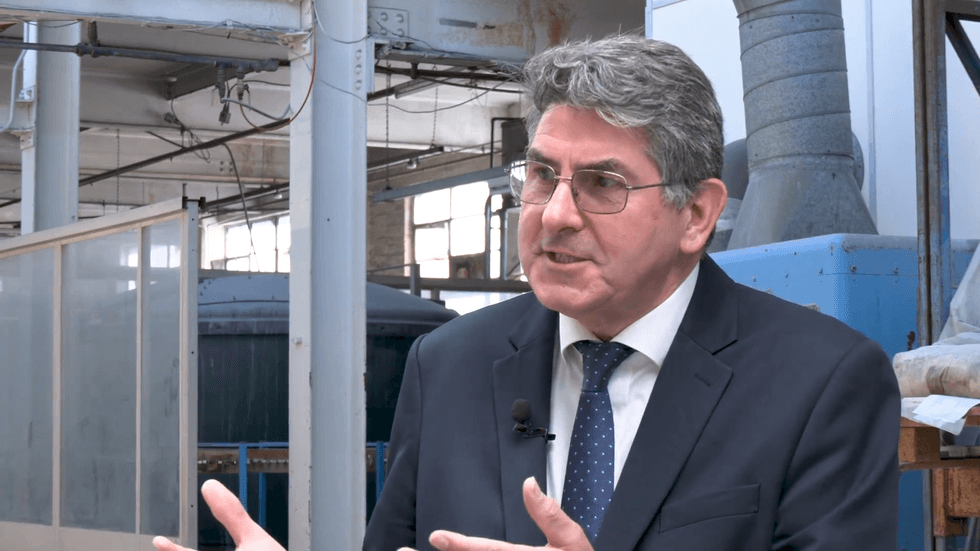
Like Mr Raybould, he is baffled at being excluded from the support schemes. Does he feel overlooked? “Very much so,” he replies.
“If we don’t get the support that we are looking for and we can’t continue to be in business, then that will undermine not only ourselves, but also those other vital industries across the UK.”
The Mantec factory offers an insight into precisely how ceramics serve those other industries.
From defence to medicine, they are needed everywhere.
Rob Flello, chief executive of UK Ceramics, even suggests that, without ceramics, “we would still be living in caves”.
Mr Evans agrees. He demonstrates a collection of filters that can separate impurities from liquids, including molten metal.
They are important for catalytic converters and also for the electric car industry, where rare metals are key battery components.
It makes them vital for the green transition.
In another room, a pile of tiny discs are being inspected for quality control.
They are filters that ensure the purity of alloys used in advanced jet turbines, he explains.
“You don’t want a turbine failure at altitude when you are on an aircraft - that could be catastrophic.
“This single disposable filter is absolutely critical in ensuring the quality of these components.”
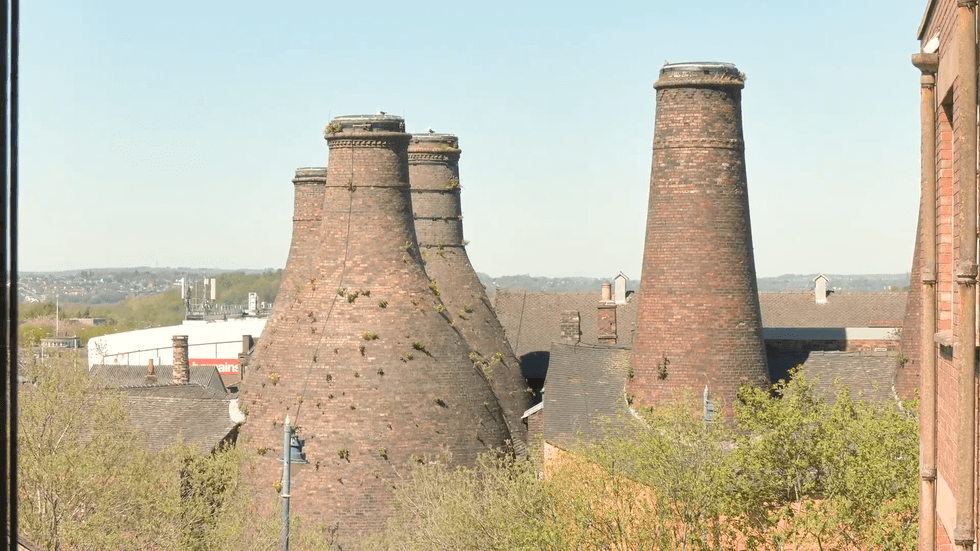
This highly skilled work takes place in the shadow of a row of bottle chimneys – the famous coal-fired kilns that powered Stoke through the industrial revolution.
But ceramics have come a long way since then, says Mr Evans.
“We are in Stoke-on-Trent, which is known as the Potteries,” he said.
“I’m third-generation in the industry myself. It’s not just about the potteries, it’s about the heavy clay sector, we need refractories to make steel, we need bricks to make houses, we need technical ceramics to make aerospace engines.
“It’s really been decimated over time, as a result of low-cost imports and the increased costs of labour, raw materials and energy. It is making the survival of the industry very difficult.
“They are really an essential part of the UK economy and it would be very detrimental if ceramics were not made in the UK any longer.
“What we would say is give us the chance to be competitive. Level the playing field. Make energy affordable to us.
“We have got some of the best quality products in the world. We export around the world. Give us a fighting chance and we will do the rest.”
The fight will continue, but Mr Flello believes the time for talk is over.
He said: “The Government just doesn’t seem to be listening. It has had numerous meetings with us, it talks to us all the time, we are getting in to see ministers, they come to events, but there’s no action.
“This industry is a fantastic industry. It employs 22,000 people across the entirety of the UK, from Scotland to Cornwall, Northern Ireland, Wales, every county in England – you name it. And yet we are not getting the recognition, we are not getting the support.
“We don’t want handouts, we just want a Government that actually cares about this industry and is prepared to step forward and find solutions to the problems that we have - most of which are being generated by the Government.”
He said he feared the sector was the inadvertent victim of an ideological energy policy.
He said: “Forgive the comparison, but it’s a little bit like a family who are starving and the parents open the cupboards and say ‘well, we have got all this cake, but it’s really bad for you, so you can’t have any, you are going to have to starve, kids.
“It’s that kind of mentality. It beggars belief.”
A Government spokesman said: “We know this is a difficult time for historic industries like potteries and ceramics which have always been a point of pride in this country, and we regularly meet with Ceramics UK and trade unions to discuss support for the sector.
“We will work with Denby Pottery to understand the implications for their workers and the local area, and continue to work hard to help protect businesses across the UK from the worst economic challenges.”
Our Standards: The GB News Editorial Charter
What's Your Reaction?
 Like
0
Like
0
 Dislike
0
Dislike
0
 Love
0
Love
0
 Funny
0
Funny
0
 Angry
0
Angry
0
 Sad
0
Sad
0
 Wow
0
Wow
0