













Rachel Reeves to hit offices with £600million stealth tax in business rates raid
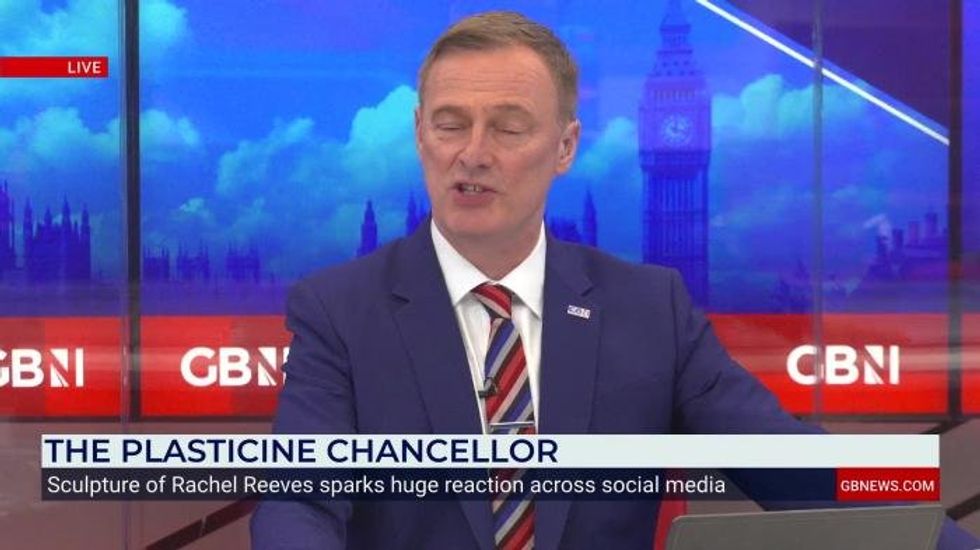
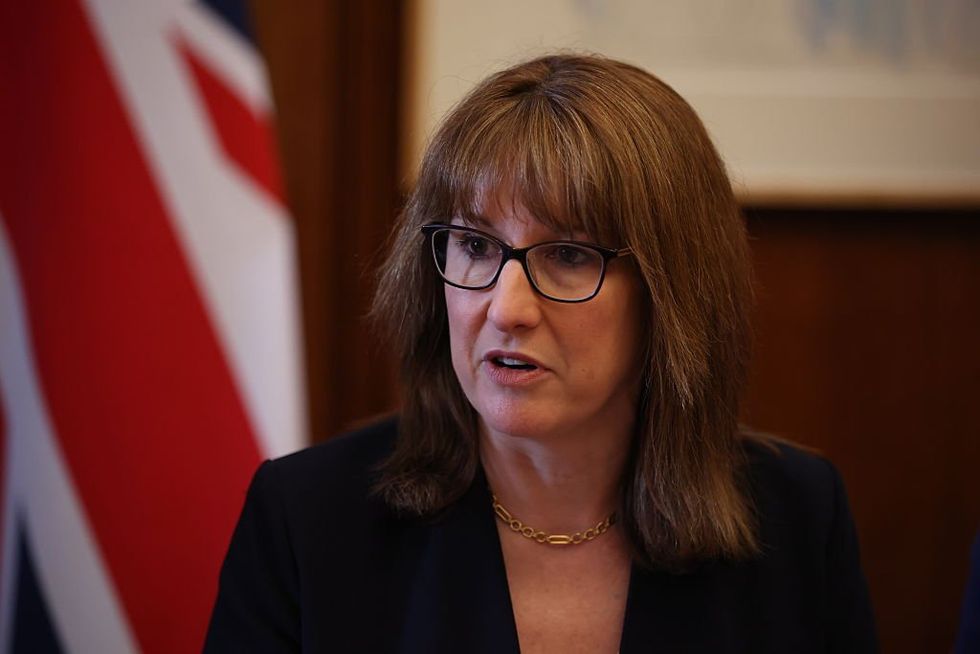
Rachel Reeves is set to impose a £600million stealth tax on shared office providers across England through sweeping changes to business rates.
Flexible workspace landlords face new tax burdens under the Chancellor's reforms, with economists projecting an additional £594million annually in levies.
These increased costs are expected to fall on tenants, leaving thousands of small enterprises facing higher expenses.
Research from economics consultancy ChamberlainWalker suggests the financial strain could force as many as 150,000 workers to abandon co-working arrangements and return to home-based employment.
Such a shift could reduce high street footfall nationwide, affecting local economic activity.
The tax increase stems from a change in how the Valuation Office Agency (VOA) assesses shared office buildings.
Under the revised approach, co-working premises will be treated as single establishments rather than collections of individual units.
This distinction has significant financial implications for occupants.
Previously, tenants operating within these spaces could claim small business rates relief when their units were assessed separately.
The revised classification removes this entitlement, increasing costs for many businesses.
ChamberlainWalker estimates that affected firms will face average additional rental expenses of £5,400 per year.
The retrospective nature of these changes has already affected some operators, with The Fisheries in east London receiving a £400,000 historical tax demand last autumn.
LATEST DEVELOPMENTS
- UK unemployment to top two million as economy 'flirting with recession'
- Rachel Reeves issued warning as £75billion raid pushes Britain to 'peak taxation'
- Rachel Reeves blasted by pub landlord for tax hikes and pushing up costs: 'They're not listening!'
For micro-businesses and sole traders who rely on co-working spaces, the implications are significant.
Paul Wilson, policy director of the Federation of Small Businesses, said: "Every small business, potentially a self-employed person or micro-business using a shared space, faces thousands of pounds of extra costs."
He added: "That is very likely to be a decisive factor for some of them with the decision not to use a shared space."
Mr Wilson said: "If shared office spaces face increased bills, it will undoubtedly be negative for the Government's local growth agenda."
Chris Walker, founder of ChamberlainWalker, said: "This is just about the most damaging way I can think of for a government to raise what would be a modest amount of revenue."
Richard Johnson, managing director of UBC, which runs 17 flexible offices across Britain, said: "These are local entrepreneurs and small teams, not big corporations with deep pockets."
He added: "Expecting a small business to suddenly find an extra £5,400 a year just to keep their office door open is completely unrealistic."
The Federation of Small Businesses has called on ministers to take action, while industry representatives have sought engagement with the Treasury.
FlexSA, the trade body representing flexible workspace operators, has held three meetings with the Exchequer Secretary, though no resolution has been reached.
A Treasury spokesman said: "We have the right economic plan we're reforming business rates to back the high street with a £4.3billion support package to limit bills rises, alongside capping corporation tax at 25 per cent, cutting red tape and taking action on the cost of living to boost the sector."
He added that hospitality businesses would benefit from a 5p reduction in their rates, funded through higher levies on the most valuable properties.
Our Standards: The GB News Editorial Charter
What's Your Reaction?
 Like
0
Like
0
 Dislike
0
Dislike
0
 Love
0
Love
0
 Funny
0
Funny
0
 Angry
0
Angry
0
 Sad
0
Sad
0
 Wow
0
Wow
0