


African nation hails British Empire as liberators in major blow to slavery reparations campaign
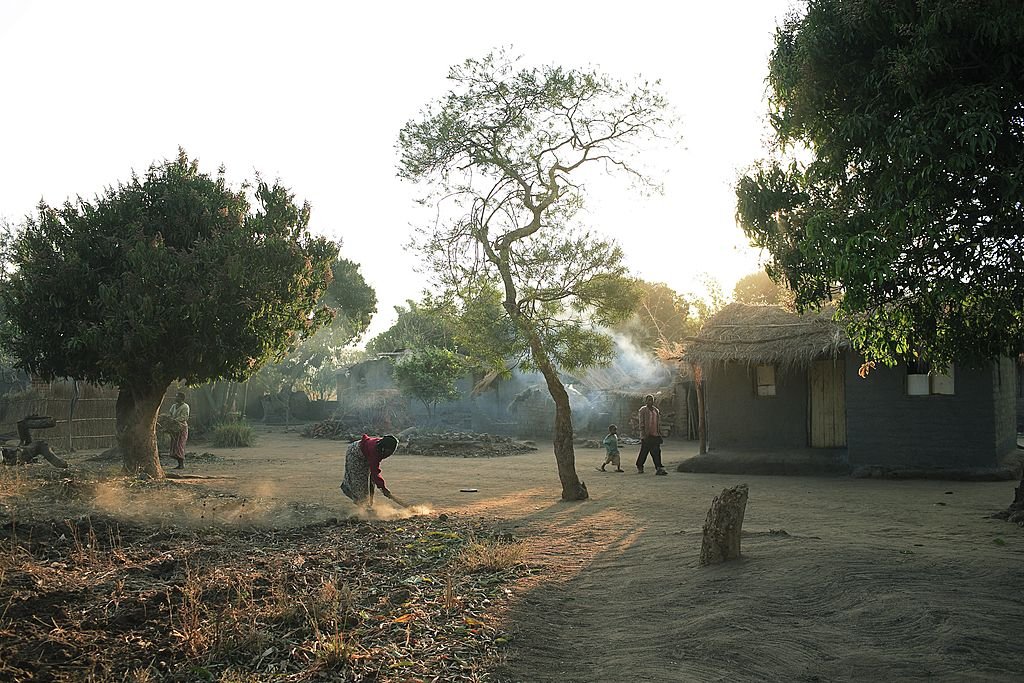
An African nation is celebrating the British Empire as a force for liberation rather than oppression, in a blow to slavery reparations campaigns in the region.
Malawi's government is spearheading an ambitious project to construct a dedicated slavery museum, restore colonial-era military forts, and preserve mosques and marketplaces connected to the Arab slave trade, with the aim of securing Unesco World Heritage status for these sites.
Moses Mkumpha, who is involved in the government-backed preservation effort, told The Telegraph: "Britain was not a coloniser; it was a liberator.
"The monuments that we have, that we conserve, they are linked with the British. If you look at how the slave trade was ended in Malawi, we owe that to the British."
Malawi's people endured centuries of brutal enslavement at the hands of Arab traders, forming part of a vast trafficking network spanning the Indian Ocean and Saharan routes that stretched over 1,200 years.
The Institute of Commonwealth Studies estimates that roughly 11 million Africans were forcibly taken from the continent's interior to the Arab world between approximately 800 and 1900.
In contrast to the transatlantic trade, a greater proportion of those seized were women, destined primarily for domestic labour and sexual exploitation, with captives often forced to carry heavy loads of ivory on their long marches to the coast.
David Livingstone, the Scottish missionary and explorer who witnessed the horrors firsthand, described what he saw as the "trade of hell."

Dr Oris Malijani, who leads the Malawian heritage project, said: "Slavery in East and Central Africa, it is almost forgotten; it is not discussed."
The village of Nkhotakota, once a thriving hub for the slave trade on the shores of Lake Malawi, saw vessels arrive from the 1840s onwards to collect human cargo destined for the Arabian sultanates.
Following appeals from Livingstone and other missionaries, British military forces moved to dismantle the slaving operations.
In 1891, Britain declared the territory a protectorate under Harry Johnston, who deployed troops and gunboats to break apart the trafficking networks.
LATEST DEVELOPMENTS
- 'This is how Chagos started!' Suella Braverman warns Andy Burnham against formal slave trade apology
- Caribbean delegation arrives in Britain to demand slavery reparations from King in 'time of reckoning'
- Church of England is 'heading for financial disaster' due to net-zero targets and slavery reparations, report warns

Mr Johnston's forces defeated the self-styled "Sultan" Mlozi in 1895, and the following year Britain compelled the Sultan of Zanzibar to end the slave trade after a conflict lasting just 45 minutes, the shortest recorded war in history.
Several forts erected during this campaign, including Fort Johnston, Fort Lister, and Fort Mangochi, are now earmarked for Unesco submission as part of a proposed "slave heritage route."
The Malawian project also tackles a frequently avoided dimension of the slave trade: the central role played by African leaders themselves in capturing and selling their own people.
Dr Malijani said: "There is a misconception that slavery started at the coast, like the coast of Ghana, for example, but the history of slavery did not start there at the coast,
"It began much closer inland, in African communities where people were captured. What about the African leaders that were involved in slavery?"

In the territory once known as Nyasaland, the Islamised Yao people were the principal African participants, taking members of the Chewa ethnic group as captives.
At Nkhotakota, the Swahili-Arab trader Salim bin Abdallah, known as "Jumbe", dispatched approximately 20,000 slaves annually to the coast and established a dynasty of slavers that British forces finally overthrew in 1894.
Malawi's stance presents a striking counterpoint to the intensifying reparations debate facing the British government.
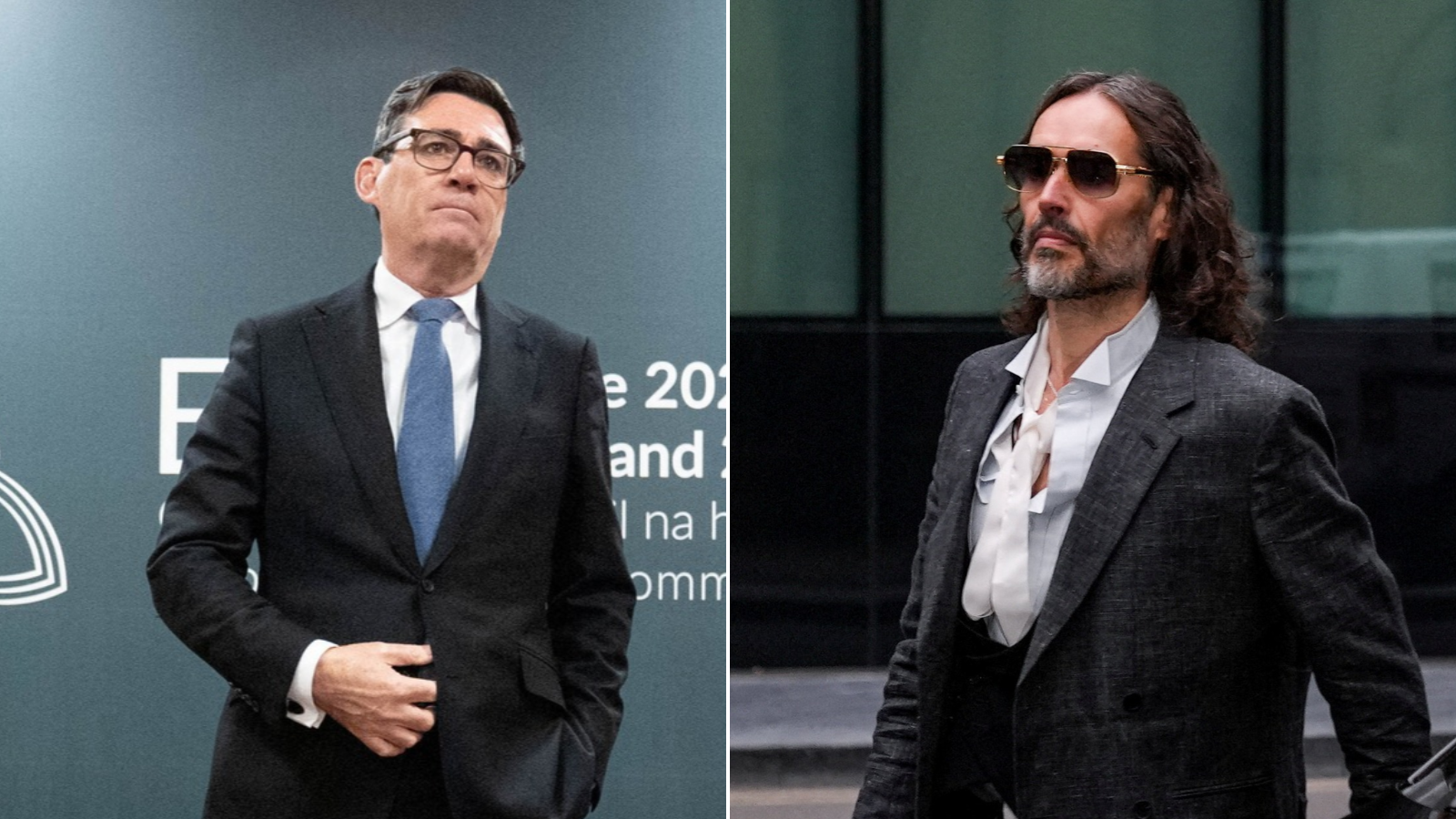
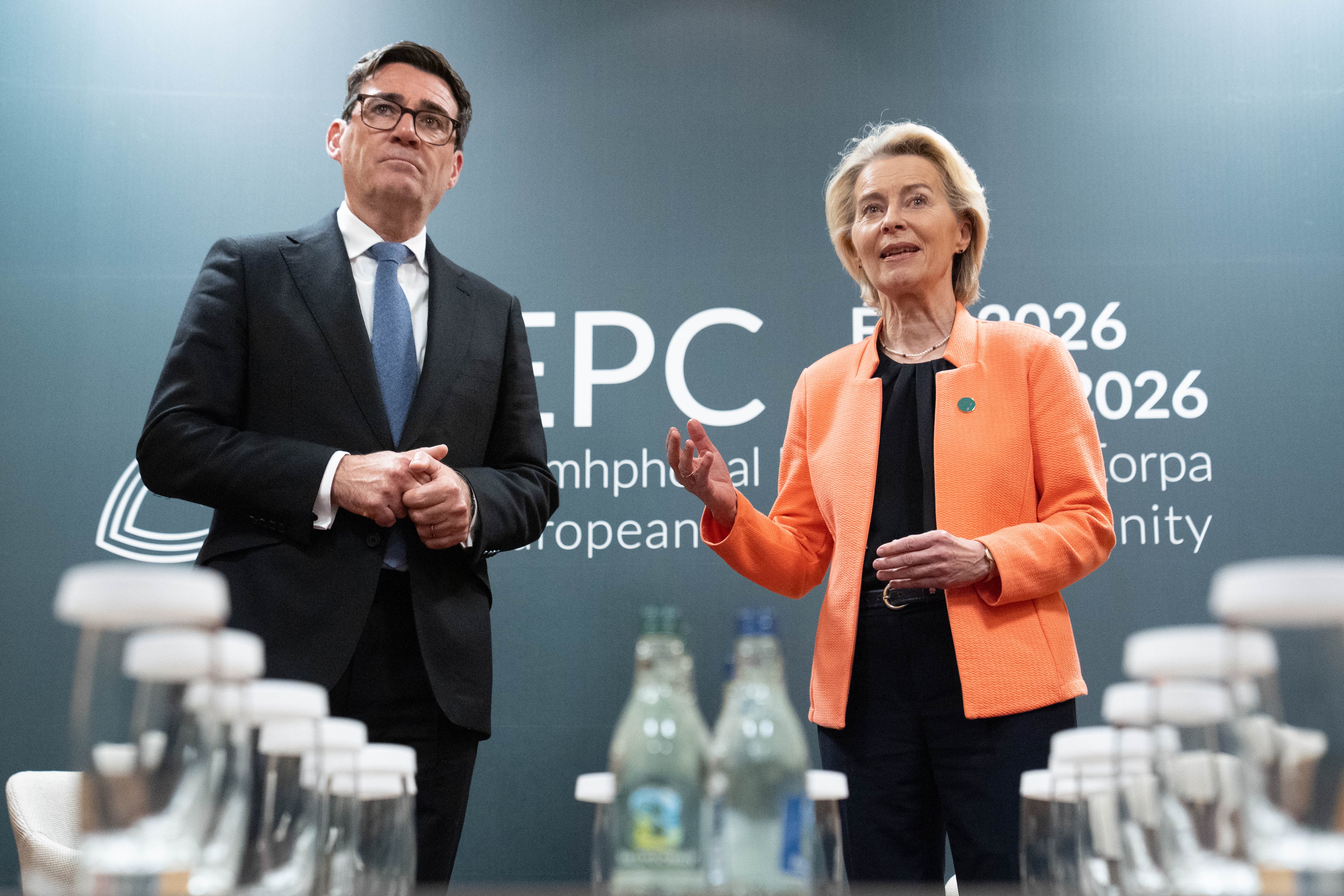
Prime Minister Andy Burnham has partially yielded to pressure from the Caribbean Community and the African Union by opening talks on a formal apology and potential forms of investment and debt relief, though without committing to financial reparations.

Conservative former deputy prime minister Sir Oliver Dowden branded the approach "naive," warning that an apology could leave ministers with "no choice but to offer reparations."
Reform UK's Robert Jenrick dismissed the initiative as "performative far-left nonsense."
Meanwhile, back in the Malawi capital of Lilongwe, officials hope Britain will channel support towards preserving the very colonial structures that stand as evidence of the Empire's role in ending slavery.
"We need their help in terms of conserving them," Mr Mkumpha said.
Our Standards: The GB News Editorial Charter
What's Your Reaction?
 Like
0
 Dislike
0
 Love
0
 Funny
0
 Angry
0
 Sad
0
 Wow
0