







Cold homes blamed for 4.5 million extra A&E visits as experts warn of deadly fuel poverty crisis
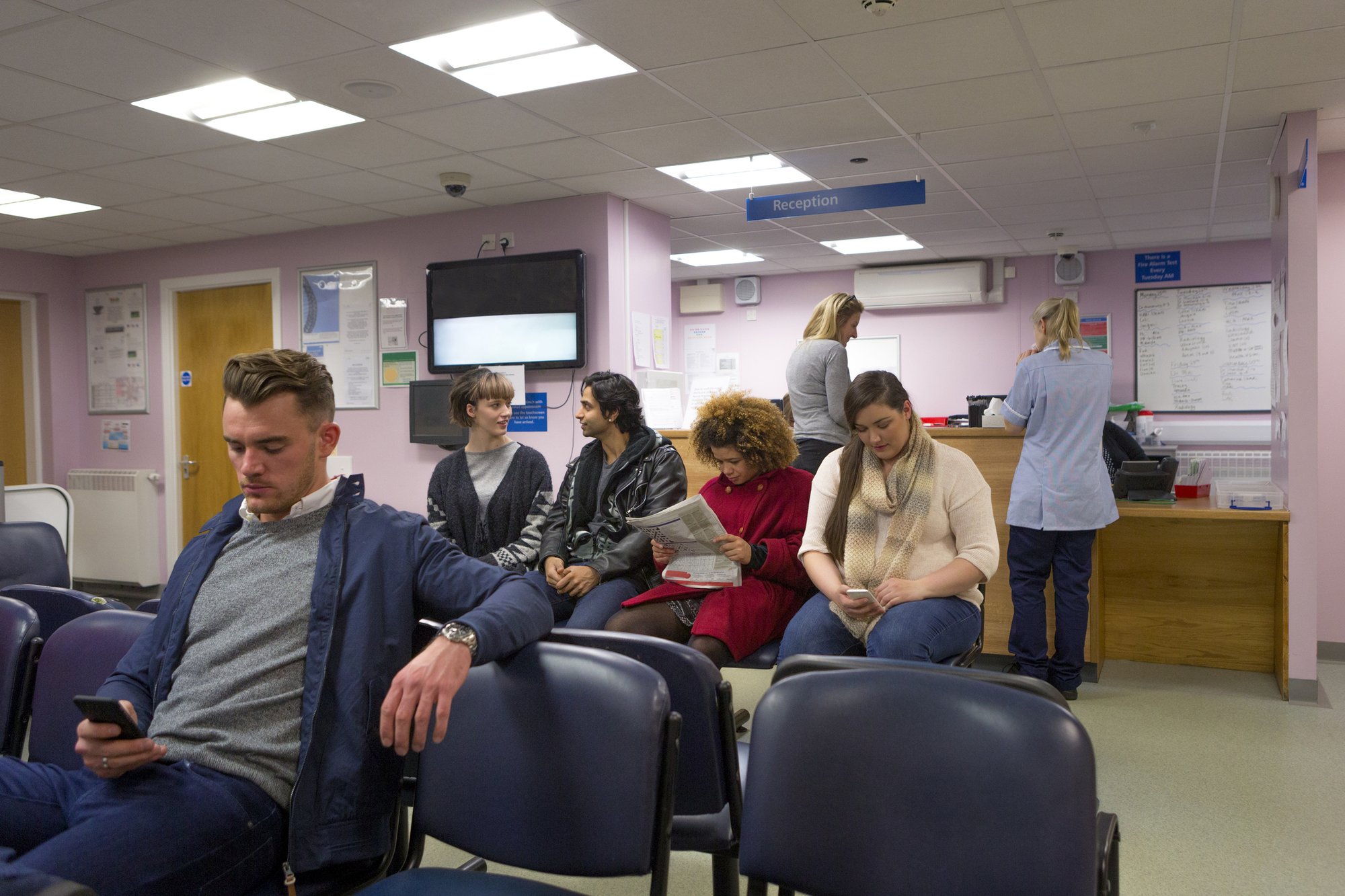
A staggering 4.5million extra visits to A&E have been recorded in areas of England worst hit by fuel poverty, as experts warn Britain's crippling energy bills are putting lives at risk.
Damning new research also reveals 200,000 additional hospital admissions for lung conditions and around 150,000 extra diagnoses of mental health problems in communities where people are most likely to struggle to heat their homes.
The findings, released today by the think tank, the Health Foundation, and based on health data from 2025 and 2025/26, have sparked demands for urgent financial help for families unable to afford to switch on their heating this winter.
They come as England's overstretched NHS battles record demand, with 28 million A&E attendances in 2025/26 - up more than 30 per cent since 2011/12.
More than 1.8 million A&E visits lasted at least 12 hours, while hospitals recorded almost 6.5 million emergency admissions.
The new findings follow recent research from the UK Health Security Agency, which found an estimated 2,200 deaths linked to cold weather in England last winter, including 1,563 associated with a single nine-day cold snap in January.
Tom Prendergast, lead data analyst at the Health Foundation, warned tackling fuel poverty should be at the "top of the Government's agenda".
Speaking to GB News, he described instability in energy prices as a "huge contributor" to the crisis and warned that improving the energy efficiency of Britain's homes would not solve the problem alone.
He said: "Energy efficiency isn't a fix in itself."
He added that targeted financial help would be the most immediate way of addressing people's suffering. He added: "Being able to keep warm at home is fundamental to good health."

The findings come as the war in Iran has driven up global gas prices, hammering British households already paying some of the highest electricity prices in the world.
Energy regulator Ofgem hiked its price cap by four per cent last month, taking the annual bill for a typical household to £1,723.
But experts say Britain's energy crisis predates the war, with expensive gas, green levies, renewable energy subsidies and the cost of upgrading the electricity network to meet net zero ambitions all contributing to the financial burden on households.
The Health Foundation research showed that areas most vulnerable to fuel poverty had a 21 per cent higher A&E attendance rates, an 18 per cent higher hospital admission rates for lung conditions, six per cent higher hospital admission rates for heart and circulatory diseases and 24 per cent higher levels of poor mental health.
The differences remained even after researchers accounted for people's age and income.
Cold homes can trigger potentially deadly asthma attacks, worsen chronic lung disease and increase the risk of heart attacks and strokes.
LATEST DEVELOPMENTS
- Brighton school SCRAPS allowing biological boys to use girls' changing rooms following court battle
- Taxpayer-funded bodies accused of costing Britain billions and blocking major projects
- Alastair Campbell blasts 'snowflake' label and warns young Britons face tougher future than parents

Low temperatures narrow blood vessels, driving up blood pressure and putting extra strain on the heart.
Damp and mould can damage the lungs, while the relentless stress of being unable to pay bills can wreak havoc on mental health.
Researchers identified Wales and Scotland as particularly vulnerable to fuel poverty, while the worst-hit regions in England were the North West, West Midlands and Yorkshire and the Humber.
But it is not just pensioners who are suffering. The research showed many of the worst-affected communities are home to large numbers of children, whose health and development can be blighted by growing up in cold, damp homes.
The research also claims there is a glaring problem in the Government's approach to tackling fuel poverty.
Families living in homes with an energy efficiency rating of C or above cannot officially be classified as fuel poor in England, however little money they have to pay their bills.
Yet the report showed more than a third of the neighbourhoods identified as being most vulnerable had a typical energy efficiency rating of C or above.
And almost one in five of the worst-hit areas had higher household incomes than most neighbourhoods nationally - showing even better-off families struggling to heat their homes.
Mr Prendergast welcomed the Government's pledge to lift one million households out of fuel poverty by 2030 but warned families needed protection from sudden price hikes now.
He said: "We need to be in a position where people are able to weather those shifts in energy prices."
He warned there was a widely accepted link between cold homes, fuel poverty and excess winter deaths.
He added: "As weather becomes more unpredictable and as energy prices become more unpredictable as well, it is an urgent need."
A Government spokesman said: “We’re giving families struggling with energy bills some breathing space this winter. From January we’re giving most homes £100 off their bills, on top of slashing VAT. Those most in need will also get an extra £150.
“Our Warm Homes Plan will reduce energy use, lower bills for millions of households and sets out a plan to lift up to one million households out of fuel poverty by 2030.”
Our Standards: The GB News Editorial Charter
What's Your Reaction?
 Like
0
 Dislike
0
 Love
0
 Funny
0
 Angry
0
 Sad
0
 Wow
0