





Revealed: Britain faces monster £124bn bill as Brexit 'stitch-up' looms
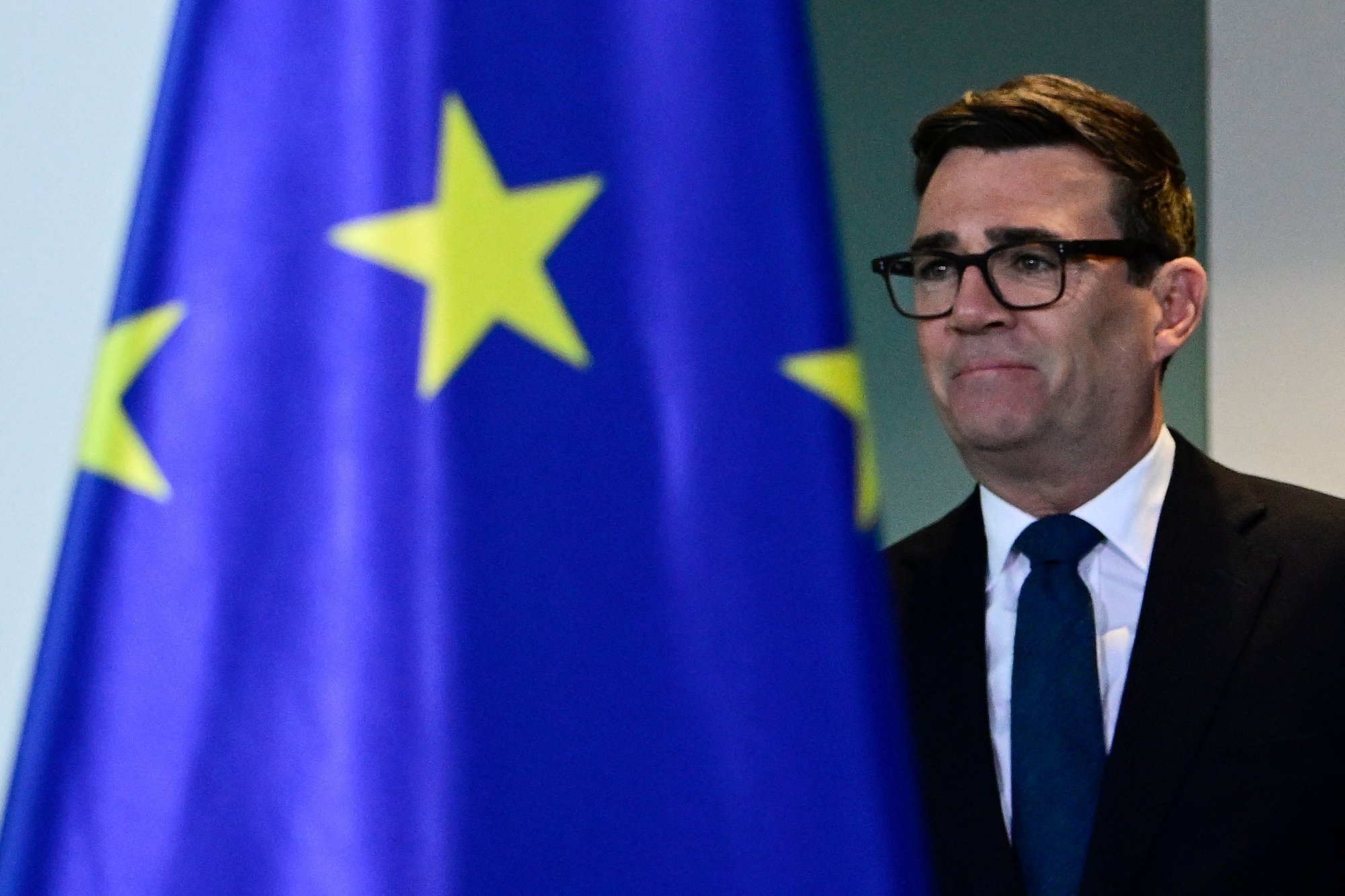
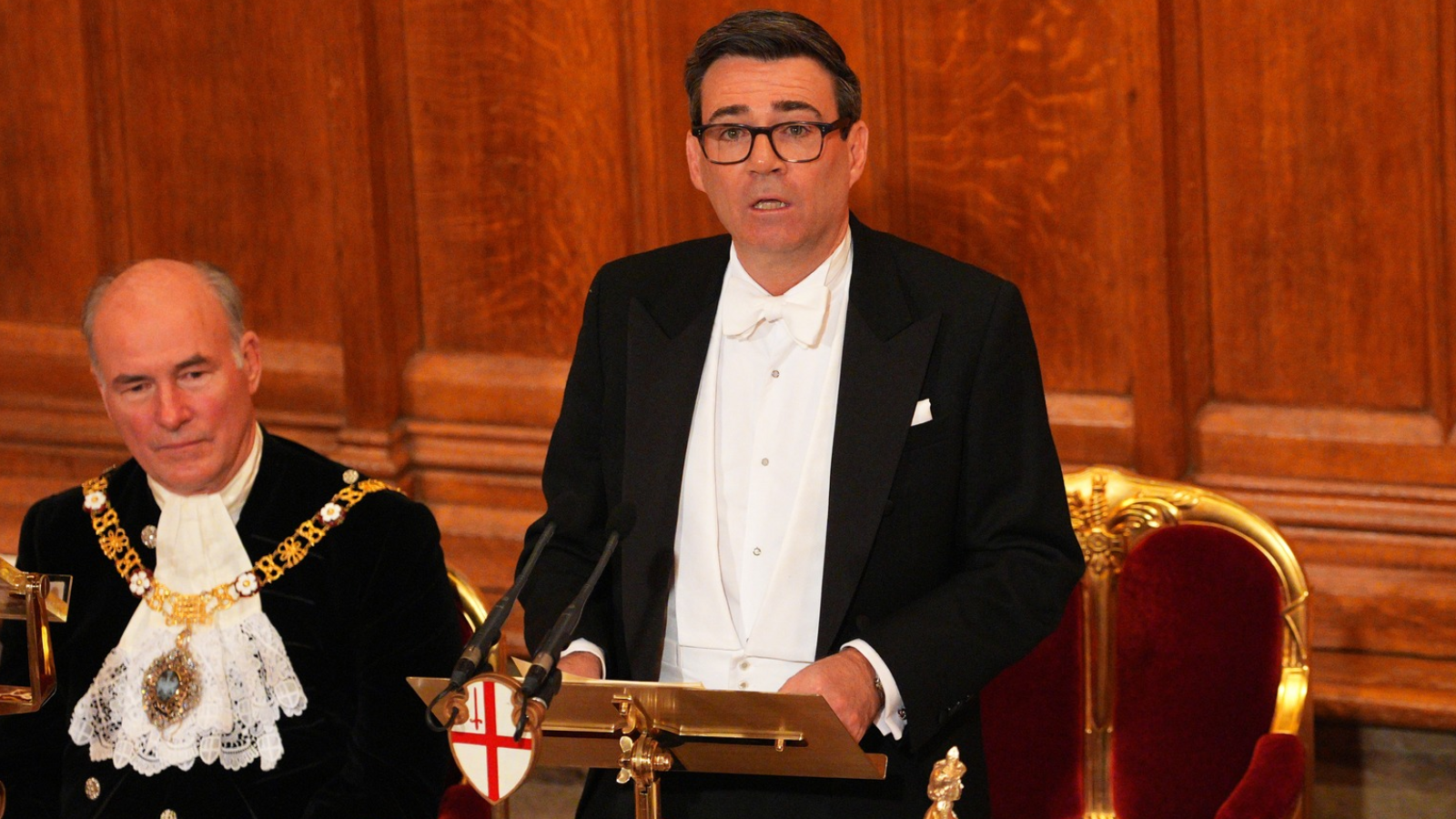
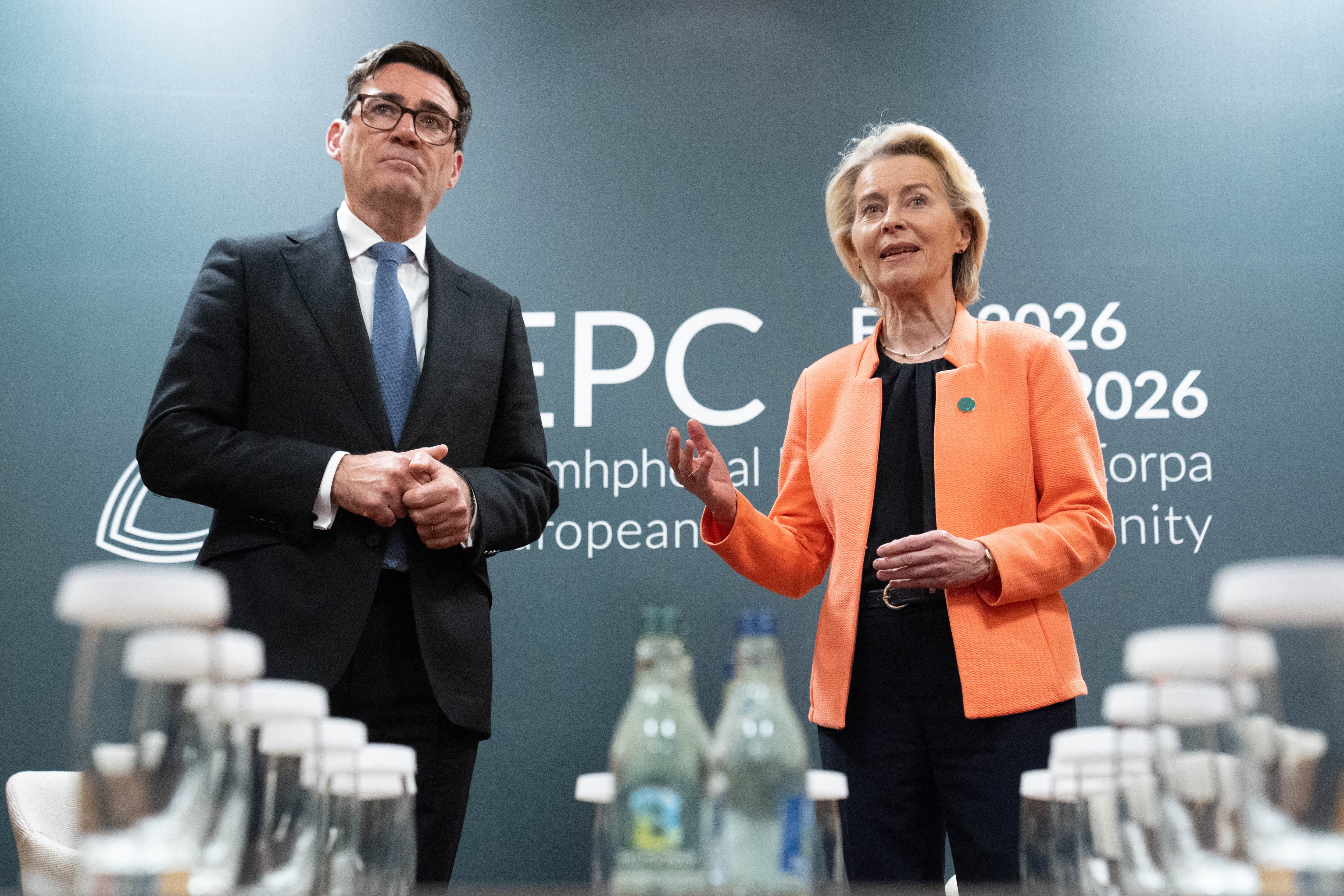
Andy Burnham's UK-EU summit stunt could be the first step towards landing Britain with an eye-watering £124billion bill - the equivalent of two defence budgets.
That enormous sum which could impact British taxpayers, businesses, and British consumers alike, has been exposed following detailed analysis by the Brexit Facts4EU think-tank, in collaboration with Stand for Our Sovereignty, and The Campaign for an Independent Britain (CIBUK.Org). This report has been shared exclusively with GB News.
When he meets EU leaders, we know from leaked documents that almost everything has been agreed in advance.
This is normal for these events, which are mostly "photo opportunities" when agreements are signed.
Downing Street will pitch the UK-EU Reset as a commonsense way to boost trade. However, a detailed audit of official budget documents, UK official data, and parliamentary briefings reveals a huge price tag.
This explosive report - based on official data - reveals the shocking numbers

This report covers next year and the period of the EU’s next budget, to 2034. That EU budget has been fully laid out but is not yet agreed by the 27 Member countries. At the moment the UK is making no contributions - but that could change if the EU reset leads closer to a full rejoining.
Total UK goods exports to the EU (£181.9 billion) make up just 5.97 per cent of Britain's £3,044.89billion economy. Only 1.9 per cent of UK businesses export goods to the bloc at all.
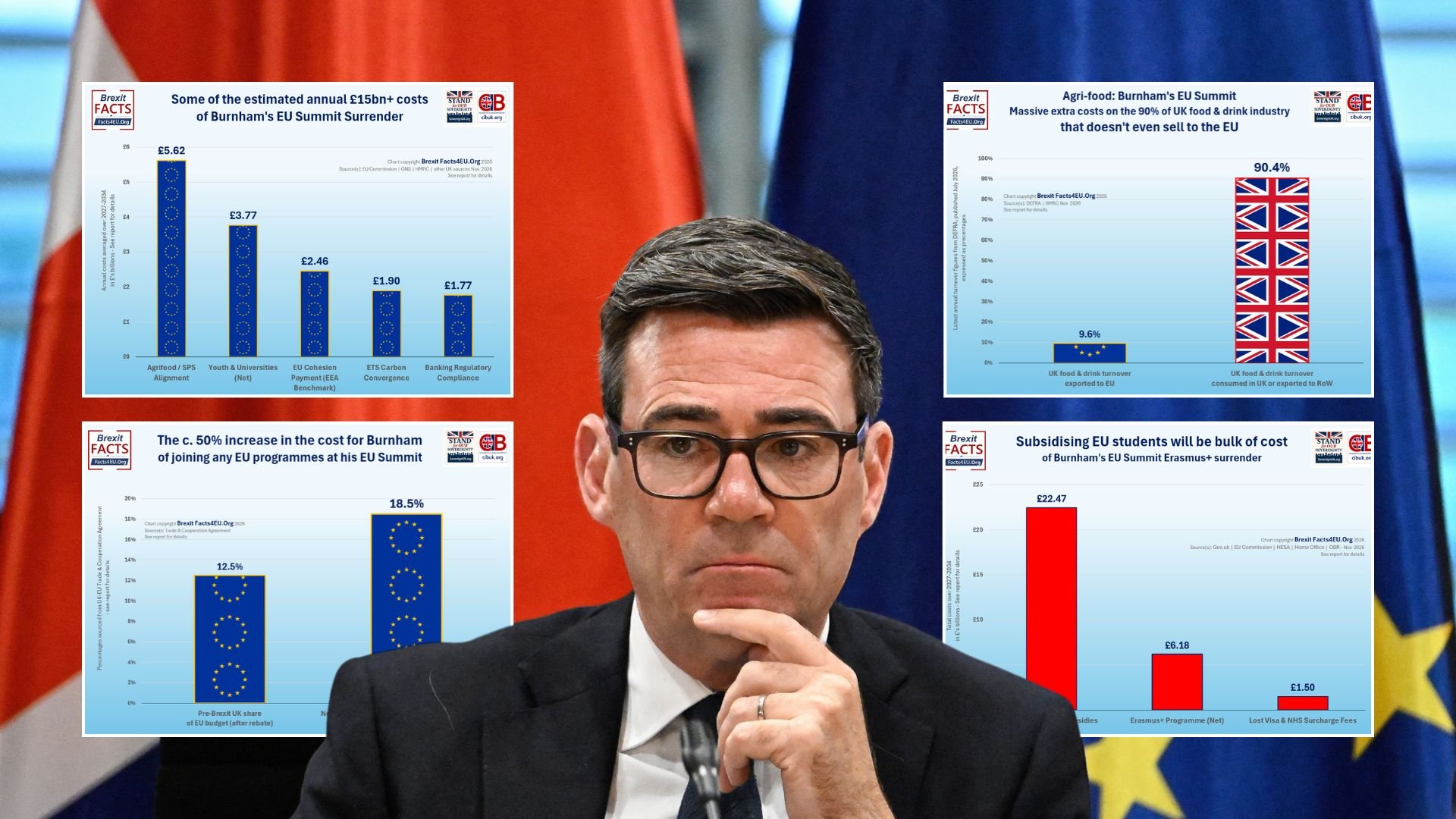
Across the eight years from 2027 to 2034, the new commitments on the Summit table carry an estimated net cost of £15.52billion a year. Over eight years this adds up to an astonishing £124.21billion in total for the Treasury, British universities, business, and the taxpayer. For context, the Ministry of Defence's budget for 2026/27, as per John Healey's recent Budget, is £68.3billion.
The EU’s post-Brexit budget formula trap

The first sting lies in the small print of the Trade and Cooperation Agreement (TCA). When the UK was an EU Member State, budget shares were calculated out of the combined EU28 economy. After the Fontainebleau rebate, the UK paid an average share of around 12.5 per cent.
Under TCA Article 714, Brussels now calculates the baseline budget for the EU27 alone and then adds Britain's bill on top. This lifts the UK's GDP share to roughly 17.8 per cent. However, the TCA then stipulates a mandatory four per cent third-country "participation fee" on top, which means Andy Burnham faces paying 18.51 per cent of EU programme budgets.
Ministers have hailed a one-off 30 per cent discount for Erasmus+, bringing Britain's 2027/28 bill down to £570million. Once the EU's next seven-year budget starts in 2028, however, the undiscounted 18.51 per cent formula jumps to £922million a year.
Even after netting off the £105million annual budget of Britain's highly successful, global Turing Scheme which will be abandoned, Erasmus+ adds a net £770million a year (£6.18 billion over eight years).
Labour have insisted that EU contributions will not be impacted by Friday's Summit.
BUt Lord Redwood, former Single Market Minister, former Secretary of State, told GB News and Brexit Facts4EU: "I knew the EU had only agreed to Reset talks because they saw a weak UK coming. They need more money in a hurry to pay for their surging spending and rightly guessed this UK government would give in to their every demand.
"Even I did not think it would be as much as £15 billion a year until I read the alarming figures set out by Facts4EU.
"The EU dared to demand £6billion of our fish over 12 years just to get into talks. The UK surrendered all that to foreign fleets.
"They required more EU students to get coveted places at good universities, with a big discount on the fees we charge other overseas students to cover all the costs. The UK gave in.
"The UK agreed to join the Erasmus scheme to help many more EU students than UK ones, at another rip-off cost to UK taxpayers."
Universities and Youth Mobility

That cheque to Brussels is dwarfed by the domestic cost of EU youth demands overall. A House of Commons Library briefing cites the leaked Brussels draft Summit statement.
It shows the EU wants young EU nationals to regain domestic UK tuition fee status alongside a new Youth Experience Scheme.
HM Treasury is expected to compensate UK universities for lost overseas fee income. Overseas fees at Russell Group universities (where most EU students go) cost an average £32,000 a year, compared to the £9,535 UK fee. Even a capped number of 50,000 (which the EU are unlikely to agree to), and a graduated uplift of 33,340 EU entrants in year one (half the pre-Brexit level), then 50,000 a year across three-year degrees - would cost £2.81billion a year (£22.47 billion by 2034).
Meanwhile, on the broader "Youth Experience Scheme", Brussels wants visa fees and NHS charges waived. Under a scheme capped at 100,000 arrivals a year, waiving UK visa fees (£319 per person) and the two-year Immigration Health Surcharge (£1,552) would cost £190million a year. This adds another £1.50billion to the eight-year bill.
LATEST POLITICS NEWS
- Andy Burnham claims 'Brexit hasn't worked' as Labour's union donors stage revolt against EU reset
- We are now governed by people who just don't get it – David Shipley
- Conservatives pledge to ditch 'screen-based exams' and cut coursework to limit AI use
Energy, Cohesion and Carbon Alignment
On energy, Brussels' leaked draft demands an "appropriate level of financial contribution towards reducing economic and social disparities". This EU Cohesion payment is the price of rejoining the single electricity market. Scaled by GDP from Norway's official EEA Grants treaty payment (€450.4 million a year), that represents £2.46billion a year (£19.70billion by 2034).
Linking the UK and EU Emissions Trading Systems also ties British heavy industry to higher EU carbon prices. Before the May 2025 Summit, UK carbon allowances traded roughly £20 a tonne below EU prices. Across 95 million tonnes of annual UK emissions, closing that gap imposes an extra £1.90billion a year (£15.20billion over eight years) on UK generators and manufacturers.
The Hidden Cost on Food and Finance

The heaviest industrial burden comes from regulatory rule-taking. Under an ‘Agri-food’ Sanitary and Phytosanitary (SPS) deal, Britain must accept dynamic alignment with EU agri-food laws. Yet UK food and drink exports to the EU account for just 9.64 per cent of the sector's £152billion turnover.
Applying the EU's own 4 per cent compliance cost across the remaining 90.36 per cent domestic and non-EU output adds £5.49billion a year. Writing off approximately £800 million in creating now-redundant UK border posts and paying EU agency fees brings the total SPS hit to £5.62billion a year (£44.99billion by 2034).
And finally, the UK’s ‘jewel in the crown’ – financial services

Accepting EU financial oversight as the price of industrial exemptions adds a further £1.77billion a year (£14.18billion over eight years).
This applies the UK's 18.5 per cent EU budget share to EU Economy Commissioner Valdis Dombrovskis's admission that overlapping EU reporting rules cost banks €11.2 billion annually.
Lord Redwood said: "British business faces an avalanche of new laws, rules, taxes and dearer energy. The Agreement on food standards means applying a myriad of costly laws to all UK businesses when under 10 per cent of our food businesses export anything.
"The carbon tax and emissions trading schemes will mean another hike in the already sky-high energy prices, along with dearer imports of raw materials and components from outside the EU. The electricity scheme will lock us into more dependence on EU power when we should be relying on more home-produced cheaper energy.
"The idea that there could be 0.4 per cent more GDP by 2040 is laughable. All those extra costs a year sandbags the economy. Why impose so much more expense on domestic businesses to try to boost the small UK food exports?
"They saw the UK coming, to talk to us as an easy customer to mug. Their plans will mean they sell us more whilst lifting even more cash from our wallets."
A Government spokesperson said: "Every single one of these claims is complete and utter nonsense.
"No part of our Summit deal includes a contribution to EU budgets – and the idea that we will contribute towards 18.5% of EU programme budgets as a result of our agreement is simply fantasy.
"Far from losing money, our deal will add billions per year to our economy, and end the paperwork tax that has pushed up food prices and left businesses worse off across the country."
Our Standards: The GB News Editorial Charter
What's Your Reaction?
 Like
0
 Dislike
0
 Love
0
 Funny
0
 Angry
0
 Sad
0
 Wow
0