


Freeview will be switched off but final deadline still to be settled, UK Government confirms
The UK Government will switch off terrestrial television delivered via an aerial, with only the specific date for the nationwide cut-off still to be settled. Confirmation that Downing Street will transition millions of Britons to television powered by broadband comes just a few days after a House of Lords report warned the decision would cause a communications blackout.
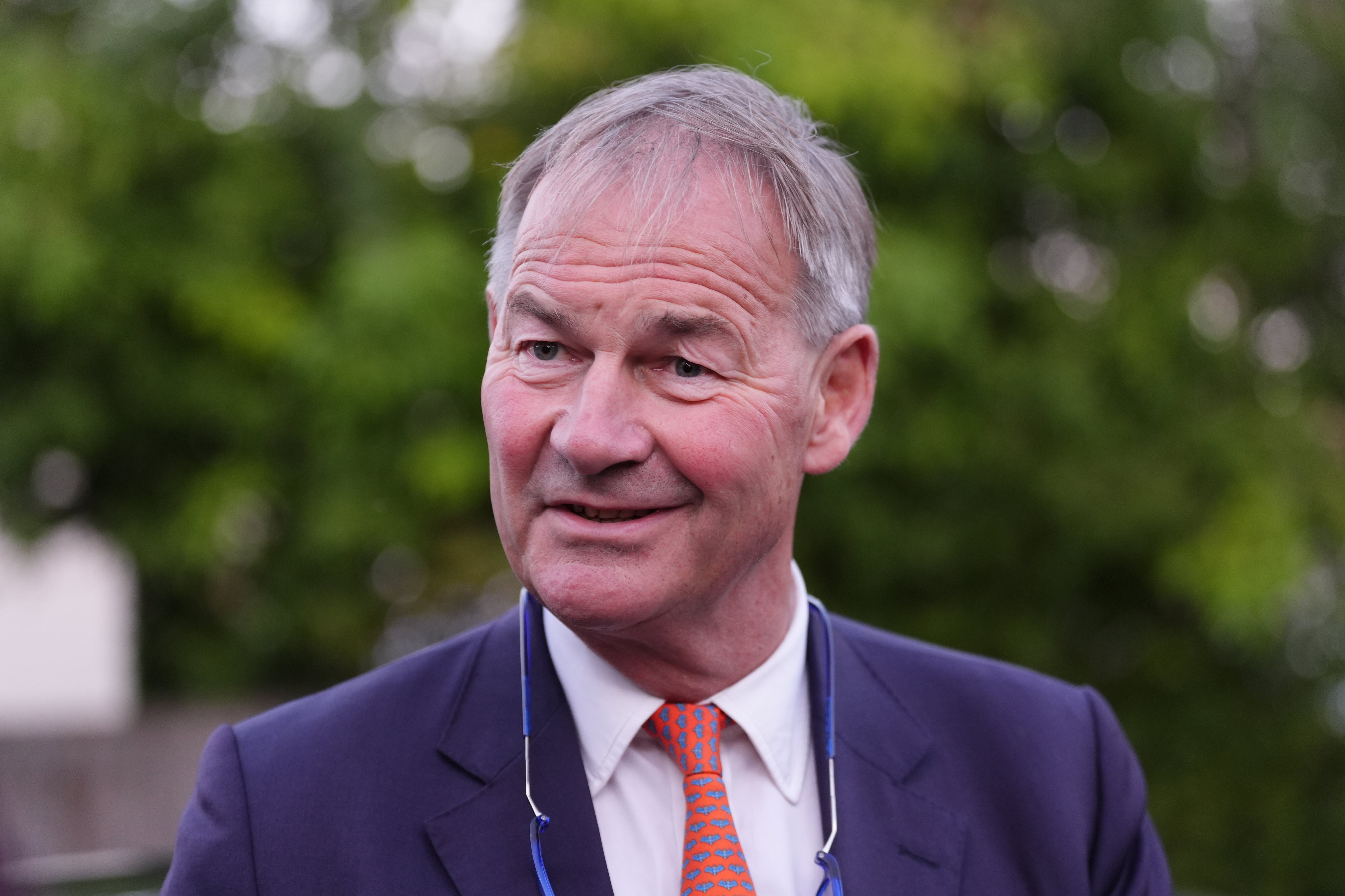
Minister of State in the Department for Digital, Culture, Media and Sport, Ian Murray, confirmed that Freeview will be scrapped in a bid to shift the UK to online-only television. The only question left for the UK Government to settle is the timing.
There are two dates on the table: 2034 or 2044.
Freeview's existing broadcast licences run until 31 December 2034, meaning the Government must decide whether to pull the plug on aerial-based television then, or keep the terrestrial networks running for another decade.
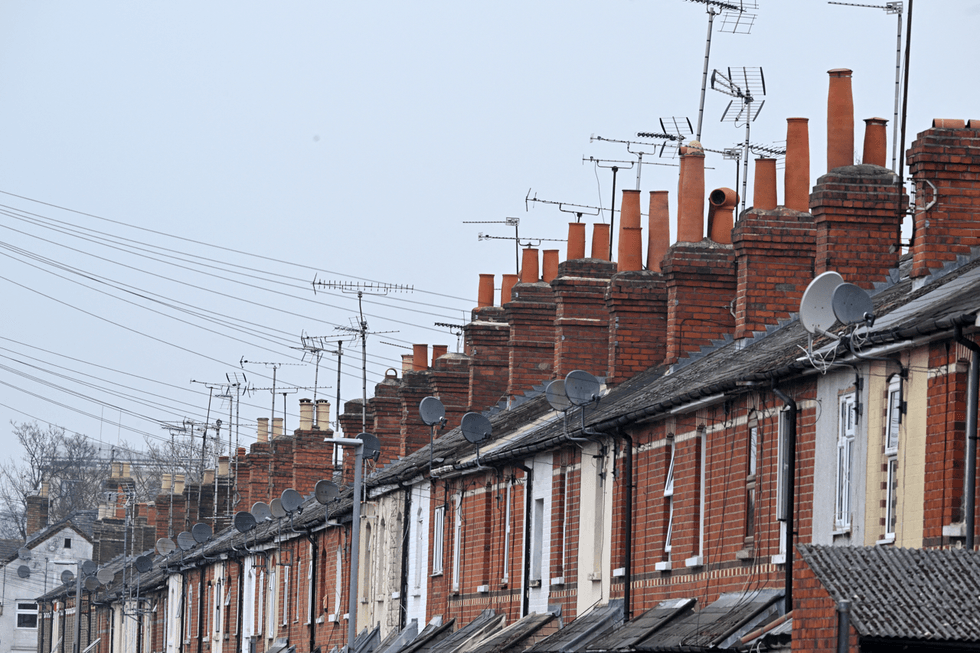
Whenever the UK Government decides to transition away from Freeview, it will be superseded by Freely, which relies on broadband to stream free-to-air television channels. Built by Everyone TV, the same team behind Freesat and Freeview, this system has been adopted by almost all major television manufacturers as the new standard. It also carries all of the biggest free-to-air broadcasters (don't worry — we're included) and a swathe of advanced features not possible with Freeview.
Freeview is still found in around 12.9 million UK homes, although there is some dispute about how many households still rely on aerial broadcasts as the only method to tune in. Research suggests Freeview households will tumble from 9.7 million to under one million by 2034 as people switch to streaming. Millions of us have already flocked to broadband-based broadcasts, a trend that looks set to continue until it overtakes Freeview as the most popular way to watch television by the end of the decade.
It's not just free-to-air television that's increasingly reliant on broadband.
Sky TV says 9 out of 10 new subscribers choose an internet-based streaming device — either its Sky Stream box or the all-in-one integrated Sky Glass TV — rather than traditional satellite dishes.
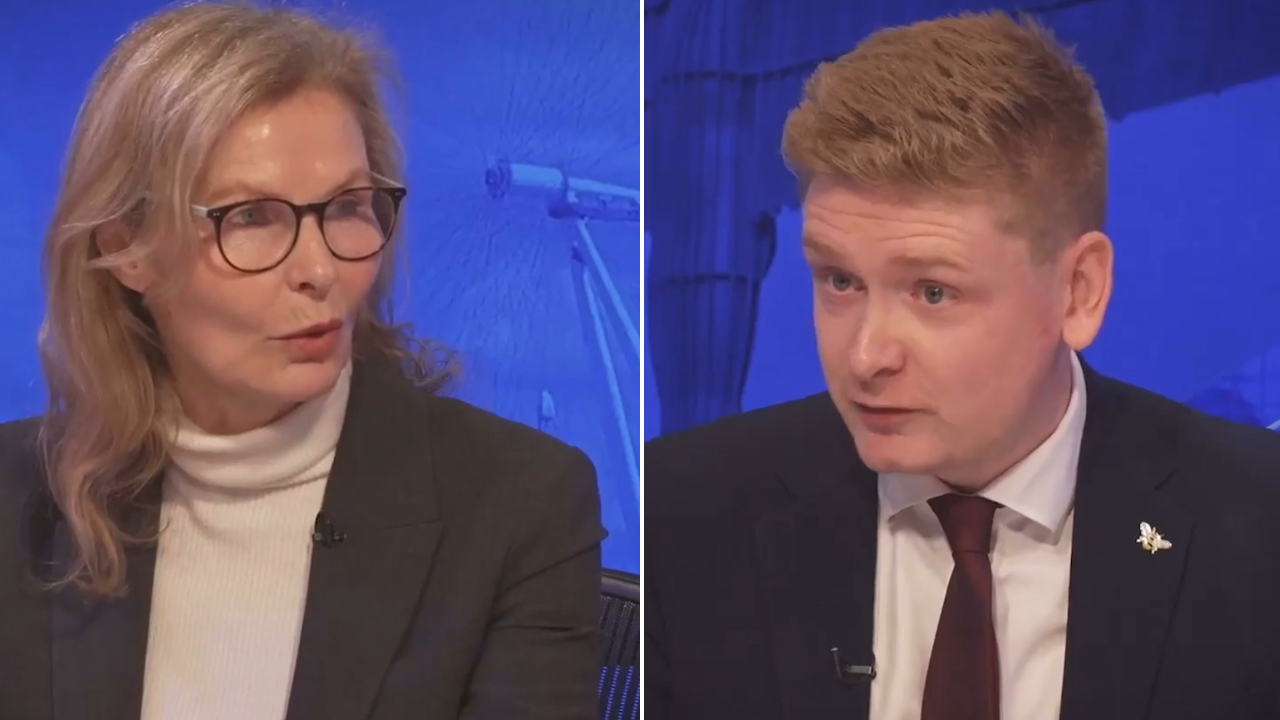
Responding to Sarah Champion, Labour MP for Rotherham, in the House of Commons, Ian Murray said: "We took the decision in the Green Paper to turn off digital terrestrial television, but the issue is what date we use… it will be either 2034 or 2044.
"We have made a decision on what we will do, but not on when we will do it."
A White Paper due to be published soon will recommend the switch-off date, Mr Murray added. That's when you will find out how long your television aerial has left.
Freeview relies on a rooftop or indoor aerial to unlock access to over 100 television channels and radio stations, with no monthly subscription required. On the face of it, streaming can be more convenient, since you're not restricted to where the aerial is fitted so place your television anywhere at home.
However, there are downsides.
Aside from the mandatory £180 annual TV licence fee, there is no cost to connecting to an aerial and watching linear television. Likewise, if you own a satellite dish, Freesat lets you watch dozens of free-to-air channels at no cost.
But broadband-based television requires an internet connection. Freely requires a minimum download speed of 10Mbps, which could potentially add between £10 – £15 a month to your household bills.

That's an extra £120 a year to watch the same shows available via Freeview. If streaming became the only way to watch free-to-air channels in the UK, millions of UK viewers could be "forced into paying for broadband". And that estimate is on the conservative side. Peers on the Lords National Resilience Committee warned last week that a forced move to internet-only TV could cost households an additional £218 a year to access high-speed broadband.
The committee warned that ending broadcast TV would cut pensioners and other vulnerable people off from a vital source of communication, and urged the Government to drop the plan altogether. It warned that the UK's "tall tower" TV masts could be the only reliable network able to send emergency messages if a Russian or Iranian cyberattack caused an internet blackout.
Committee chair Baroness Coussins said: "In a national emergency, access to reliable information can be a lifeline. Switching off digital terrestrial television risks leaving millions of people, particularly older and more vulnerable groups, without a vital source of communication."
A nationwide switch-off also comes with a significant caveat: households without sufficiently fast broadband would lose their access to television altogether.
The UK is targeting 99% broadband coverage by 2030, but coverage alone does not guarantee adoption. Ofcom will review whether the Freeview switch-off timetable needs to be extended to reflect how quickly households actually make the transition.
According to the House of Commons Library, 17% of UK households were completely reliant on Freeview to watch television back in 2023 – meaning these homes did not use satellite, cable, or streaming.
LATEST DEVELOPMENTS
- Why a second-hand PlayStation 5 now costs more than Sony charged for a brand-new console six years ago
- Plans to axe Freeview could risk communications blackout for millions, House of Lords warns
- Your Disney+ will cost more from today as US streamer hikes prices for third time in 3 years
- Apple HomeView review
- Deadline to switch off traditional UK landlines will NOT be postponed, BT warns
Labour MP Sarah Champion told a Commons debate last Monday that this month's global Microsoft outage, which left millions of people unable to access their communications, "showed us what happens when digital goes down". She asked the Government to "rule out switching off terrestrial television – the back-up that keeps working when digital goes down".
Alliance MP Sorcha Eastwood said her Northern Ireland constituency is home to a "90-year-old transmitter that still transmits analogue", warning that "if the Government go ahead with their plan to switch off analogue, it will cut off people".
Mr Murray said the issues she raised would be considered when the timing is decided, but that the Government has "already made the choice that we will switch off digital terrestrial television".

The Broadcast 2040+ campaign, which brings together more than 30 organisations including the Digital Poverty Alliance and Rural Services Network, has warned the switch would hit households in the pocket. A spokesperson told GB News: "Forcing households onto broadband simply to watch basic TV would impose new costs and create new exclusions. If the Government were to underwrite the cost for those who cannot pay, it could easily cost £1billion per year – an ongoing liability, with people losing their TV if it were ever withdrawn."
Dennis Reed, director of Silver Voices, the campaign group for older people, warned: "Andy Burnham would be bonkers to proceed with this premature plan. Most affected would be low-income families and pensioners who will not be able to afford the [broadband] contracts, and those in isolated and rural communities who cannot receive fast broadband at all."
Mr Reed added: "Mark my words, if the Freeview switch-off goes ahead it will become Burnham's winter fuel moment."
Everyone TV, which operates Freeview and its successor, takes a different view, with Chief Executive Jonathan Thompson stating: "National resilience and universal access are vital, but retaining digital terrestrial TV (DTT) indefinitely will not achieve that.
"With more than half of homes not using DTT today and only 9% expected to in 2034, resilience planning should instead focus on the networks with the widest reach and strongest emergency capability: radio and mobile — in line with Government's advice to the public."
Broadcasters, including the BBC, ITV and Channel 4, have backed a transition to internet-based telly, stating that it costs them vast sums to maintain broadcast signals used by a declining number of people. The BBC has teased plans to build its own Roku or Fire TV Stick competitor to make streaming more accessible to UK households.

The UK Government has said it is "committed to ensuring that no one is left behind as TV viewing increasingly moves online", and that any switch would only go ahead once "the right safeguards, infrastructure and support are in place so that everyone can continue to access television affordably and with confidence".
For free-to-air broadcasts to continue beyond the current 2034 deadline, the UK Government will need to extend multiplex licences to allow television channels to continue to leverage the Digital Terrestrial Television (DTT) platform to broadcast over the airwaves nationwide.
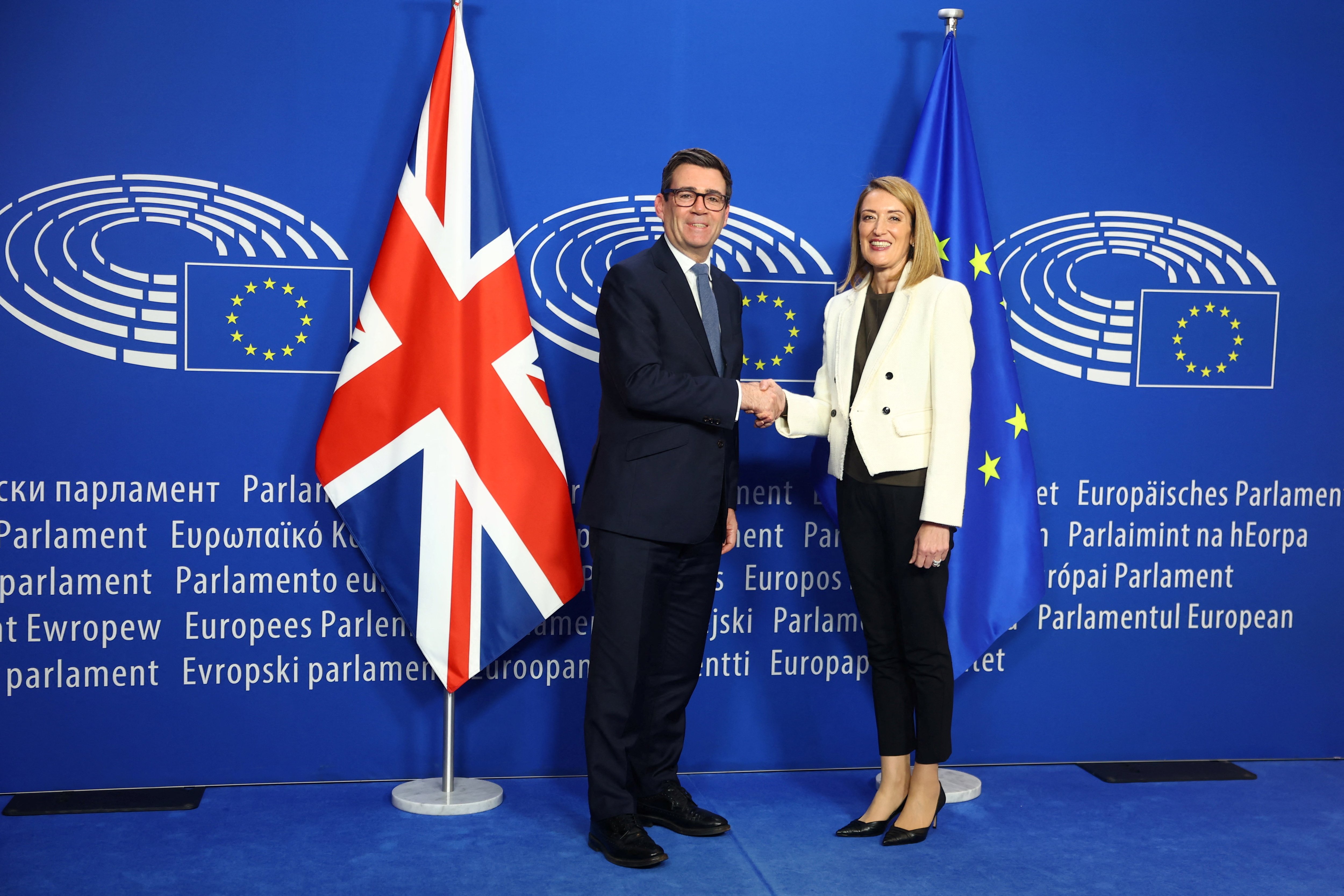
Prime Minister Andy Burnham has suggested the timetable could yet be looked at again, after Conservative MP David Mundell asked him in September whether he would review the 2034 switch-off. Mr Burnham said: "I know some of my constituents in Makerfield rely on Freeview. There is perhaps an opportunity to look at this as part of the BBC Charter renewal process."
The terms of the new BBC Charter will be set out in a White Paper that ministers are due to publish next month. Whichever of the two dates suggested by Mr Murray is eventually chosen, your aerial will keep bringing you free TV until at least 2034.
Our Standards: The GB News Editorial Charter
What's Your Reaction?
 Like
0
 Dislike
0
 Love
0
 Funny
0
 Angry
0
 Sad
0
 Wow
0