






Andy Burnham exempts European students from fresh tax raid as part of Brexit betrayal
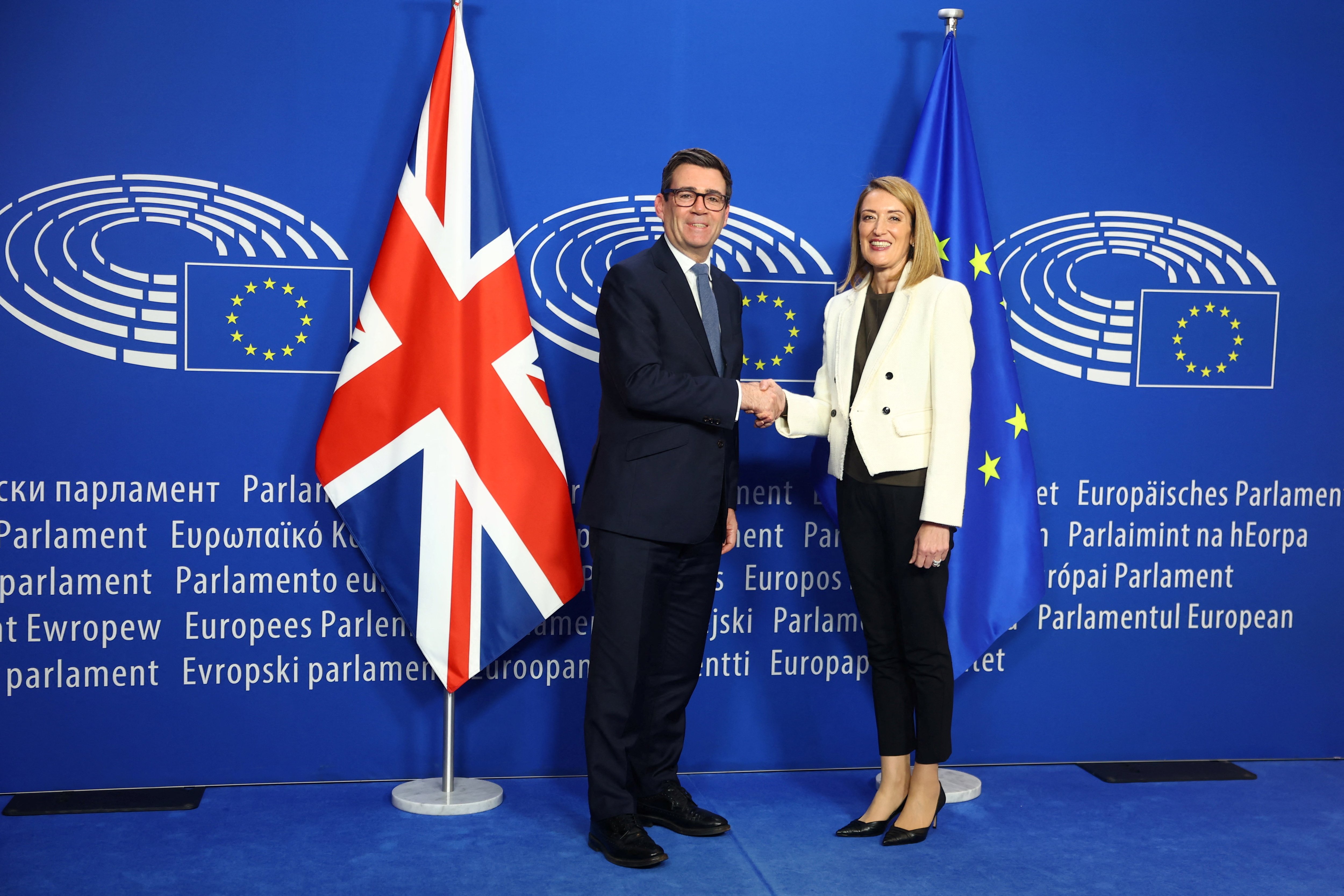
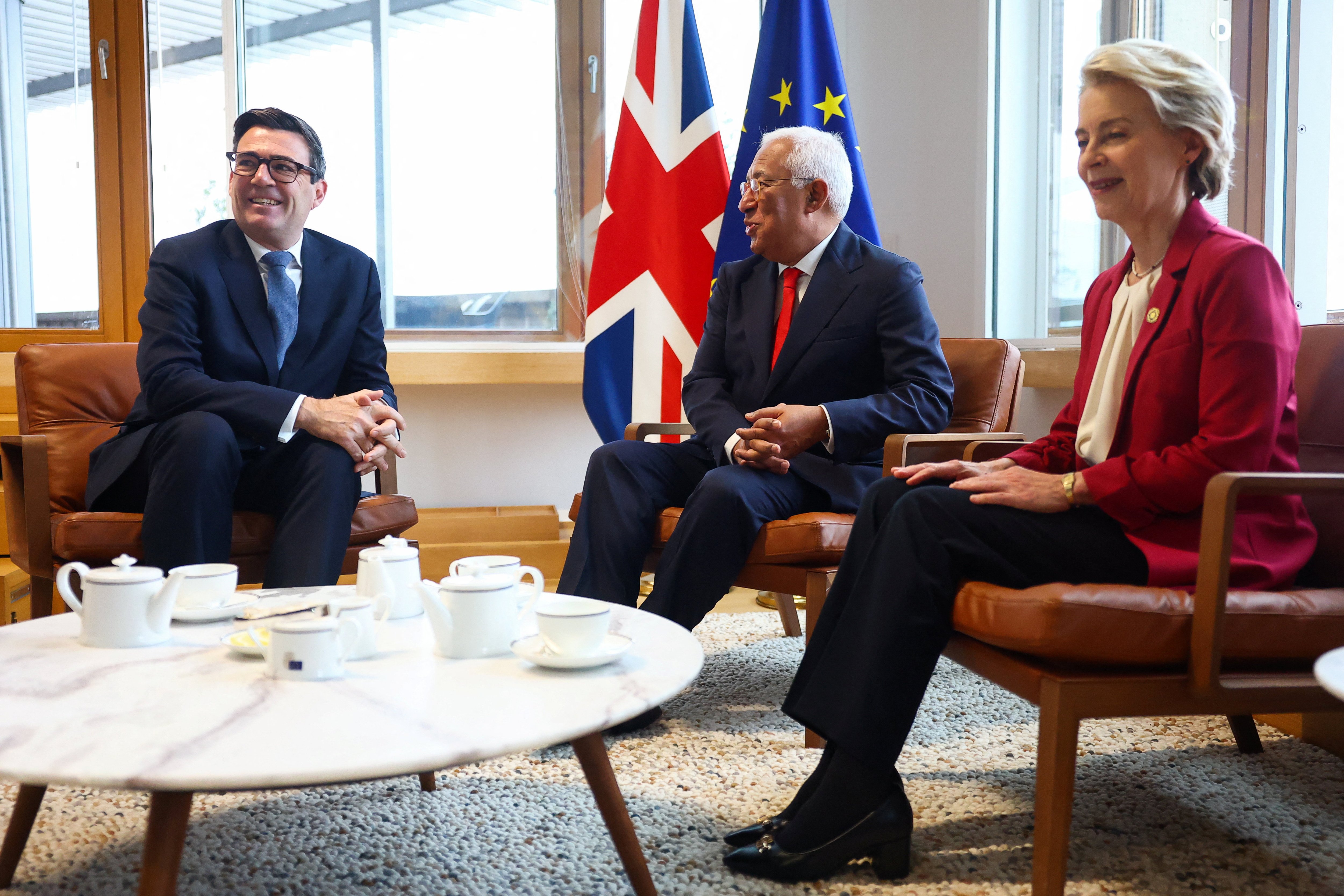
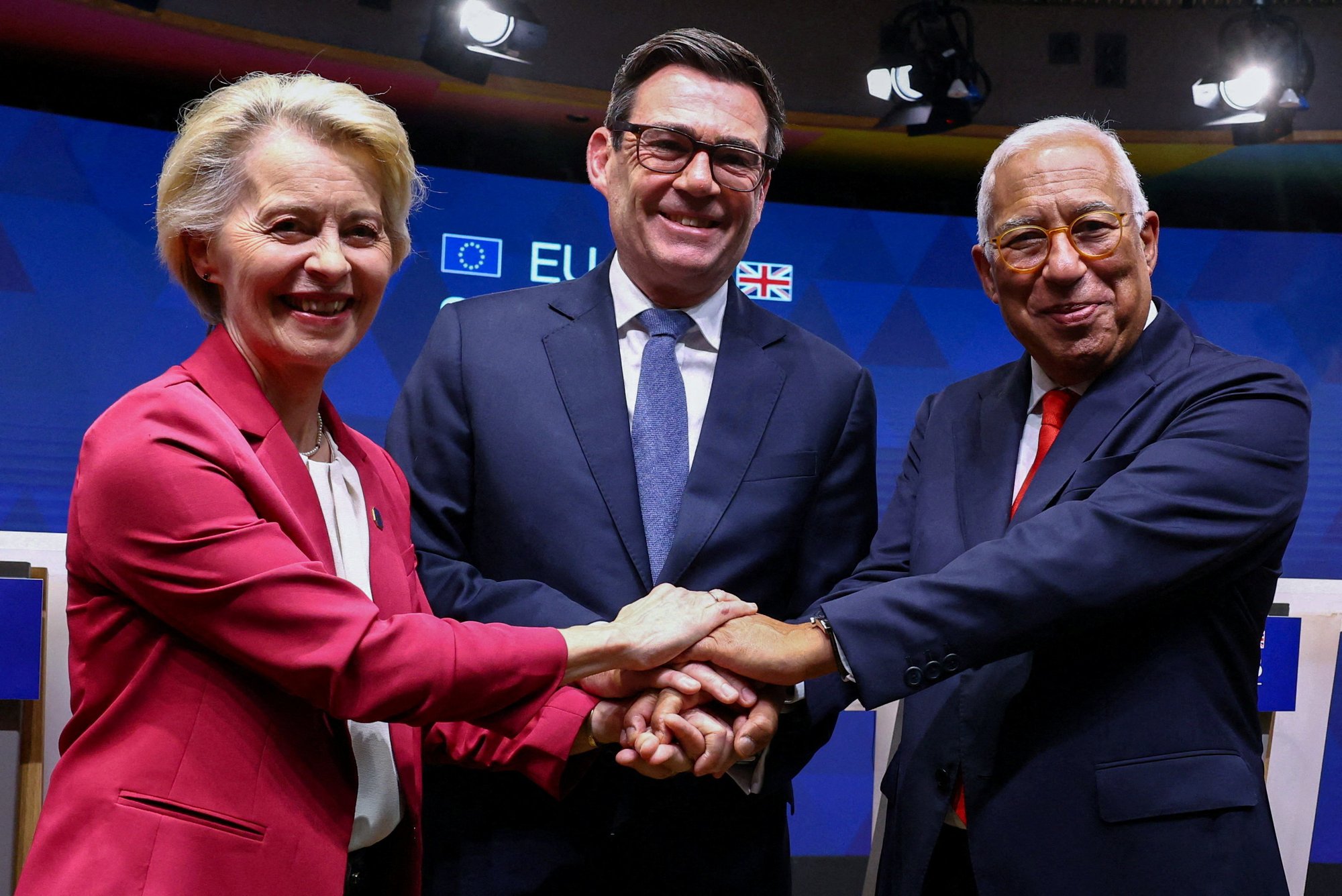
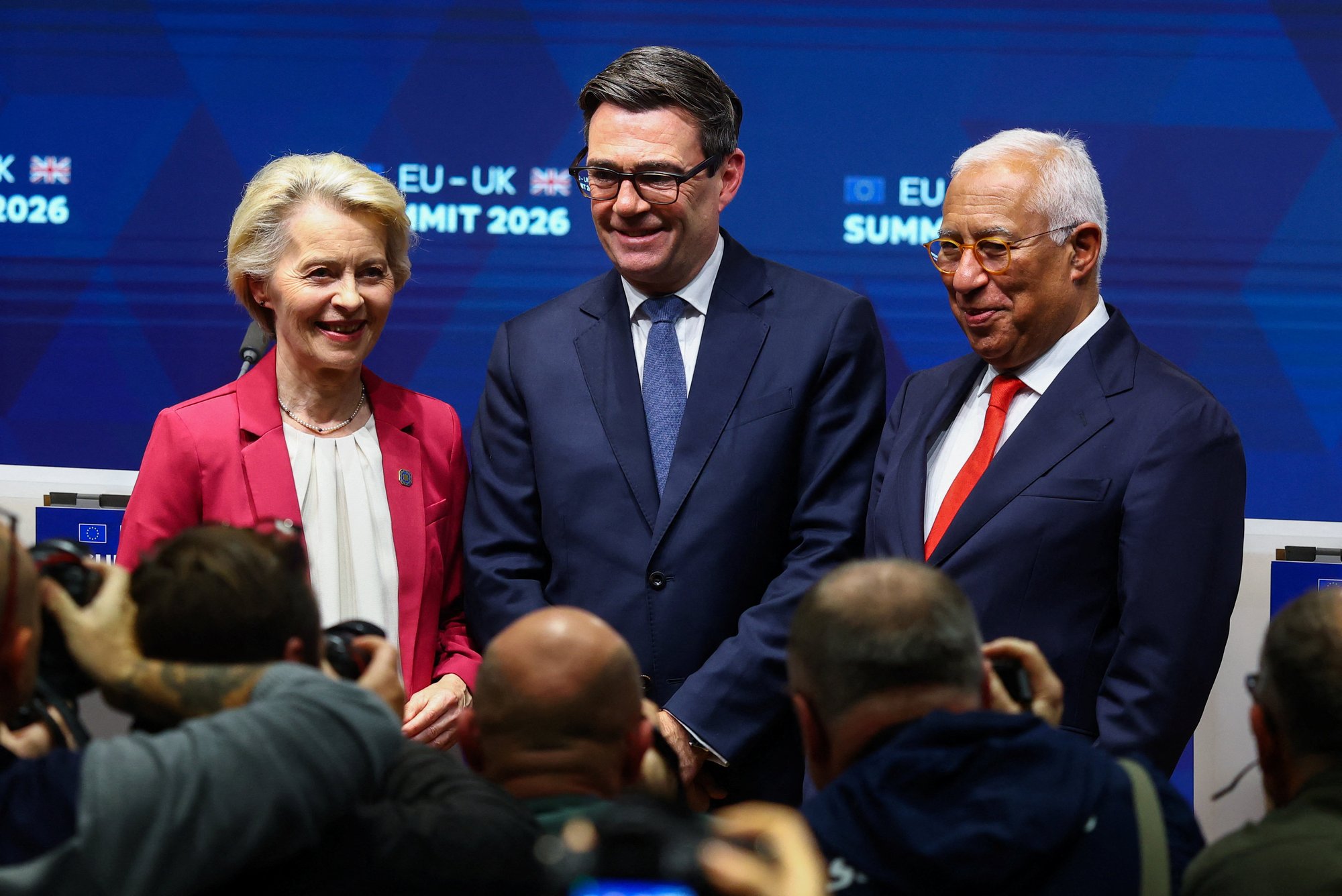
Andy Burnham is preparing to protect EU students from the new international student levy, as part of efforts to secure his reset agreement with Brussels.
Under the £925-per-year tax, which takes effect from 2028, universities will be required to pay the charge for each overseas student they enrol.
The measure is designed to generate £400million annually, with proceeds directed towards means-tested maintenance grants for disadvantaged British students.
However, carving out European students from the levy threatens to blow a significant hole in the Treasury's calculations. Should EU student numbers recover to pre-Brexit levels - when 119,600 were studying in the UK during the 2020-21 academic year - the exemption would deprive the Treasury of more than £110million each year.
The concession forms part of broader negotiations in which Brussels has insisted on "equal treatment" regarding tuition fees for its citizens.
Conservative leader Kemi Badenoch savaged the plan, telling The Telegraph: "This is getting ridiculous. At the Budget, Labour introduced a new tax on universities taking international students, and now it looks like Andy Burnham is preparing to exempt EU students just to keep Brussels happy."
She added: "He's got himself into a complete mess. Either British taxpayers lose out on money Labour was counting on, or universities have to pay the levy for every European student they take.
"That risks putting them off accepting EU students altogether, which will infuriate the EU bureaucrats. Mr Burnham is completely snookered, and it’s entirely his own doing."

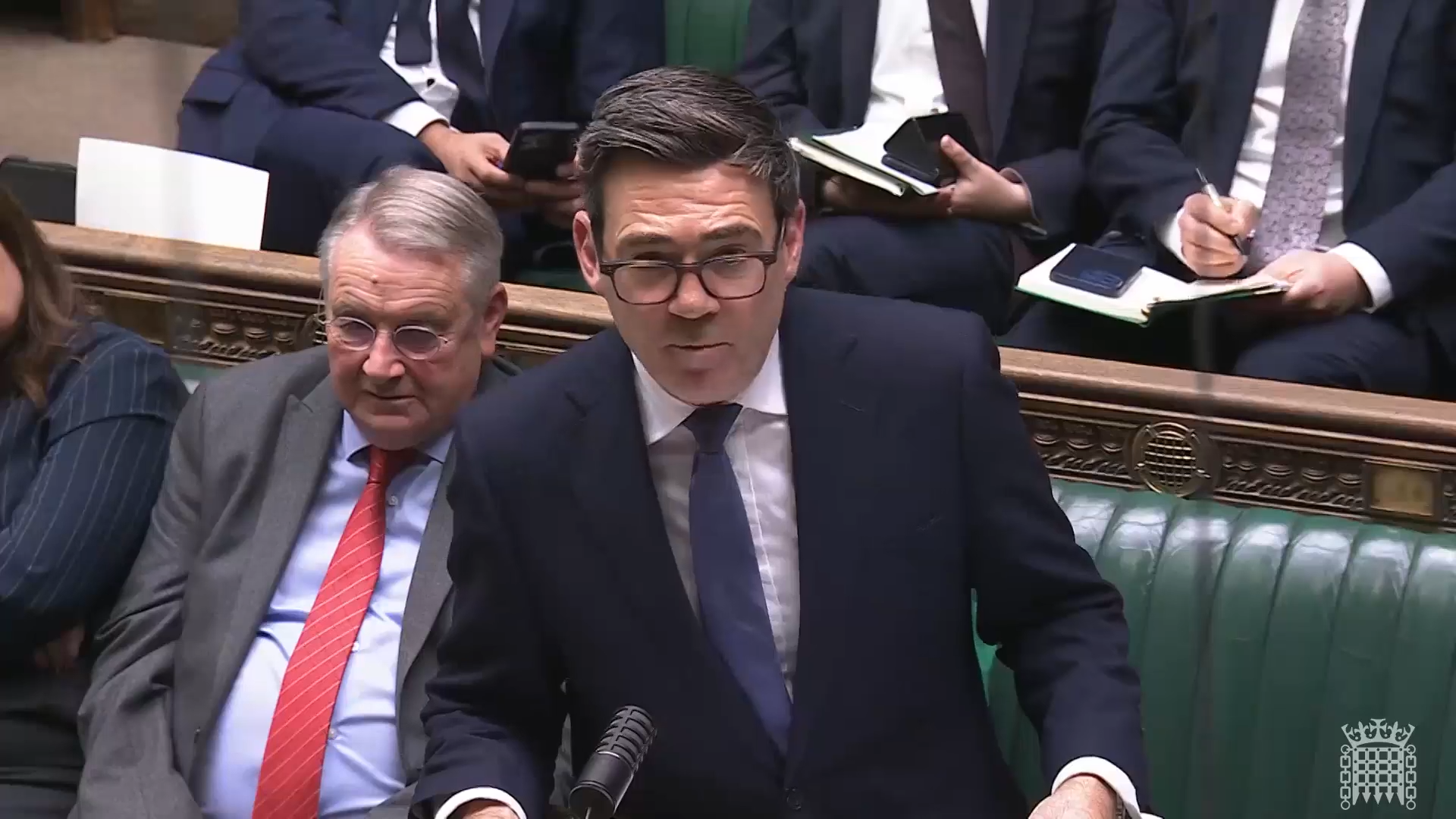
Speaking in the House of Commons on Monday, Mr Burnham said the "question of tuition fees for UK universities" will be discussed in "separate negotiations" with the EU.
Brussels has treated the tuition fees question as a firm red line, with EU officials making clear they will not ratify any agreement unless a compromise is reached on the issue.
British negotiators had proposed a substantial reduction, offering to slash annual fees for EU students from approximately £38,000 to around £12,000. The EU dismissed this on Friday morning, just hours before Burnham travelled to Brussels to put his signature to the reset deal.
Within the terms of the agreement, officials have demanded that European students receive equal fees with domestic counterparts within six months - a step that could cost the government as much as £450million annually to compensate universities for the lost fee income.
LATEST POLITICS NEWS
- Richard Tice demands end to Cop after longest climate summit ever ends in failure
- EU diktats could charge Britons for making cup of tea during TV breaks
- Has Andy Burnham given the game away on Brexit? PM hints at plan to ‘rerun referendum’

Foreign Secretary Ed Miliband sought to calm concerns on Saturday, insisting the broader deal would come into force in 2028 regardless of whether the tuition fees dispute was settled within that six-month window.
The university sector has voiced alarm at the prospect of absorbing both reduced EU fees and the new levy simultaneously. A senior university source described the sector as "concerned" about this "double hit."
Libby Hackett, chief executive of the Russell Group, which represents 24 of Britain's leading universities, called on ministers to abolish the levy altogether.
She acknowledged that targeted exemptions would partially soften the blow but cautioned against underestimating "what this potential loss could mean for one of the UK's most valuable national assets."
The levy is projected to bring in £400million during its first year of operation in 2028-29, with that figure climbing to £480million by 2030-31.
A government spokesman pushed back against the reported figures, stating: "We do not recognise these speculative figures. Talks on tuition fees are ongoing and nothing has been agreed."
The spokesman added: "Any agreement would be reciprocal and in our national interest, creating opportunities for young people in the UK while working for our universities."
Our Standards: The GB News Editorial Charter
What's Your Reaction?
 Like
0
 Dislike
0
 Love
0
 Funny
0
 Angry
0
 Sad
0
 Wow
0