













Ftse 100 down as election losses 'erode confidence' in Labour stability
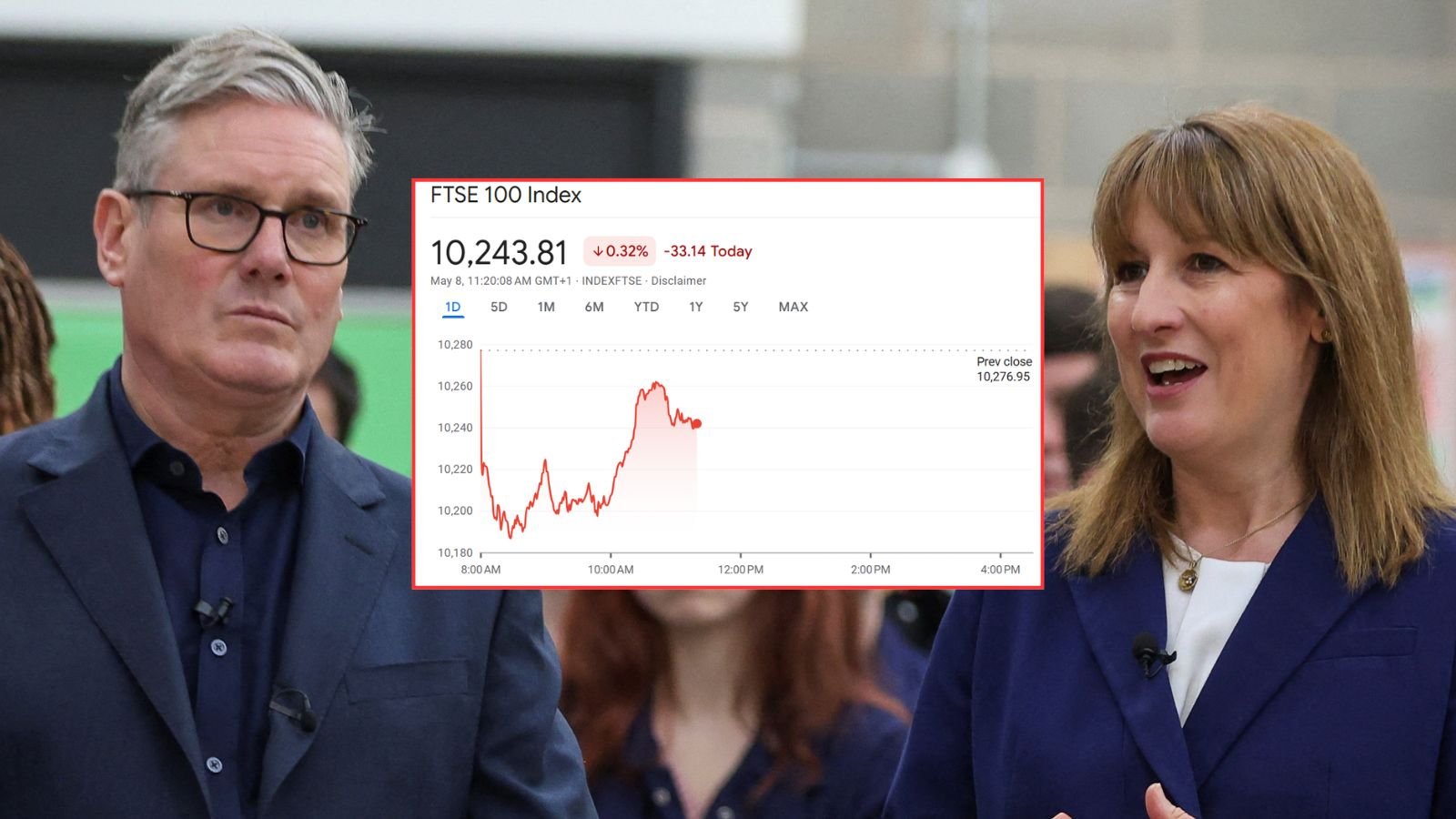
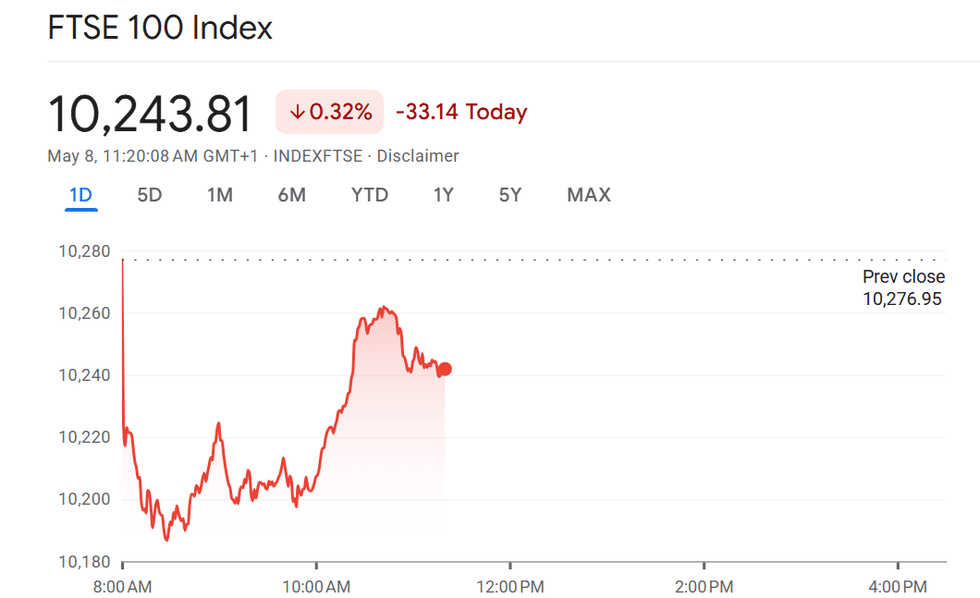
The FTSE 100 tumbled on Friday morning as investors grappled with a difficult combination of Labour's painful local election performance and escalating tensions in the Middle East.
London's benchmark index dropped 55 points to 10,222, having fallen as much as 80 points in early trading to touch 10,196.
Brent crude surged above $100 per barrel following exchanges of fire between the United States and Iran in the Straits of Hormuz, reintroducing energy supply concerns that markets had begun to discount.
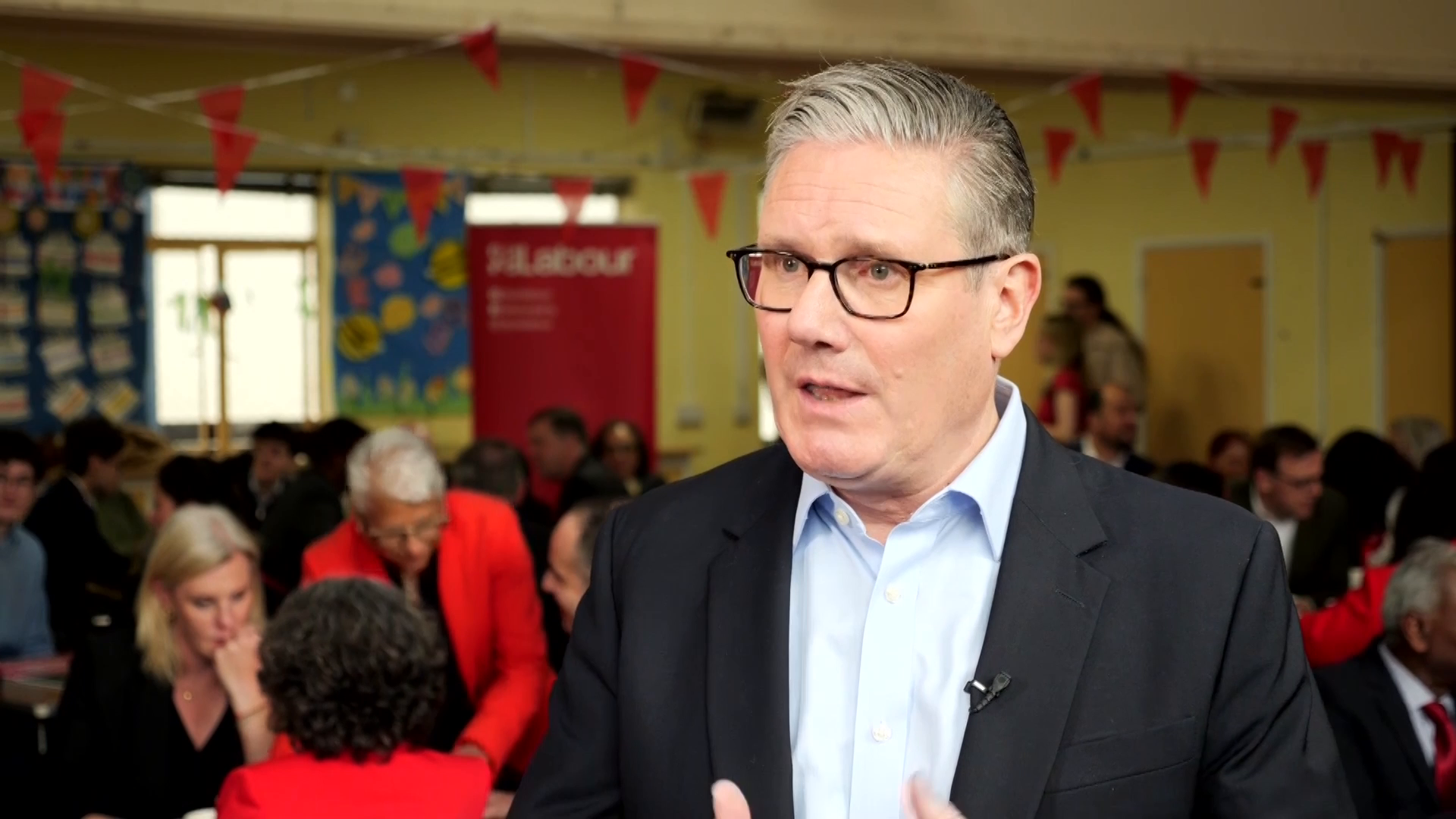
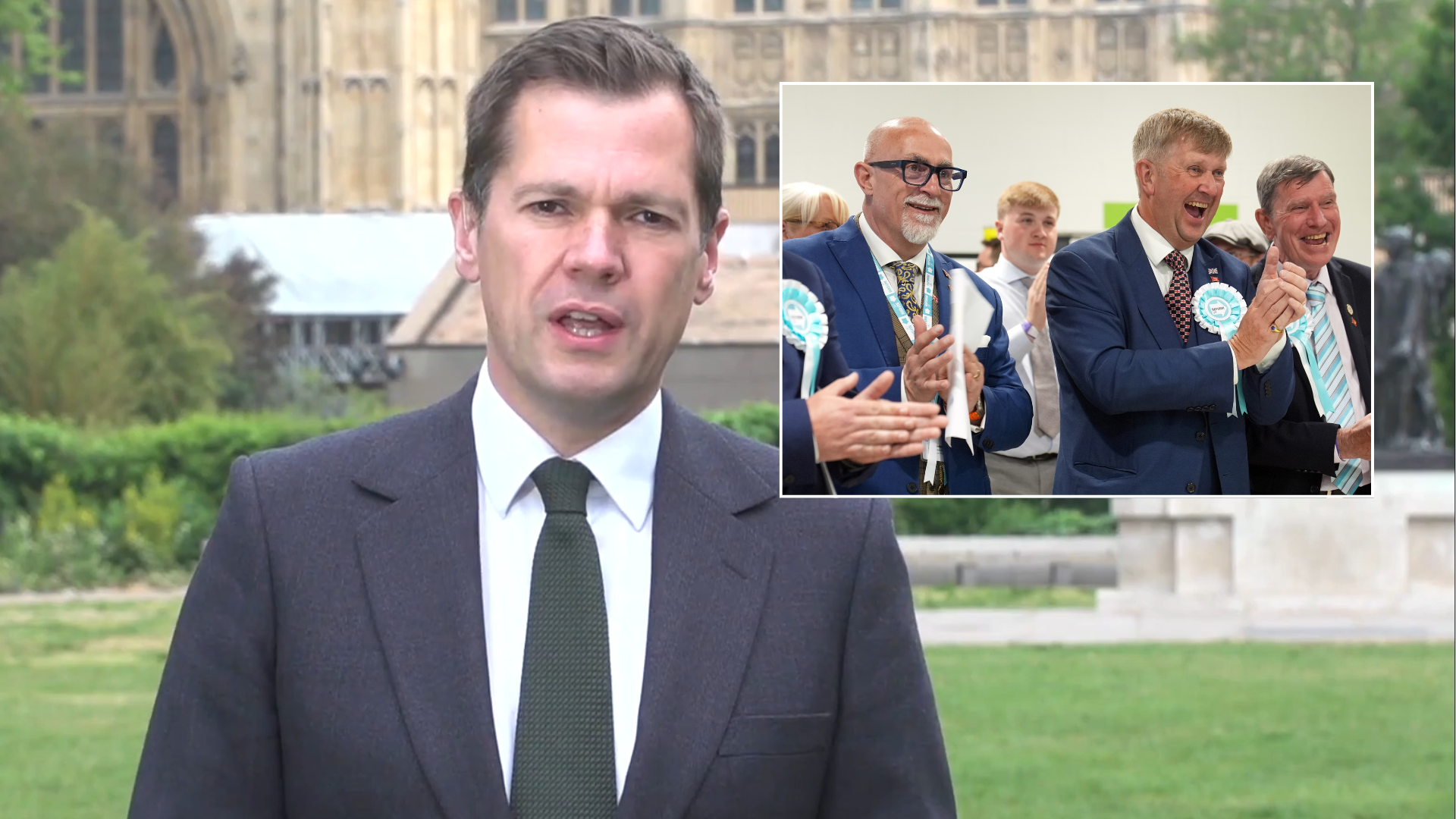
Reform made sweeping gains overnight as results filtered through, heaping pressure on Prime Minister Keir Starmer and raising uncomfortable questions about the Government's stability.
Patrick Munnelly of Tickmill Group summarised the twin challenges facing UK markets: "The global story is oil and Hormuz; the UK story is whether political pressure further erodes confidence in the policy mix."
UK Government bond markets remained under strain as the political fallout continued to unfold.
The 30-year gilt yield, widely regarded as a more reliable indicator of political sentiment than the standard 10-year benchmark, stood at 5.628 per cent on Friday morning.
Earlier in the week, it had climbed to 5.8 per cent, marking a 28-year high that underscored investor unease about the country's political direction.
The shift has been dramatic: just three months ago, the same yield sat at five per cent.
The 10-year gilt yield hovered just below 4.9 per cent, while sterling held steady around $1.360, though the pound has struggled to break decisively above its recent trading range.
Neil Wilson of Saxo Markets warned that bond markets remain acutely sensitive to political developments: "There's a chance the political scene goes a bit woo-woo, and bond markets are very attuned to this."
Dan Coatsworth, head of markets at AJ Bell, explained that bond investors have grown nervous about the prospect of a change at the top of government.
"Bond markets have been spooked by the prospect of political change as the obvious challengers, Angela Rayner and Andy Burnham, might push for greater government borrowing and spending, which could take gilt yields even higher," Mr Coatsworth said.
The concern centres on whether potential successors would maintain the Chancellor's commitment to fiscal restraint.
Ms Reeves and Mr Starmer are viewed as operating in tandem, meaning her position could become untenable if the Prime Minister were forced out.

Mr Coatsworth warned that any replacement might lack Ms Reeves' patience and could abandon her carefully constructed approach to managing the public finances.
The Chancellor had spent months rebuilding market confidence through her measured approach to fiscal discipline, and that effort had yielded results.
Between October 2025 and February 2026, gilt yields trended steadily lower as bond investors grew comfortable with her strategy.
"Reeves had just got to the point where markets seemed comfortable with her strategy, and now that trust could disappear into thin air," Mr Coatsworth said.
He emphasised that bond investors favour stability and dislike uncertainty, making Mrs Reeves' cautious stewardship precisely what they wanted.
While Mr Coatsworth stressed that the current situation does not yet resemble the chaos of Liz Truss's 2022 mini-Budget, the memory of that episode looms large.
The bond vigilantes who forced Mrs Truss from office remain watchful, ready to push borrowing costs higher if they sense fiscal discipline slipping.
Gilt yields had already been climbing since March, initially driven by developments in the Middle East before political uncertainty compounded the pressure.
Rising oil prices carry inflationary implications, and central banks typically respond by holding or increasing interest rates.
Interest rate expectations have shifted dramatically, moving from discussions of cuts earlier in the year to markets now pricing in two rate hikes, most likely in July and November.
Mr Wilson noted that any perception of a weakened or destabilised government could push yields higher still, against an already challenging backdrop of persistent inflation and constrained fiscal headroom.
Polymarket placed the odds of Mr Starmer departing by the end of June at roughly evens, suggesting the political uncertainty weighing on markets is unlikely to dissipate quickly.
The Footsie, in the meantime, has retraced more of the morning's losses. It's now at 10,268.59.
Our Standards: The GB News Editorial Charter
What's Your Reaction?
 Like
0
Like
0
 Dislike
0
Dislike
0
 Love
0
Love
0
 Funny
0
Funny
0
 Angry
0
Angry
0
 Sad
0
Sad
0
 Wow
0
Wow
0