



Labour admits Britain will now pay ‘hundreds of millions’ to the EU as part of Andy Burnham’s Brexit reset deal
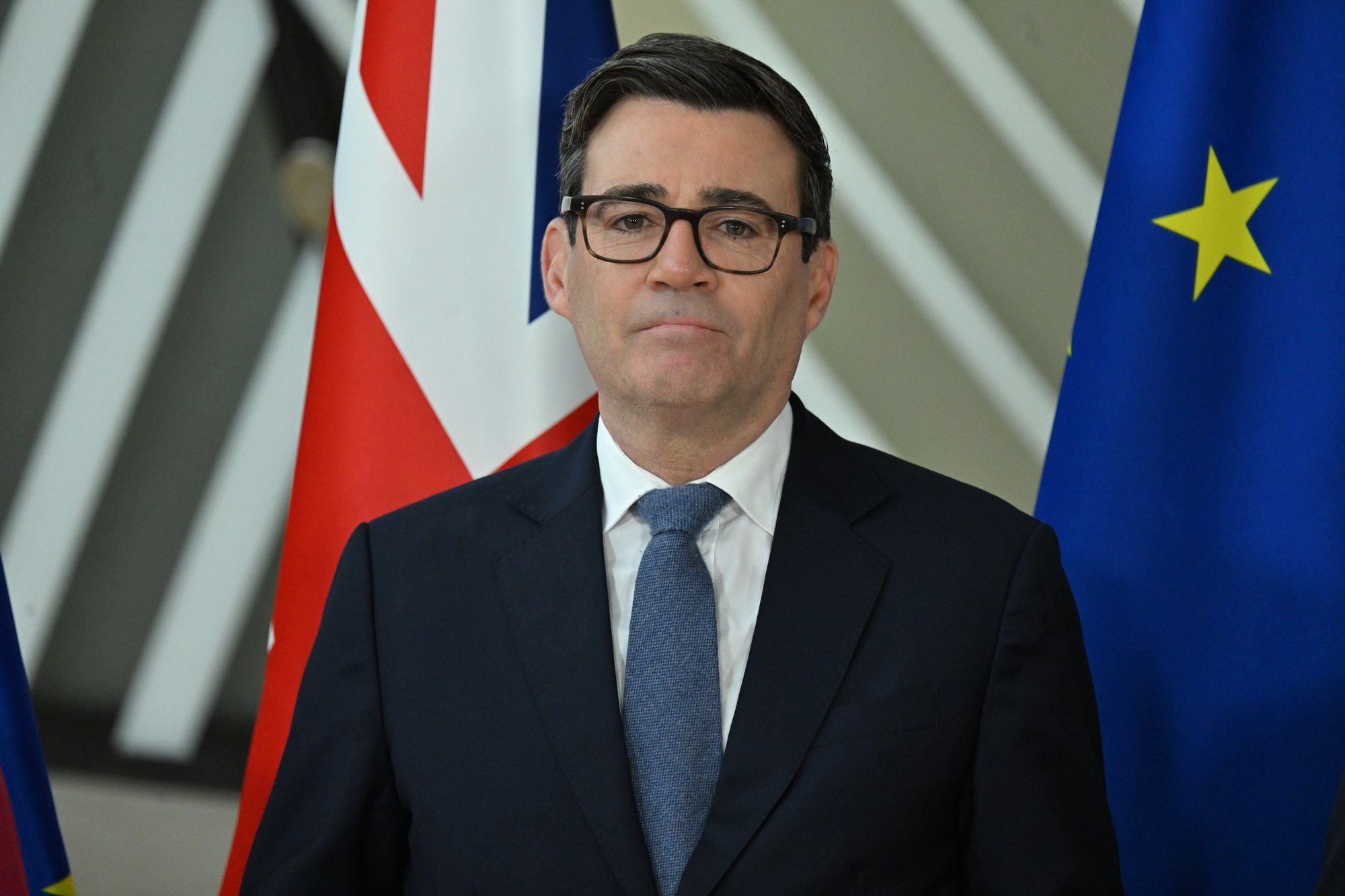
Labour has admitted the UK will be forced to pay the EU “hundreds of millions” as a “participation fee” under Andy Burnham’s Brexit reset deal with Brussels.
Treaty documents reveal an additional 4 per cent surcharge will be piled on Britain’s core financial contribution to the bloc.
Labour Environment Minister Emma Hardy said that the fees to the bloc, payable in Euros, are expected to be in the “low hundreds of millions”.
While Ms Hardy admitted she would have to “double-check” the figures, she insisted the eye-watering sums would be “a contribution fee towards the cost of administering the border”.
EU officials consider it part of a “pay-to-play” financial settlement to be extracted from the UK.
The levy will underpin agreements to scrap border checks on food and drink exports and reconnect British and European carbon markets.
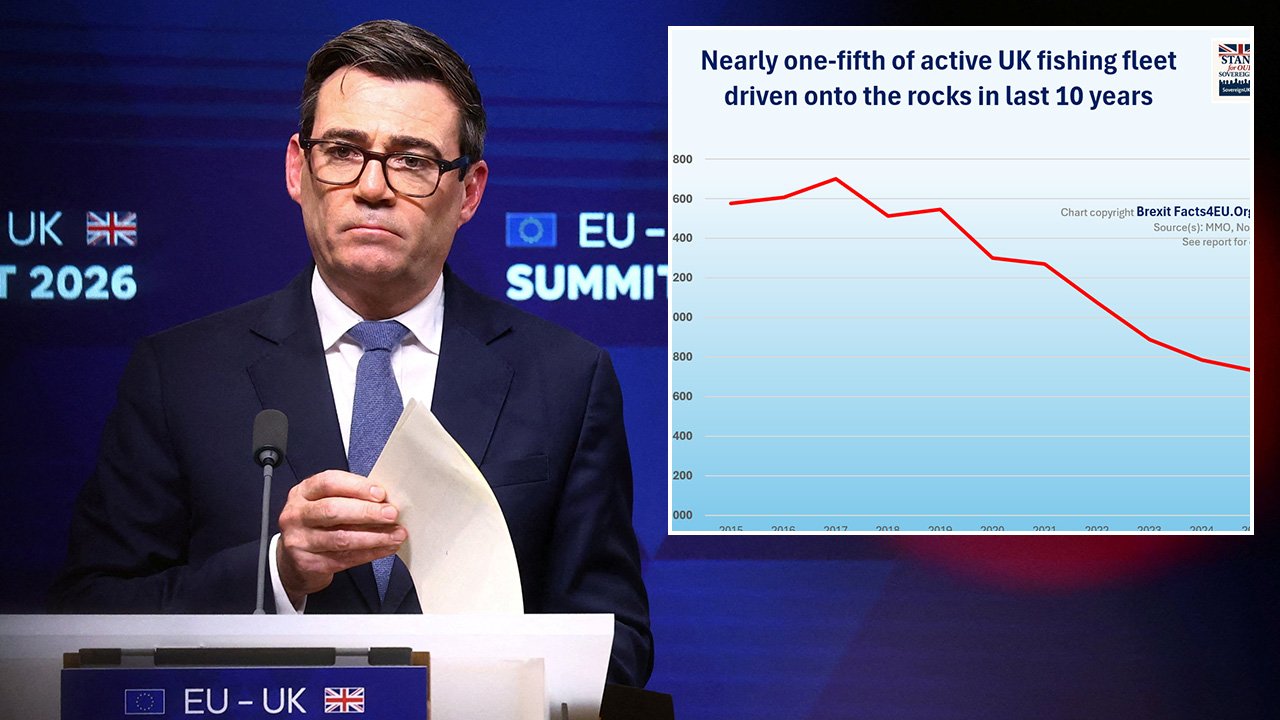
Mr Burnham signed both deals in Brussels last week, and they are designed to take effect during 2028.
Labour had previously acknowledged it would bear some administrative costs, but the precise mechanism has only now emerged in the legal texts accompanying the agreements.

Ministers insist the economic benefits of smoother trade will dwarf the financial outlay, though no full cost estimate has been made public.
Under the treaty terms, Britain's main “operational contribution” payment will be calculated in proportion to the size of the UK economy relative to the EU's.
It will broadly mirror the formula EU member states use to divide their principal budget contributions.
The 4 per cent participation fee is then applied on top of that figure.
LATEST DEVELOPMENTS
- Labour on brink of civil war over Rosebank oilfield as 96 MPs demand Andy Burnham abandons it
- Huntingdon train attack survivor speaks to GB News after knifeman found guilty of attempted murder
- Exposed: The staggering true cost of Labour's double surrender to the EU on fishing

The funds will support three EU agencies and the systems needed to administer the food standards and emissions trading arrangements.
Despite publishing the payment formula, the government has not yet released an estimate of the total additional bill.
Officials said annual costs would fall in the low tens of millions of pounds and would be “massively outweighed” by the predicted economic gains.
Labour have insisted the boost will eventually be worth billions a year through expanded trade.

Alongside the financial commitments, ministers introduced the “cutting costs” bill to Parliament yesterday, seeking sweeping authority to transpose EU regulations directly into British law without requiring a full vote on each occasion.
The food standards agreement alone obliges the UK to adopt dozens of EU food-related laws updated since Brexit, along with any future rules in those areas.
Meanwhile, the carbon trading deal carries similar alignment obligations.
Ministers argue that routing every individual rule change through a complete parliamentary process would be unworkable, given the volume of legislation involved.
Under the arrangement, described as “dynamic alignment”, broad swaths of European regulation would automatically be imported into the British statute book.
Our Standards: The GB News Editorial Charter
What's Your Reaction?
 Like
0
 Dislike
0
 Love
0
 Funny
0
 Angry
0
 Sad
0
 Wow
0