






Labour to unveil major EU reset legislation with £17bn boost promised to British economy
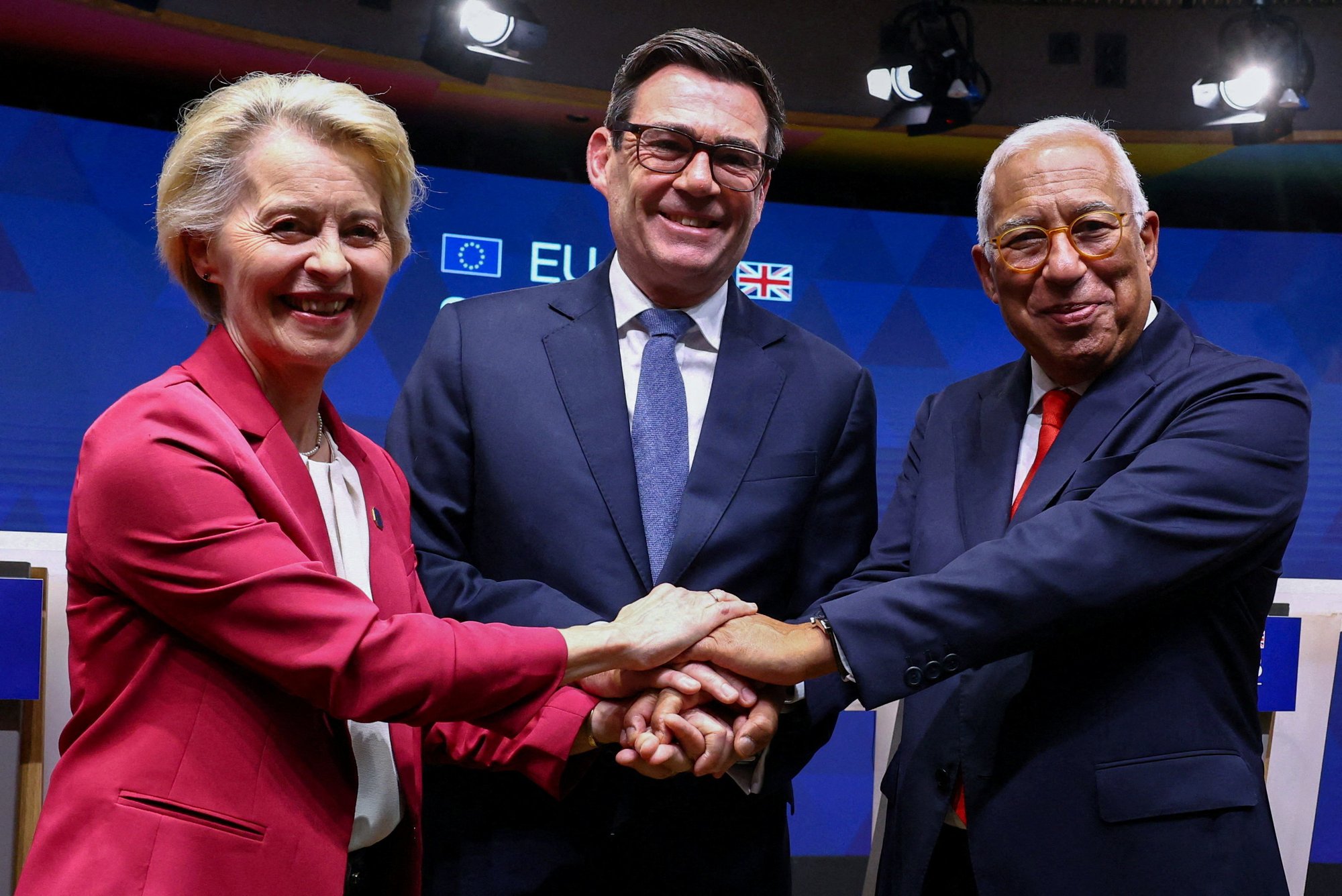
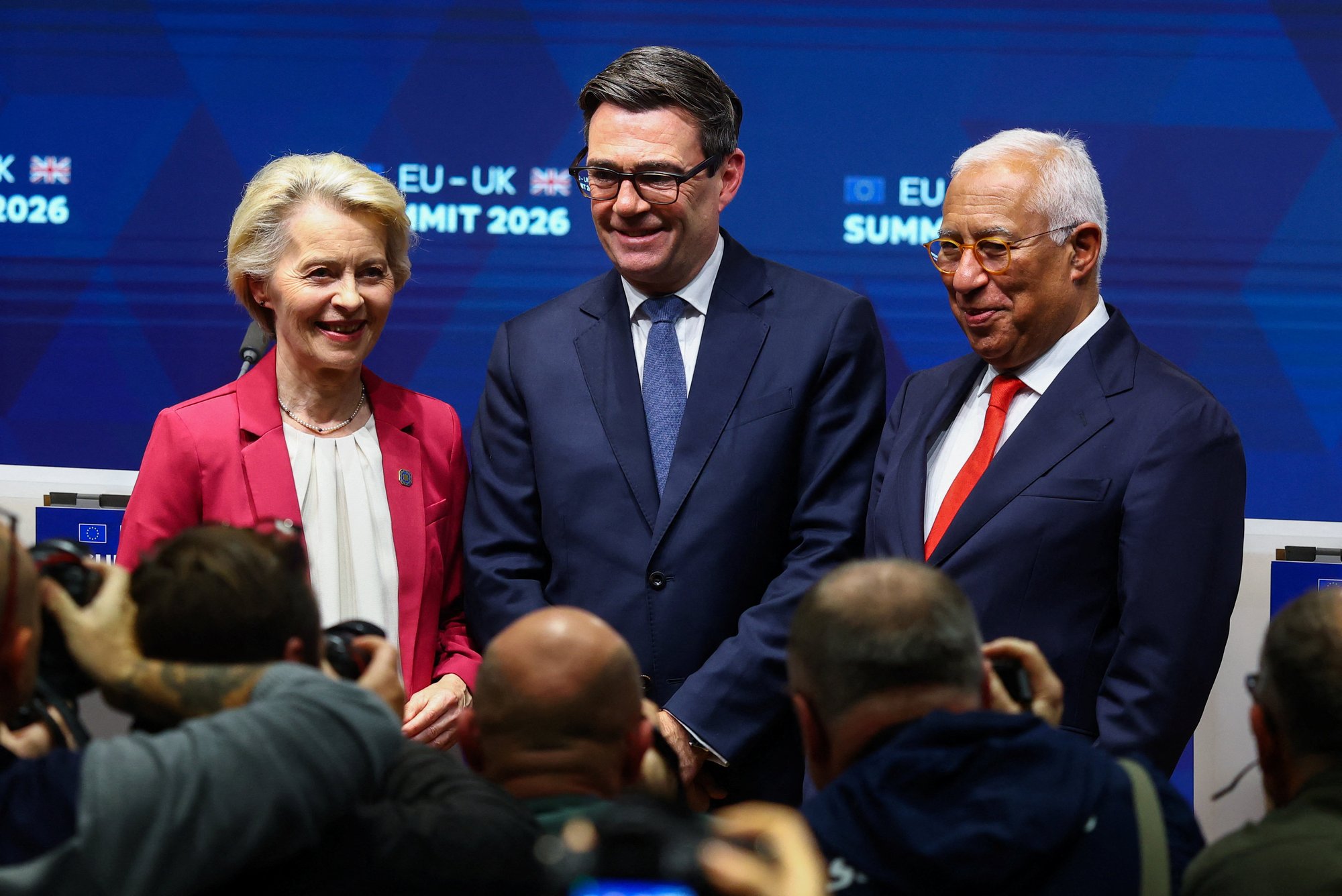
The government will bring the Cutting Costs Bill before Parliament on Thursday, paving the way for the benefits of this week's landmark UK-EU agreements to reach British consumers and businesses.
The suite of deals signed by the Prime Minister could deliver £17billion annually to UK GDP by 2040.
The legislation is said to enable alignment with EU standards, and strip away some of the checks, paperwork and bureaucratic hurdles that have weighed on cross-border commerce since Brexit.
While some industry groups and major businesses have welcomed the agreements, many have stressed that the gains will only materialise if the government meets its implementation deadlines and provides clear, timely guidance to firms navigating the transition.
Among the most significant agreements is the agri-food and drink deal, announced on Friday, which is projected to contribute up to £5.1billion per year to the economy.
The linking of UK and EU emissions trading schemes - creating the world's largest connected carbon market - is projected to add roughly £3.8billion annually, while a new Youth Experience Scheme will open pathways for young people to work and study on the continent.
European Relations Minister Hamish Falconer said: "British businesses have been crying out for us to remove Brexit paperwork and help ease pressure on food prices. Our Cutting Costs Bill will enable us to align with EU standards and remove the checks, paperwork and bureaucracy holding back growth."
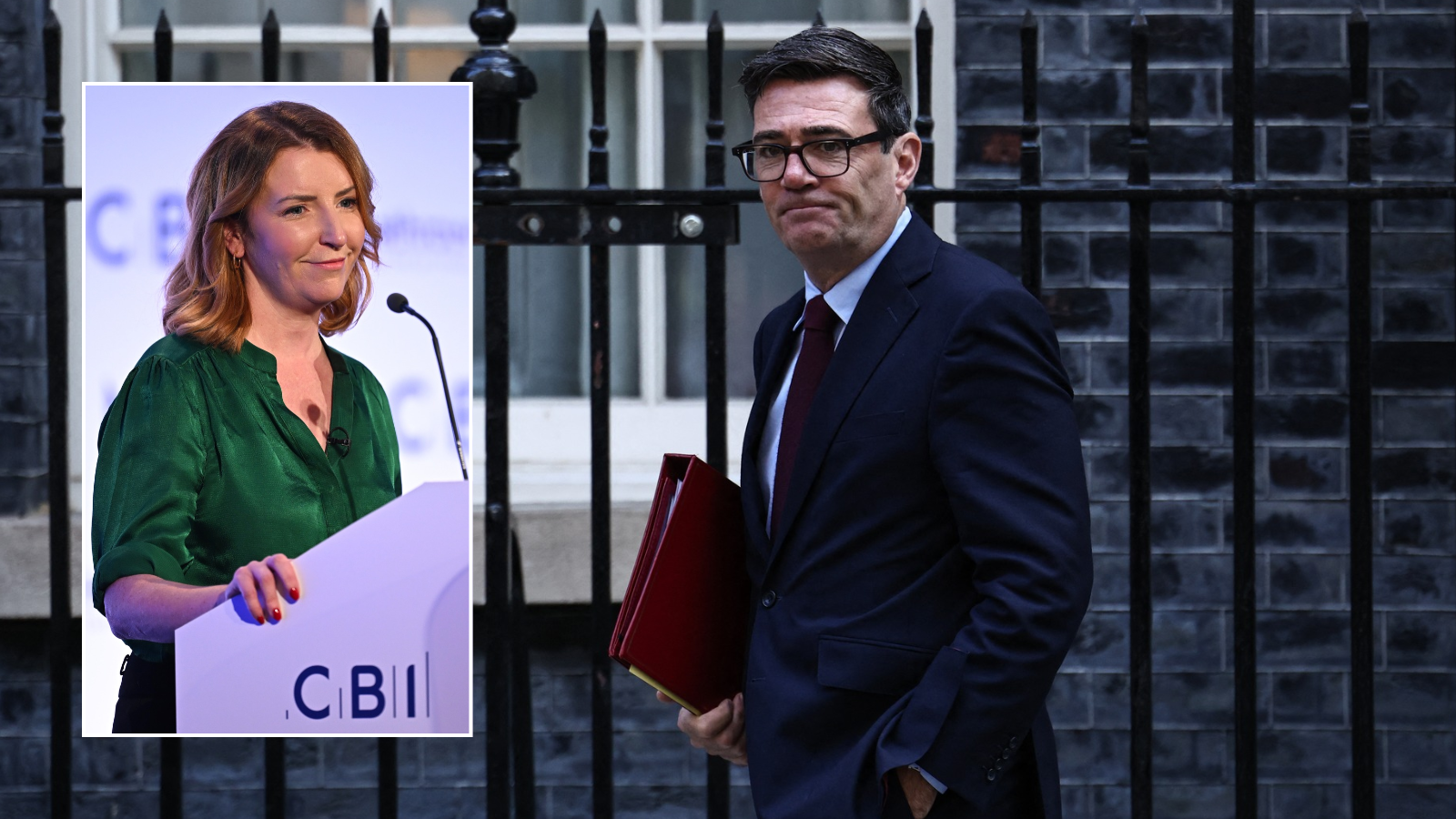
The British Chambers of Commerce described the three agreements as a major victory for businesses. Director General Shevaun Haviland CBE said: "Deadlines to implement the three agreements must now be hit, so firms know when the promised savings and opportunities will arrive, with simple guidance to help them prepare."

She urged that the summit should serve as a launchpad rather than an endpoint, calling for a broader conversation about the UK's long-term relationship with Europe.
But the meeting has also faced staunch criticism. The Conservatives slammed the reset deal, claiming it will cost the average family an extra £281 a year in energy bills.
"Labour are signing us up to a deal that lets Brussels drive up household bills, and making us pay for the privilege," Shadow Chancellor Andrew Griffith told The Telegraph.
"Cheap energy must come first, yet these exorbitant carbon taxes and levies dictated by the EU will only drive bills higher."
LATEST POLITICAL NEWS
- Andy Burnham slammed over ‘joke’ podcast appearance as TikTok star ‘fawns’ over PM during interview
- Labour on course for majority at next election as 'divided right' hands power to Andy Burnham
- Angela Rayner to put 'final roadblock in supporting young people into work', says Greene King boss

Federation of Small Businesses (FSB) data reveals that nearly two-thirds of small firms trading with the EU have encountered significant obstacles, with 64 per cent struggling with customs paperwork and one in five facing difficulties with physical inspections.
FSB National Chair Tina McKenzie warned: "This agreement must not replace one set of barriers with another. Small firms cannot afford to absorb costly changes to meet new regulations."
The Food and Drink Federation welcomed the SPS agreement but flagged concerns about the tightness of transition timescales.
Chief Executive Karen Betts said: "What's critical to food and drink businesses now is that they have sufficient time to change their supply chains, products, labelling and ingredients to comply with EU law."
She called on the government to pass the enabling legislation and publish detailed business guidance as soon as possible, ideally by March 1, 2027, to give companies adequate preparation time.

Mrs Betts also highlighted the competitive pressures facing British manufacturers as the UK market opens further to European producers.
She noted that energy costs in the UK are double the European average, saying: "Tackling the cost of doing business will be essential for British manufacturers to seize this opportunity and grow their exports to the EU."
Beyond the three headline agreements, the summit produced commitments on security cooperation, including enhanced information sharing to combat organised immigration crime and joint efforts to reduce Channel crossings. A new Digital Partnership will establish a framework for closer collaboration on AI and critical technologies.
The Institute of Directors' Trade Policy Advisor Emma Rowland said: "Big questions have entered the political debate on what the UK's future relationship should look like with the EU. There is a strong appetite from business leaders to prioritise the EU market, whilst also placing significant value on the UK's sovereignty to shape domestic regulation."
Our Standards: The GB News Editorial Charter
What's Your Reaction?
 Like
0
 Dislike
0
 Love
0
 Funny
0
 Angry
0
 Sad
0
 Wow
0