









Majority of Britons want Elgin Marbles returned to Greece in fresh blow to British Museum
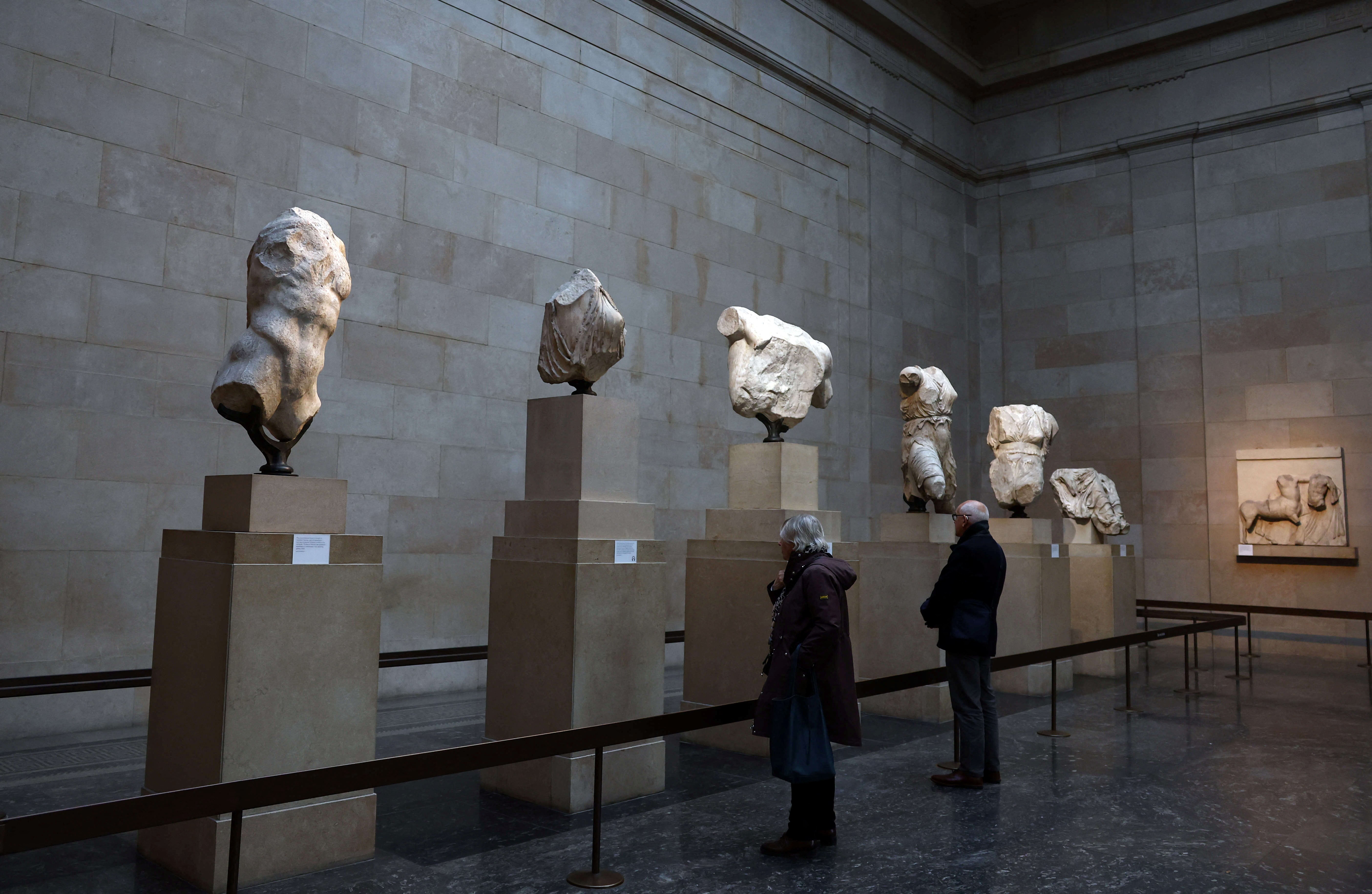
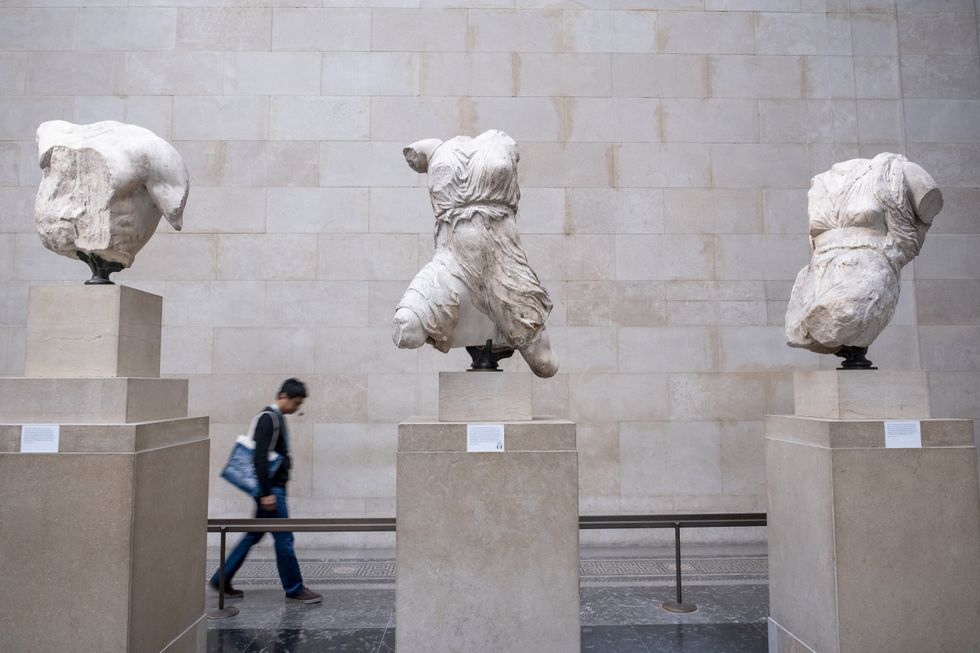
The majority of Britons want the Elgin Marbles to be returned to Greece, a new poll has revealed.
The YouGov survey revealed that more than half the British public believes the Parthenon sculptures should be sent back to Athens permanently, even without any reciprocal arrangement involving Greek antiquities.
Support for their return grew further when it was linked to a mutual exchange of artefacts, including items such as the Mask of Agamemnon.
Just one in five respondents preferred the 2,500-year-old classical sculptures, originally crafted for the Acropolis, to remain on display at the British Museum.
The data, collected among roughly 2,500 adults in mid-October, was commissioned by the Parthenon Project, a campaign group advocating the marbles' reunification in Greece.
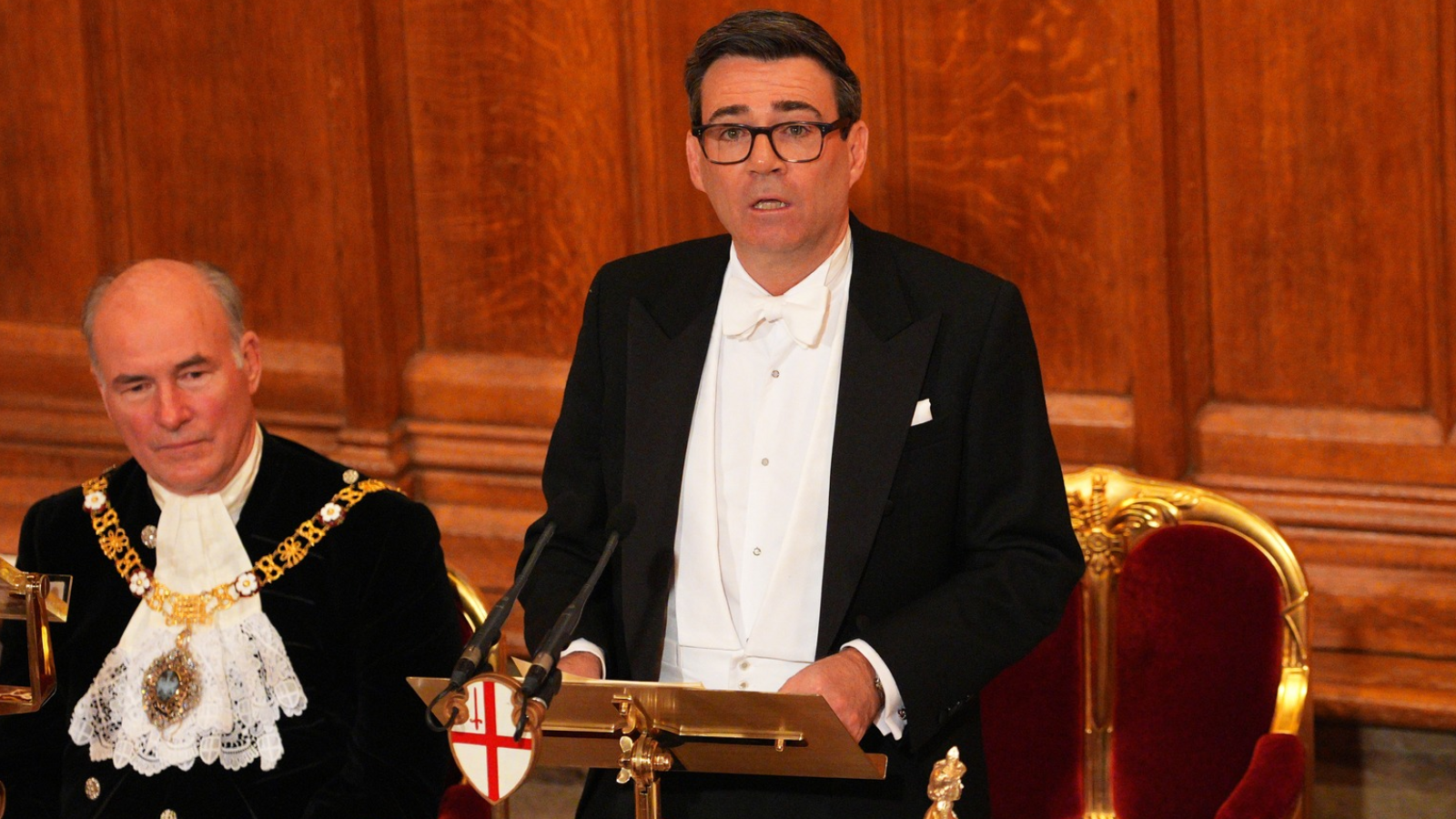
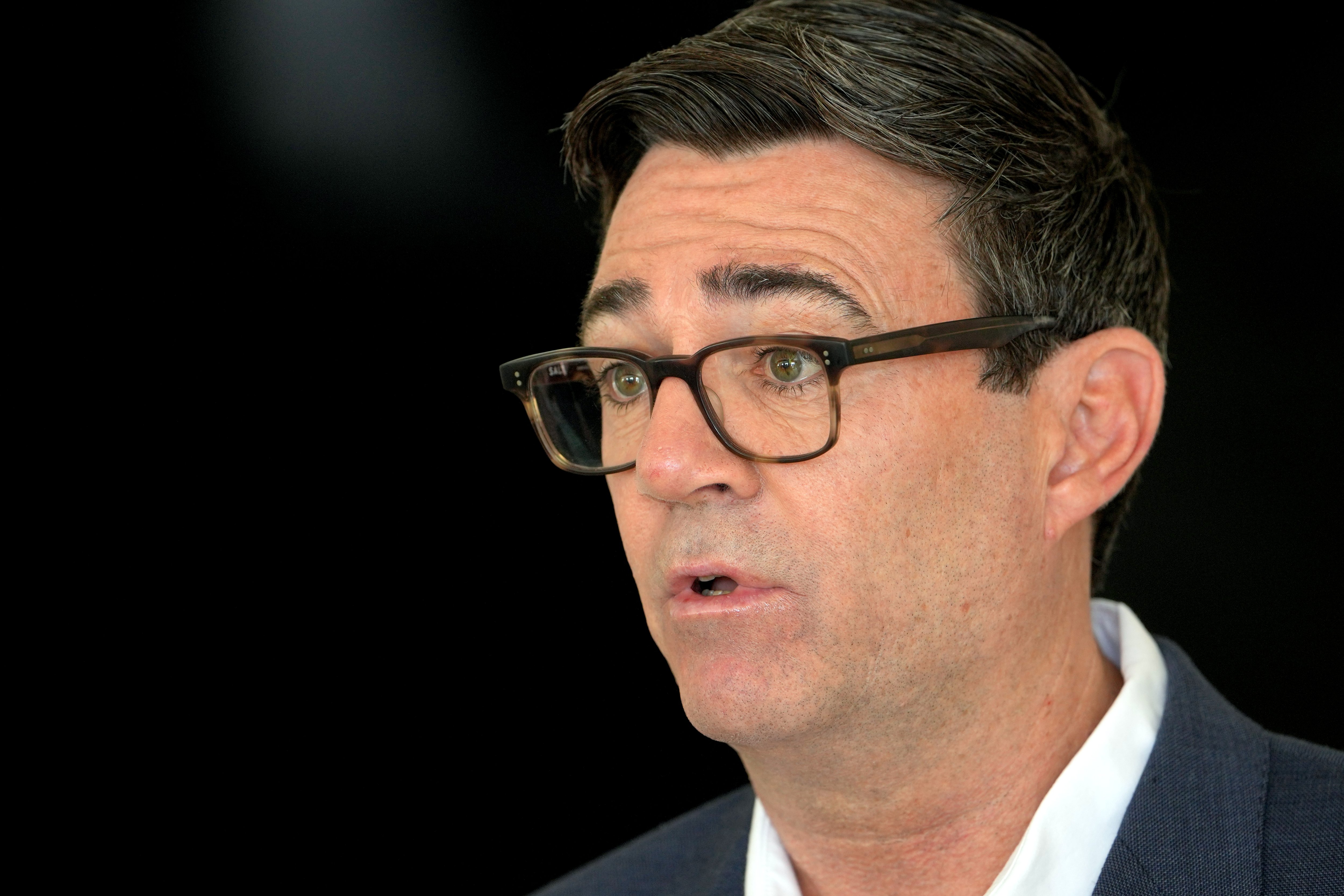
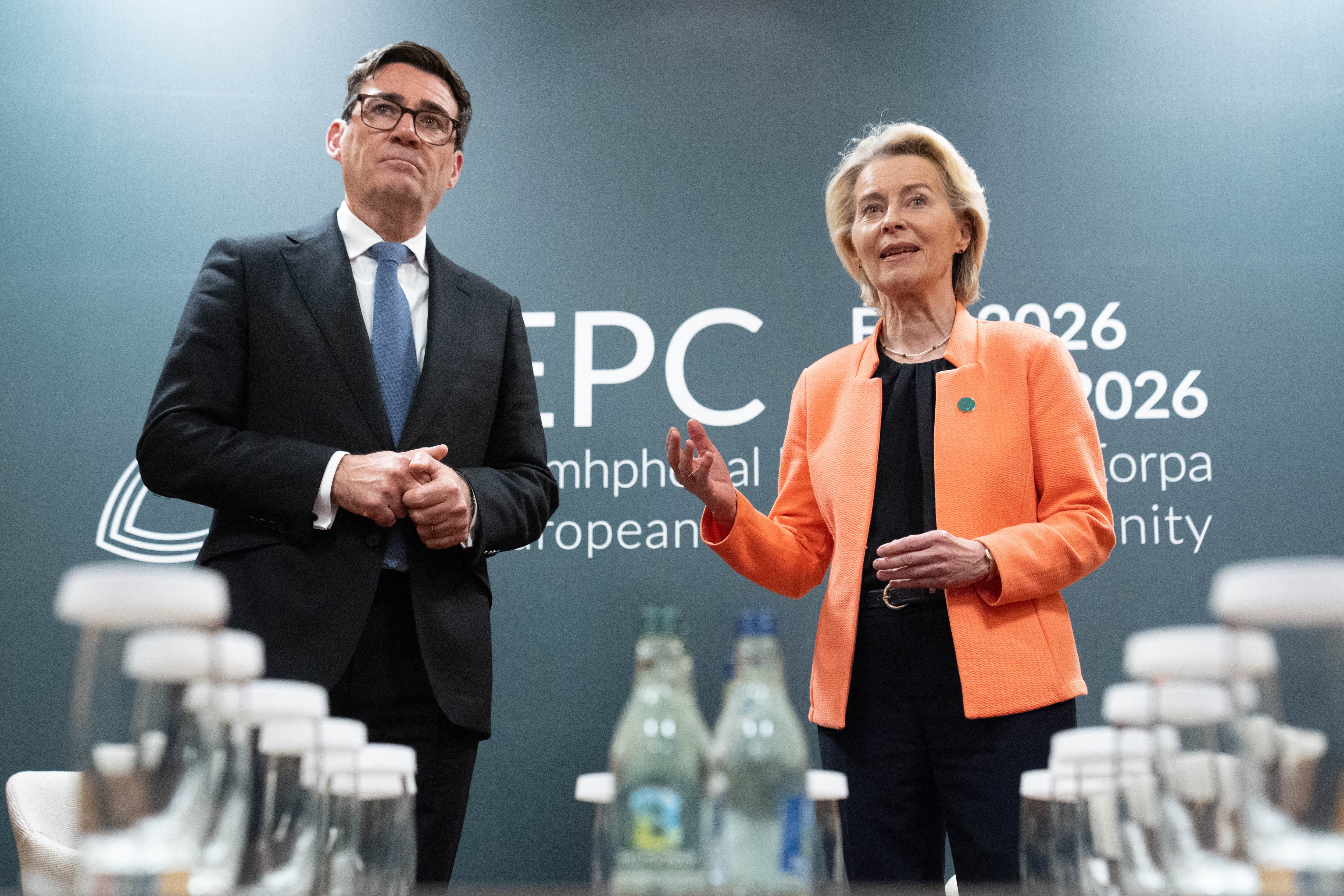
Prime Minister Andy Burnham has stepped back from his 2023 stance that the marbles ought to go back to Greece with "no strings attached."
Since taking office, he has instead deflected responsibility, saying it's a decision for the British Museum to make.
The British Museum Act 1963 effectively bars the institution from permanently parting with items in its collection, save for narrowly defined exceptions.
Despite mounting calls from Athens and domestic pressure groups urging a change to the legislation, successive governments, including the current Labour one, have refused to revisit the act.
George Osborne, who chairs the British Museum, has been attempting to negotiate a "loan" arrangement with Greek officials, but talks have stalled because Athens refuses to acknowledge the museum as the sculptures' rightful owner.
Among Labour voters, 72 per cent endorsed a "cultural partnership", defined as the permanent reunification of the marbles at the Acropolis Museum combined with a programme bringing significant Greek artefacts and exhibitions to British institutions.
Conservative supporters backed the same proposal at 60 per cent.
LATEST DEVELOPMENTS
- British Museum hopes to end Bayeux Tapestry queue chaos with new changes
- Priceless Chinese artefacts found smashed at British Museum risking diplomatic row with Beijing
- British Museum forced to change Bayeux Tapestry exhibition over 'discrimination' legal threat
Baroness Debbonaire, formerly Labour's shadow culture secretary, argued that such a partnership "would help museums attract new audiences and donors."
She added: "The public clearly understands that this debate can be resolved with wins all round."
Nicholas Cullinan, the museum's director, recently expressed hope that the loan of the Bayeux Tapestry from France could establish a "precedent" for a similar cultural arrangement with Greece, calling tangible progress a "wonderful" prospect.
He said: "I would hope it does provide a very compelling example that international collaboration is possible, even when you don't get there the first time or there are difficulties or tensions or things are in dispute."

Greek Prime Minister Kyriakos Mitsotakis dismissed the analogy outright.
He said: "Nobody would seriously contemplate cutting what survives of the tapestry in two and displaying half in London and half in Bayeux, and claiming this was an adequate way to understand it. Yet that is exactly what happened to the Parthenon sculptures."
The British Museum maintains that Lord Elgin legally removed the works from Athens during Ottoman rule, with the government acquiring them in 1816.
Opposition to British possession stretches back centuries, however, Lord Byron branded Elgin a "plunderer" in his poem The Curse of Minerva.
GB News has approached the British Museum for comment.
Our Standards: The GB News Editorial Charter
What's Your Reaction?
 Like
0
 Dislike
0
 Love
0
 Funny
0
 Angry
0
 Sad
0
 Wow
0