





















Millions of supermarket chickens 'unsafe for human consumption' sparking welfare concerns
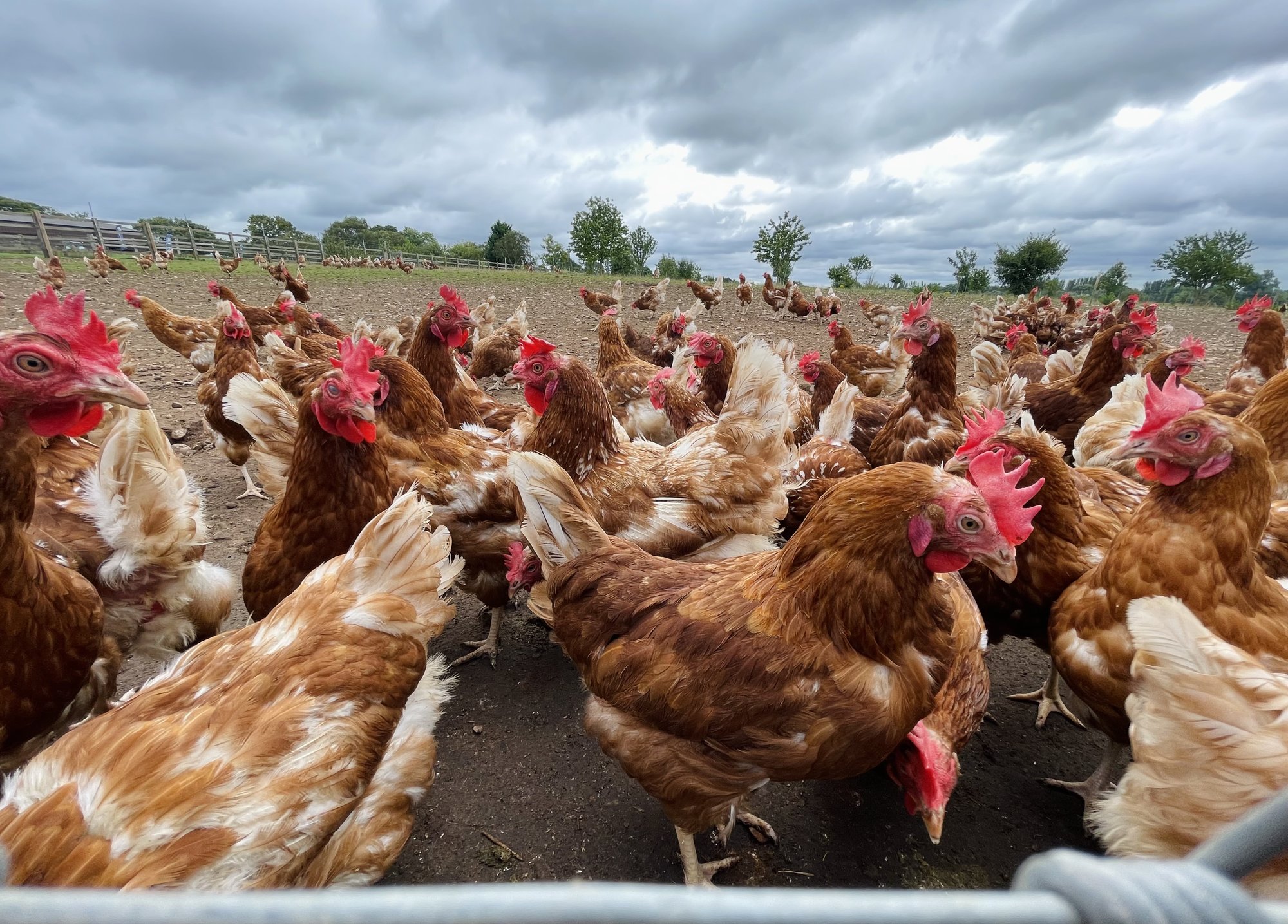
Millions of supermarket chickens were deemed "unsafe for human consumption" across the country last year, sparking concerns over animal welfare.
According to data released by the Department of Environment, Food and Rural Affairs (Defra), British slaughterhouses deemed more than 11 million chickens unsuitable for human consumption in 2025.
The figures come from the department's annual national control plan.
Food standards inspectors assessed some 895 million birds nationwide, rejecting 11,246,807- roughly one out of every 80 sent for slaughter.
Farm inspections for meat chickens dropped by 28 per cent over the same period, even as welfare-related warnings rose by 18 per cent.
The Humane League UK, an animal welfare charity, said the statistics laid bare extensive suffering on British chicken farms.
Inspectors logged 2.82 million instances of ascites or oedema, conditions characterised by abnormal fluid build-up in the birds' bodies.
A further 2.65 million cases involved cellulitis or dermatitis — infections and inflammation of the skin.
Blood poisoning or respiratory illness affected more than a million chickens, whilst around half a million were found to be emaciated or suffering from joint lesions.

Around one million birds were already dead upon reaching abattoirs, amounting to over 2,700 per day.
The Humane League calculated that an additional 26 million chickens perished before ever making it to slaughter, bringing the estimated annual total of birds that never reached consumers to roughly 37 million.
That estimate was derived by comparing the number of chicks placed on farms with the number ultimately processed, drawing on 2024 and 2025 hatchery and slaughter records.
The charity suggested between 430,000 and 610,000 birds were dying weekly before they could be slaughtered.
The figure is not, however, a direct tally of deaths, as the underlying datasets span different production stages and birds recorded as dead on arrival may overlap with the broader calculation.
ANIMALS - READ THE LATEST:
- Wolf brutally mauls schoolgirl at German wildlife park as eight-year-old airlifted to hospital
- Great white shark lunges at woman leaning down to pet apex predator in shocking interaction
- Leopard mauls zookeeper to death as Safari Park launches investigation into horror attack

Welfare inspectors issue a "trigger report" when flocks show excessive rates of conditions potentially linked to poor standards.
Last year saw 3,391 such reports - a notable jump from 2,872 the year before - with farmers receiving these alerts being required to take corrective measures.
Despite the surge in warnings, inspectors carried out just 102 meat chicken farm inspections, down from 142 previously.
Defra attributed the shortfall to staff being diverted by bluetongue and avian influenza outbreaks.
A mere one in five inspected farms met the requirements of both welfare law and the government's code of practice.

Inspectors found legal violations involving unnecessary suffering to at least one animal at 11 separate holdings, though non-compliance with the code does not in itself constitute a criminal offence.
The charity said its own recent investigation of six farms across five English counties uncovered birds with walking difficulties, leg deformities, distended abdomens and hock burns.
Campaigners have dubbed fast-growing breeds "Frankenchickens," arguing that even lower stocking densities of 30kg per square metre failed to prevent serious health problems.
Alex Mayers, the charity's managing director, said: "These aren't just statistics, they're a window onto the lives of countless individual animals."
He urged both retailers and ministers to abandon fast-growing breeds.
However, the official data showed signs of progress: farm-attributed rejections fell from 1.8 per cent of inspected birds in 2021 to 1.26 per cent last year, down 3.4 per cent from 2024 despite a slight uptick that year.
Our Standards: The GB News Editorial Charter
What's Your Reaction?
 Like
0
 Dislike
0
 Love
0
 Funny
0
 Angry
0
 Sad
0
 Wow
0