




MOD loses track of HALF the military veterans it needs to call on to defend Britain
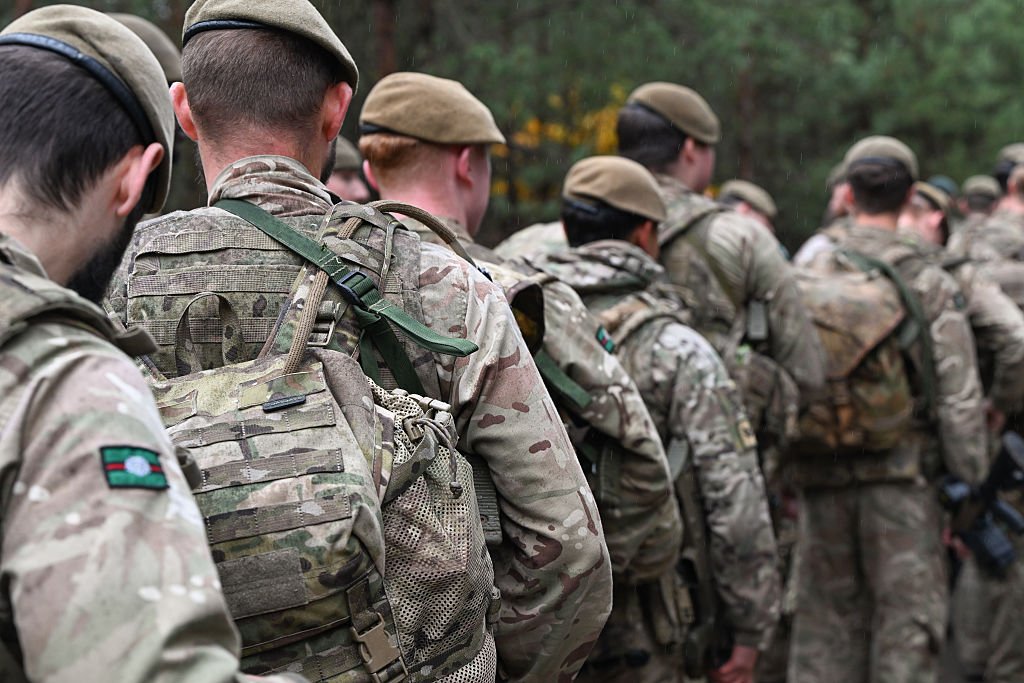
The Ministry of Defence cannot locate around half of the country's 100,000 strategic reservists, it has emerged.
They are being asked to prepare for a potential recall for the first time since the Cold War.
Letters from the heads of all three armed services requesting updated contact information, employment status and skill sets are being dispatched to veterans who may need to be mobilised in the event of conflict.
However, tens of thousands of those who should be receiving correspondence will never see it, as the MoD no longer holds valid addresses for them.
The communications, published on the government's website under a newly created strategic reserves section, stress that the bar for calling up former service personnel remains "high."
According to the documents, the strategic reserve "may be considered for serious national emergencies, warlike operations, preparations for war or a major crisis that requires additional military capability," but would not be drawn upon to address routine peacetime staffing gaps.
This initiative targets veterans who left the armed forces but still have a legal obligation to return under exceptional circumstances.
They are separate from the 32,000-strong volunteer reserve forces made up of civilians.
The MoD estimates that roughly five per cent of all veterans fall under these recall arrangements.

Under current legislation, every former regular and reserve officer carries a liability to be called back for the rest of their life, and the department must stay in touch with ex-personnel for six years after they leave full-time service.
Lord Robertson of Port Ellen, who oversaw last year's strategic defence review, warned earlier this year that officials were not properly maintaining records for recently retired soldiers joining the strategic reserve.
"The Ministry of Defence at the present moment doesn't even know where most of them are," the former Nato secretary-general and one-time defence secretary under Tony Blair said.
They added: "So we need to round up those who are available and fit and willing to be able to do it."
Air Chief Marshal Sir Richard Knighton, head of the armed forces, has similarly cautioned that Britain lacks an "effective system of tracking and engaging" those who have recently left service.
LATEST DEVELOPMENTS
- Royal Navy HQ hit with 'bomb threat' as police rush to scene
- Labour 'warns thousands of reservists and veterans to prepare for war'
- RAF 'hiding aircraft to protect them from drone threats' after recent terror incidents at bases

The recruitment and retention crisis has compounded these difficulties.
The Army has contracted from more than 100,000 personnel in 2010 to just over 70,000 today.
Veterans with expertise in artificial intelligence and coding are expected to be among the first called upon in any future conflict, as hybrid warfare increasingly demands technological proficiency.
An Army source explained that former soldiers who have moved into data science or tech start-ups bring invaluable skills in machine learning, rapid procurement and decision-making.
Those with backgrounds in medicine, engineering, and satellite communications are also in high demand.

Gen Sir Roly Walker, Chief of the General Staff, told reservists he was writing at a time when defence forces were "sharpening their readiness levels."
Speaking this morning, Defence Secretary Wes Streeting said: "We need to keep up to date with them. We need to make sure they have access to further development opportunities with us. In some ways, what I’m doing is what should have been done for a long time.
"We do need to build our national resilience, build our readiness and make sure that we are prepared for the worst — even as we’re taking steps every day that make that worst-case scenario less likely"
“Doing it now, when there isn't a looming threat, is the right thing to do. It's much better than finding yourself caught short later. We saw that lesson writ large in the pandemic, when the government was criticised for under-preparedness.
"I'm not going to make the same mistake, which is why we're taking this step. It should be routine business and will now be regular practice."
In January, the government announced plans to raise the upper age limit for mobilisation from 55 to 65.
Mr Streeting said: "Obviously, we are not going to mobilise people who are unfit and unable to serve. We won’t be mobilising pensioners."
GB News has contacted the Ministry of Defence for further comment.
Our Standards: The GB News Editorial Charter
What's Your Reaction?
 Like
0
 Dislike
0
 Love
0
 Funny
0
 Angry
0
 Sad
0
 Wow
0