







Plans to axe Freeview could risk communications blackout for millions in UK, House of Lords warns
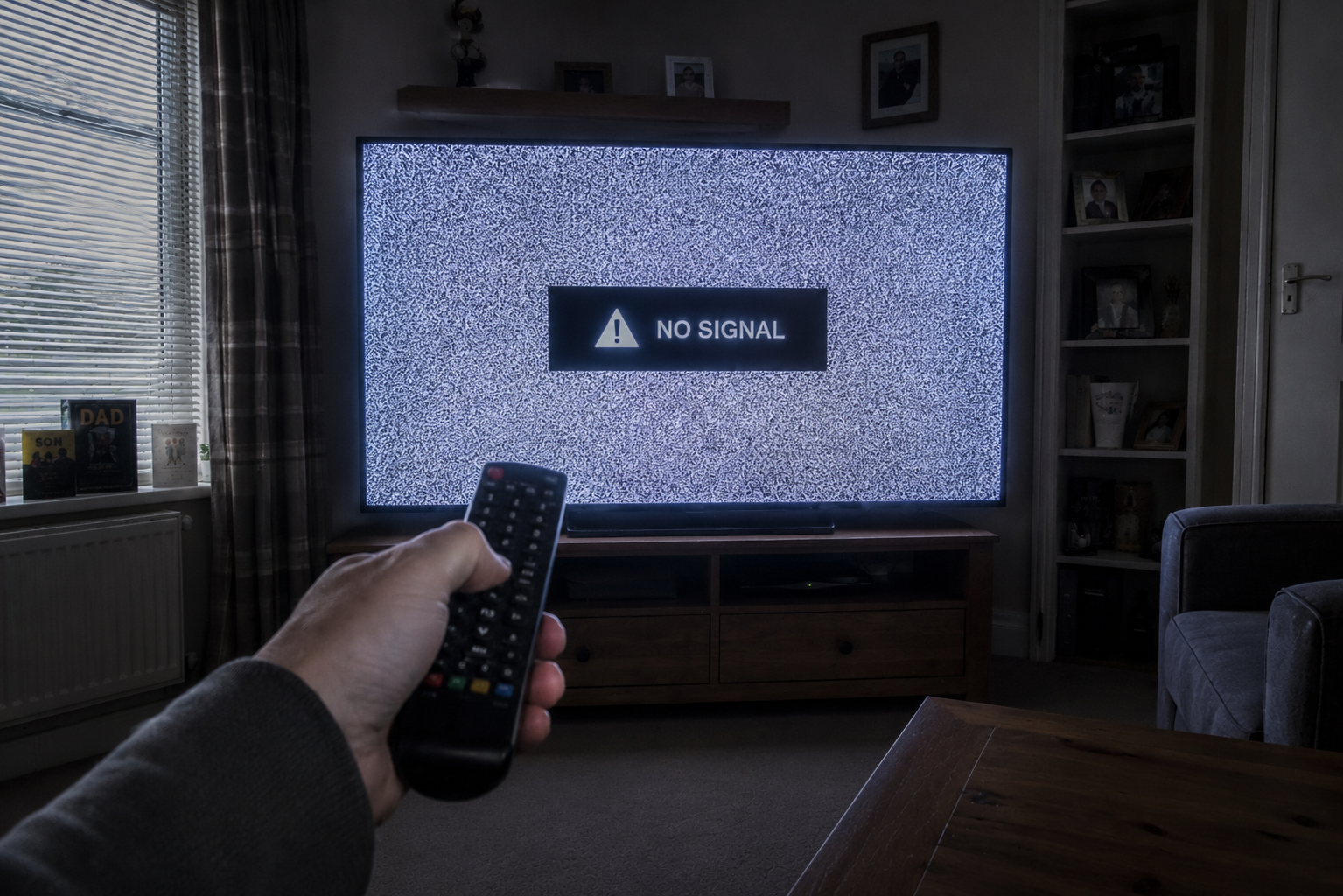
Plans to scrap terrestrial television over an aerial in the UK could risk a communications blackout for millions of Britons, a Parliamentary probe has warned. The Digital Terrestrial Television (DTT) platform — or Freeview to you and me — is found in some 12.9 million UK homes. However, it could be shuttered by 2034 under plans to shift to broadband-powered television.
A cross-party committee in the House of Lords has now sounded the alarm about the plans, which it claims "risks weakening national resilience by reducing universal access to communication."
Under current UK Government policy, traditional over-the-air broadcasts are only guaranteed until 2034. If nothing changes, Freeview will be superseded by Freely, which relies on broadband to stream free-to-air television. Built by Everyone TV, the same team behind Freesat and Freeview, this system has been adopted by most major television manufacturers as the new standard.
Bad weather, including high pressure, regularly disrupts Freeview... something that isn't the case when streaming television. It also enables several features that aren't possible via aerial, like the ability to pause or restart a live show. Streaming can be more convenient, since you're not restricted to where the aerial is fitted so place your television anywhere at home.

It's not just free-to-air television that's increasingly reliant on broadband.
Sky TV says 9 out of 10 new subscribers choose an internet-based streaming device — either its Sky Stream box or the all-in-one integrated Sky Glass TV — rather than traditional satellite dishes.
Under current plans, the UK is on track to enjoy 99% broadband coverage by 2030. However, regulator Ofcom is reviewing whether the Freeview cut-off date needs to be extended.
But the latest report from the Lords National Resilience Committee is unequivocal. It has warned that allowing Freeview to expire would expose the UK to "a significant resilience weakness" during times of emergency.
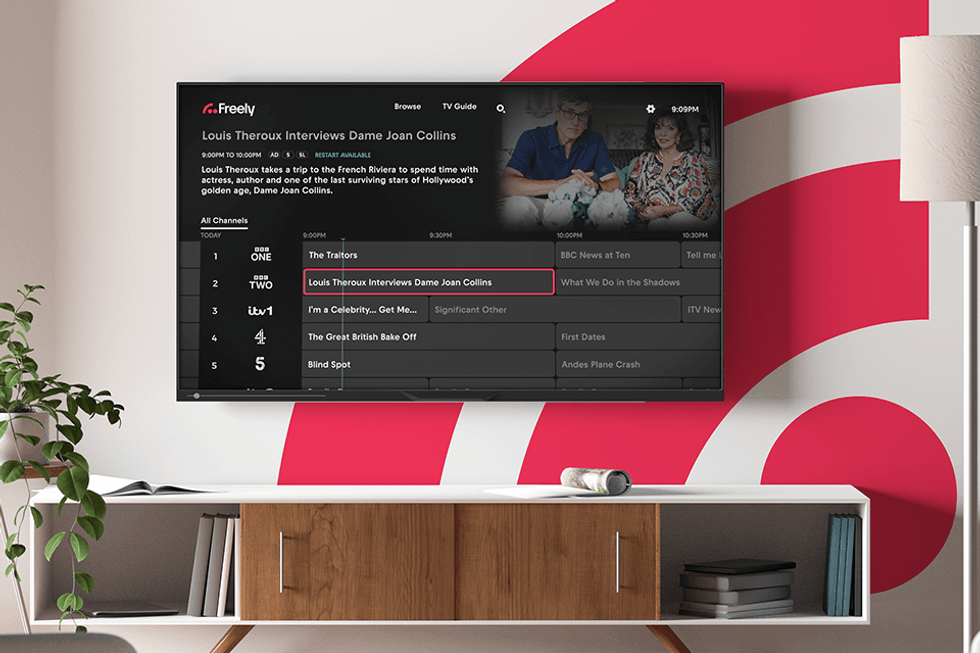
It states: “We recommend that the Government should abandon its plan to switch off Digital Terrestrial Television, which risks weakening national resilience by reducing universal access to communication.”
Freeview relies on a rooftop or indoor aerial to unlock access to over 100 television channels and radio stations, with no monthly subscription required. On the face of it, streaming can be more convenient, since you're not restricted to where the aerial is fitted so place your television anywhere at home.
However, there are downsides.
Aside from the mandatory £180 annual TV licence fee, there is no cost to connecting to an aerial and watching linear television. Likewise, if you own a satellite dish, Freesat lets you watch dozens of free-to-air channels at no cost.
But broadband-based television requires an internet connection. Freely requires a minimum download speed of 10Mbps, which could potentially add between £10 – £15 a month to your household bills.
That's an extra £120 a year to watch the same shows available via Freeview. If streaming became the only way to watch free-to-air channels in the UK, millions of UK viewers could be "forced into paying for broadband".
According to the House of Commons Library, 17% of UK households were completely reliant on Freeview to watch television back in 2023 – meaning these homes did not use satellite, cable, or streaming.
Commenting on the report from the Lords National Resilience Committee, a spokesperson for campaign group Broadcast 2040+ said: “We welcome this clear recommendation from the committee, which further highlights the importance of protecting terrestrial television. At a time of growing threats, switching it off would be a mistake we cannot fix. Ministers should take this recommendation seriously and commit to a long-term future for terrestrial TV until at least 2044.”
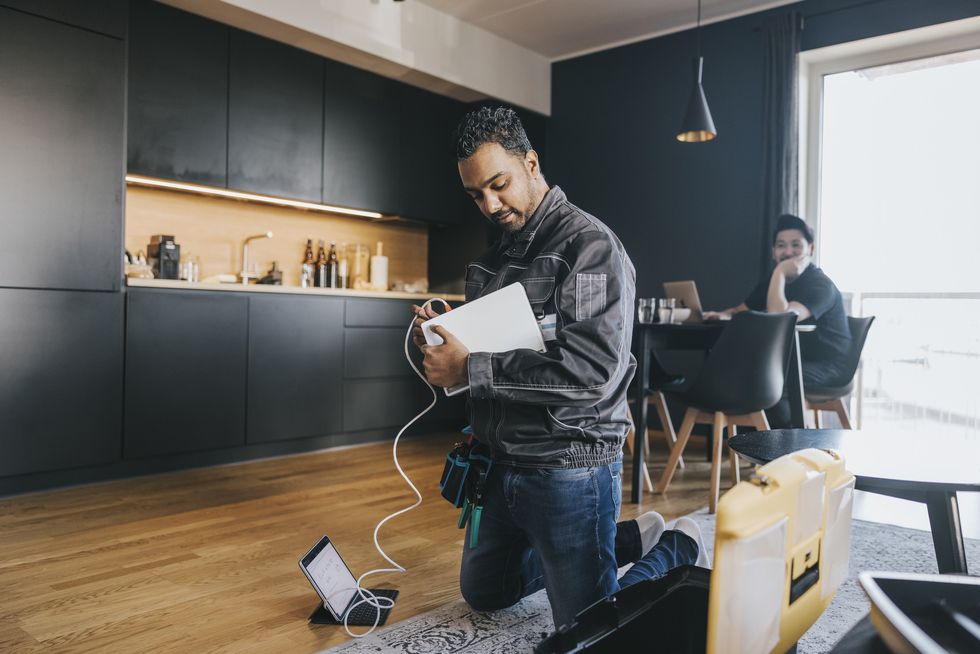
Broadcasters, including the BBC, ITV and Channel 4, have backed a transition to internet-based telly, stating that it costs them vast sums to maintain broadcast signals used by a declining number of people. The BBC has teased plans to build its own Roku or Fire TV Stick competitor to make streaming more accessible to UK households.
GB News was added to the Freely service as part of a major update early last year.
A spokesperson for the Broadcast 2040+ campaign, which brings together over 30 organisations, including the Digital Poverty Alliance and Rural Services Network, and hopes to safeguard broadcast TV and radio, told GB News: "Forcing households onto broadband simply to watch basic TV would impose new costs and create new exclusions. If the Government were to underwrite the cost for those who cannot pay, it could easily cost £1billion per year – an ongoing liability, with people losing their TV if it were ever withdrawn."
Thousands don't want to see Freeview TV retired. There's an active online petition circulating across the UK to save Freeview TV, by the non-profit organisation Silver Voices.
For free-to-air broadcasts to continue beyond the current 2034 deadline, the UK Government will need to extend multiplex licences to allow television channels to continue to leverage the Digital Terrestrial Television (DTT) platform to broadcast over the airwaves nationwide.
There's no set deadline for the latest UK Government review, but the last time the DTT licences were up for renewal, the consultation ended in February 2021 ahead of an early 2022 deadline. In other words — we're unlikely to find out the outcome for a few years.
LATEST DEVELOPMENTS
- Deadline to switch off traditional UK landlines will NOT be postponed, BT warns
- iPhone Duo review
- Amazon unleashes a torrent of new Alexa devices, including a bedside clock that tracks your sleep
- You'll never Google in the same way again! 'Biggest upgrade in 25 years' comes to search
- Roku unveils largest-ever cinema-style experience, and Fire TV can't match it
Ofcom published a report called Future of TV Distribution back in May 2024. One of the findings was that Britons now spend less time watching broadcast television via DTT, leading to broadcasters voicing concerns that "declining viewership on broadcast platforms over the next 10-15 years will create a tipping point at which the cost of distributing via DTT and satellite will exceed the benefits generated from being on those platforms."
The UK regulator said investment in a more efficient DTT service would be needed to continue broadcasting via Freeview, alongside a gradual transition to streaming for free-to-air channels in the 2030s.
No matter what happens with Freeview, the industry is already pivoting towards a streaming-only future in the UK.
As well as major changes to BBC iPlayer, rival Channel 4 has shuttered five of its Freeview channels and told staff to consider streaming before approving any new commissions. ITV has overhauled its broadcast business in a race to meet its target of 2.5 million ITVX Premium subscribers by 2026.
The Netflix rival offers exclusive boxsets, early access to some of its biggest dramas, downloads for offline viewing on flights or abroad, and the ability to skip adverts for £5.99 per month.
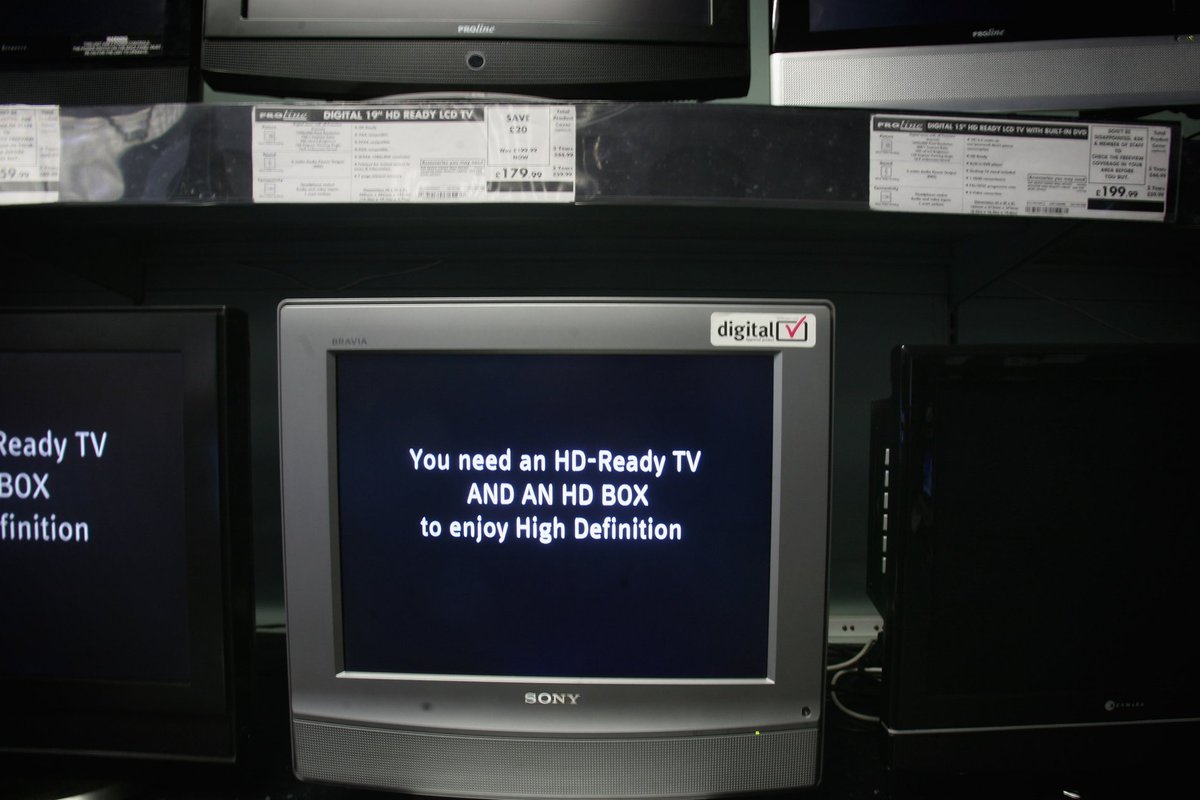
If Downing Street decides to move ahead with the transition away from traditional broadcasts, it wouldn't be the first time the UK has seen a major shake-up to its television landscape.
The transition from analogue to digital broadcasts — more commonly known as Digital Switchover — took place nationwide between 2007 and 2012. It replaced analogue broadcasts with digital transmissions, improving picture and sound quality, while bolstering channel choice and freeing up spectrum to be repurposed for 5G mobile data.
The staggered roll-out took place region by region, kickstarting in Whitehaven, in Cumbria, and finishing up in Northern Ireland and London. Households had to switch to Digital TVs — marketed as "HD Ready" — or set-top boxes to continue to receive broadcasts.
Satellite broadcasts are also slowly being phased out, with Sky no longer offering its Sky Q set-top box — the last to require a satellite dish affixed to the outside of your home — to new customers via its online store. Both of its flagship products, Sky Glass and Sky Stream, both rely on an internet connection to offer access to live channels.
Our Standards: The GB News Editorial Charter
What's Your Reaction?
 Like
0
 Dislike
0
 Love
0
 Funny
0
 Angry
0
 Sad
0
 Wow
0