














Rachel Reeves blasted as 'economically illiterate' amid National Insurance hikes
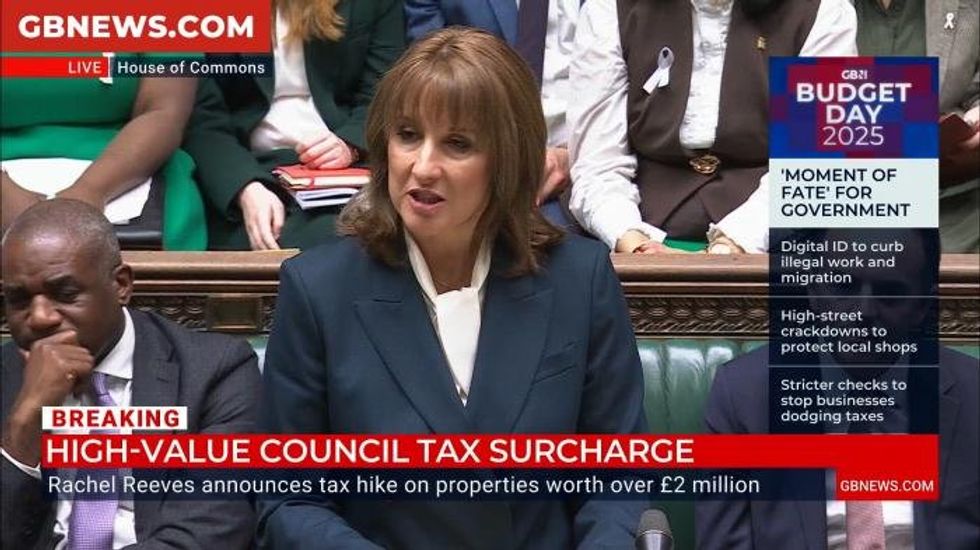
British employers have warned Chancellor Rachel Reeves’ decision to raise National Insurance contributions has triggered a hiring crisis.
Business owners are branding the policy "economically illiterate" as job vacancies fall to their lowest level in nearly five years.
Firms grappling with elevated National Insurance bills and increased wage pressures are increasingly turning to automation rather than hiring new staff, according to industry experts.
Young people are bearing the brunt of the tightening labour market, with the number of those not in education, employment or training approaching one million.
Specialists have cautioned an entire generation risks being excluded from the workforce, raising concerns about long-term economic and social consequences.
The latest quarterly figures show vacancies have dropped to 711,000, marking a decline of 29,000 compared with the previous quarter.
This represents the lowest vacancy level since the period between February and April 2021, with a 3.9 per cent fall recorded between October and December 2025.
The number of employees on company payrolls has also declined, falling by 74,000 in the 12 months to February 2026.
Between December 2025 and February 2026, payrolled workers decreased by 87,000 compared with the same period a year earlier.
Early estimates for March 2026 suggest the total has fallen to 30.3 million, down 65,000 on an annual basis.
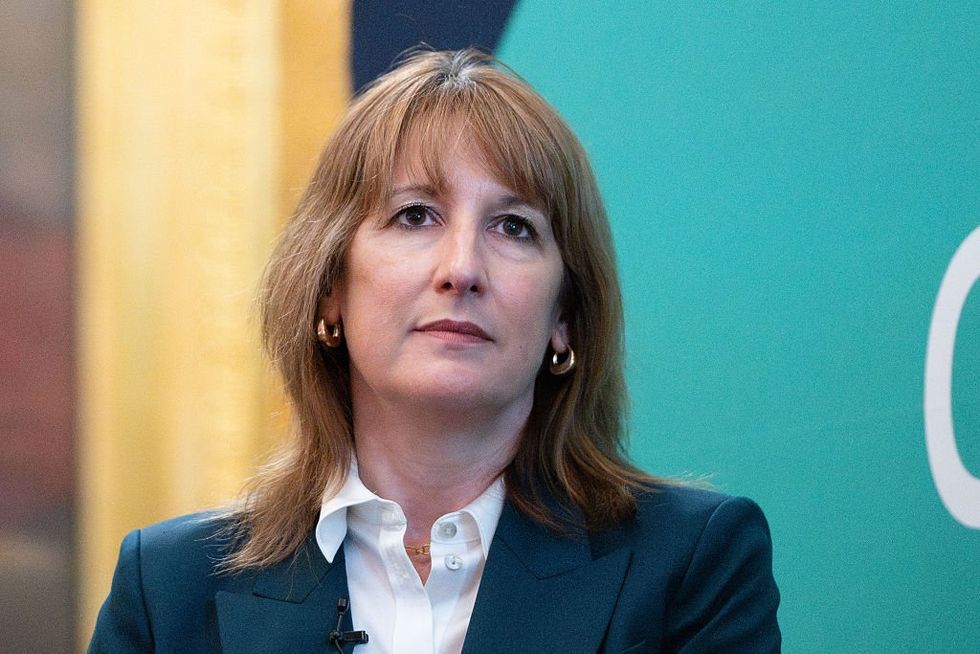
Liz McKeown, director of economic statistics at the ONS, said: "The number of workers on payroll remained broadly flat in recent periods, reflecting ongoing weak hiring.
"Vacancies fell to their lowest level in almost five years, but with unemployment also falling the number of vacancies per unemployed person remains broadly unchanged."
Unemployment fell to 4.9 per cent, down from 5.2 per cent in the previous quarter.
LATEST DEVELOPMENTS
- Keir Starmer ‘planning to axe Rachel Reeves’ in ‘final roll of the dice’ to save premiership
- Rachel Reeves car tax raid sees hybrid drivers hit twice
- Business creation falls to record low as Britain loses 4,500 firms amid Rachel Reeves's tax raids
Tony Redondo, founder of Newquay-based Cosmos Currency Exchange, said: "I have no intention of hiring anytime soon.
"The Iran war's impact on energy prices, supply bottlenecks and inflation have not helped, but the root cause is this Government's economically illiterate policies, which have left employers facing record taxes and regulatory burden."
Mr Redondo said business owners are increasingly shifting focus away from growth as conditions tighten.
He said: "Most UK business owners I speak with have shifted from growth to survival, turning to AI agents to fill entry-level roles."
Rohit Parmar-Mistry, founder of AI consultancy Pattrn Data, said: "Most firms are not replacing whole teams overnight.
"What they are doing is freezing junior hiring, stretching existing staff further, and using automation to avoid adding headcount."
Mr Parmar-Mistry warned entry-level roles, which traditionally provide early career development, are becoming less available.
Katrina Young, Chief Technology Officer at KYC Digital, said: "Businesses are not replacing junior staff with AI systems. They are simply not replacing them at all."
Mary Maguire, Managing Director of Derby-based Astute Recruitment, said smaller firms have been hit by a combination of rising National Insurance costs, minimum wage increases and wider economic pressures, including energy price volatility and developments in artificial intelligence.
Speaking before Parliament’s Treasury Committee last month, the Chancellor said there was a "valid argument" against raising employers’ National Insurance contributions following an increase in youth unemployment.
Ms Reeves said the decision was necessary to fund public services, including a £29billion annual uplift for the NHS.
She said: "But I do recognise there are particular issues around youth unemployment.
"A lot of that, with respect, we inherited with a big increase in the young people not in education, employment or training, but we are facing into that with actions coming on stream from next month."
Labour has pointed to expanded apprenticeship opportunities and a youth guarantee offering paid work to eligible young people unemployed for 18 months.
Our Standards: The GB News Editorial Charter
What's Your Reaction?
 Like
0
Like
0
 Dislike
0
Dislike
0
 Love
0
Love
0
 Funny
0
Funny
0
 Angry
0
Angry
0
 Sad
0
Sad
0
 Wow
0
Wow
0