




















Africa witnessing birth of new ocean as scientists warn continent is SPLITTING

Scientists have found signs Africa is witnessing the birth of a new ocean as the continent appears to be splitting.
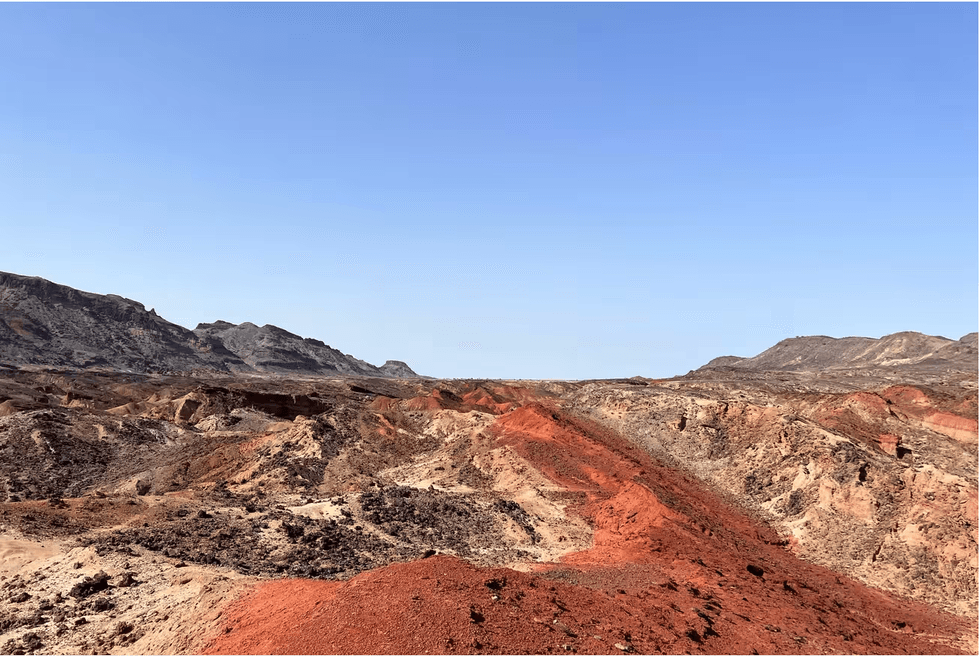
Researchers have determined the Earth's crust beneath East Africa's Turkana Rift is thinning at a far more advanced rate than scientists previously recognised, signalling the continent is splitting apart more rapidly than earlier estimates suggested.
The findings reveal this geological zone, spanning approximately 300 miles across Kenya and Ethiopia, has entered a crucial phase known as "necking" — a stage that could ultimately result in the formation of a new ocean millions of years in the future.
"We found that rifting in this zone is more advanced, and the crust is thinner, than anyone had recognised," says Christian Rowan, lead author of the study and a doctoral student at Columbia University's Lamont-Doherty Earth Observatory.
"Eastern Africa has progressed further in the rifting process than previously thought."
The necking phenomenon describes how the crust stretches and narrows in its centre, much like the thinned middle portion that forms when pulling apart a piece of saltwater taffy.
Measurements from the study reveal a stark contrast in crustal thickness across the region. At the rift's centre, the crust measures merely 8 miles deep, whilst areas further from the central zone exceed more than 20 miles.
This thinning creates a self-reinforcing cycle. "The thinner the crust gets, the weaker it becomes, which helps promote continued rifting," Mr Rowan explains.
Anne Bécel, a geophysicist at Lamont and study co-author, confirms the significance of these findings. "We've reached that critical threshold of crustal breakdown," she says.
"We think this is why it is more prone to separate."
These geological transformations unfold across vast stretches of time.
The Turkana Rift first began opening roughly 45 million years ago, with the necking phase commencing following extensive volcanic eruptions approximately 4 million years ago.
LATEST DEVELOPMENTS
- How the Chernobyl nuclear disaster forever changed our understanding of British skies
- Diver’s discovery sparks major dispute over Asia’s answer to Atlantis
- Archaeologists uncover ancient two-metre marble statue of Greek goddess Athena
The African and Somali plates are currently drifting apart at a rate of about 4.7 millimetres annually.
Scientists estimate that the subsequent stage, termed oceanisation, remains millions of years away.
When that phase eventually arrives, magma will push through the fractured crust to create new seafloor, and waters from the Indian Ocean could ultimately flow into the newly formed basin.
The research team also identified evidence of a previous rifting episode that failed to fully divide the continent. That earlier event nonetheless weakened and thinned the crust, preparing conditions for the current activity.
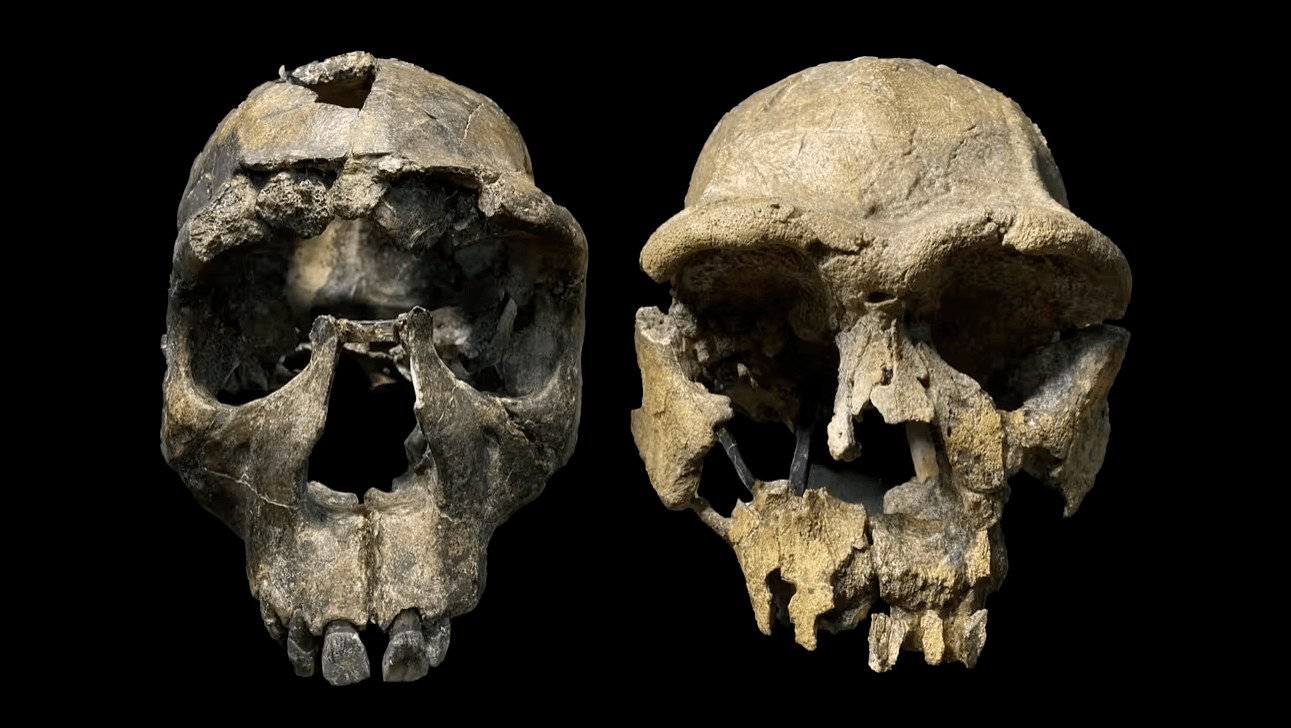
The discoveries also illuminate why the Turkana Rift has yielded such an extraordinary collection of ancient human remains. The region has produced over 1,200 hominin fossils spanning the past 4 million years, representing roughly one third of all such specimens found across Africa.
The researchers propose the onset of necking caused the land within the rift to subside. This sinking created conditions where fine-grained sediments accumulated rapidly, circumstances ideal for fossil preservation.
"The conditions were right to preserve a continuous fossil record," says Mr Rowan.
This interpretation suggests the Turkana Rift may not have been a uniquely significant location for human evolution itself, but rather a place where geological circumstances happened to record that history exceptionally well.
Our Standards: The GB News Editorial Charter
What's Your Reaction?
 Like
0
Like
0
 Dislike
0
Dislike
0
 Love
0
Love
0
 Funny
0
Funny
0
 Angry
0
Angry
0
 Sad
0
Sad
0
 Wow
0
Wow
0