







Rachel Reeves faces £8BILLION per year financial hit as US-Iran war to 'damage the economy'
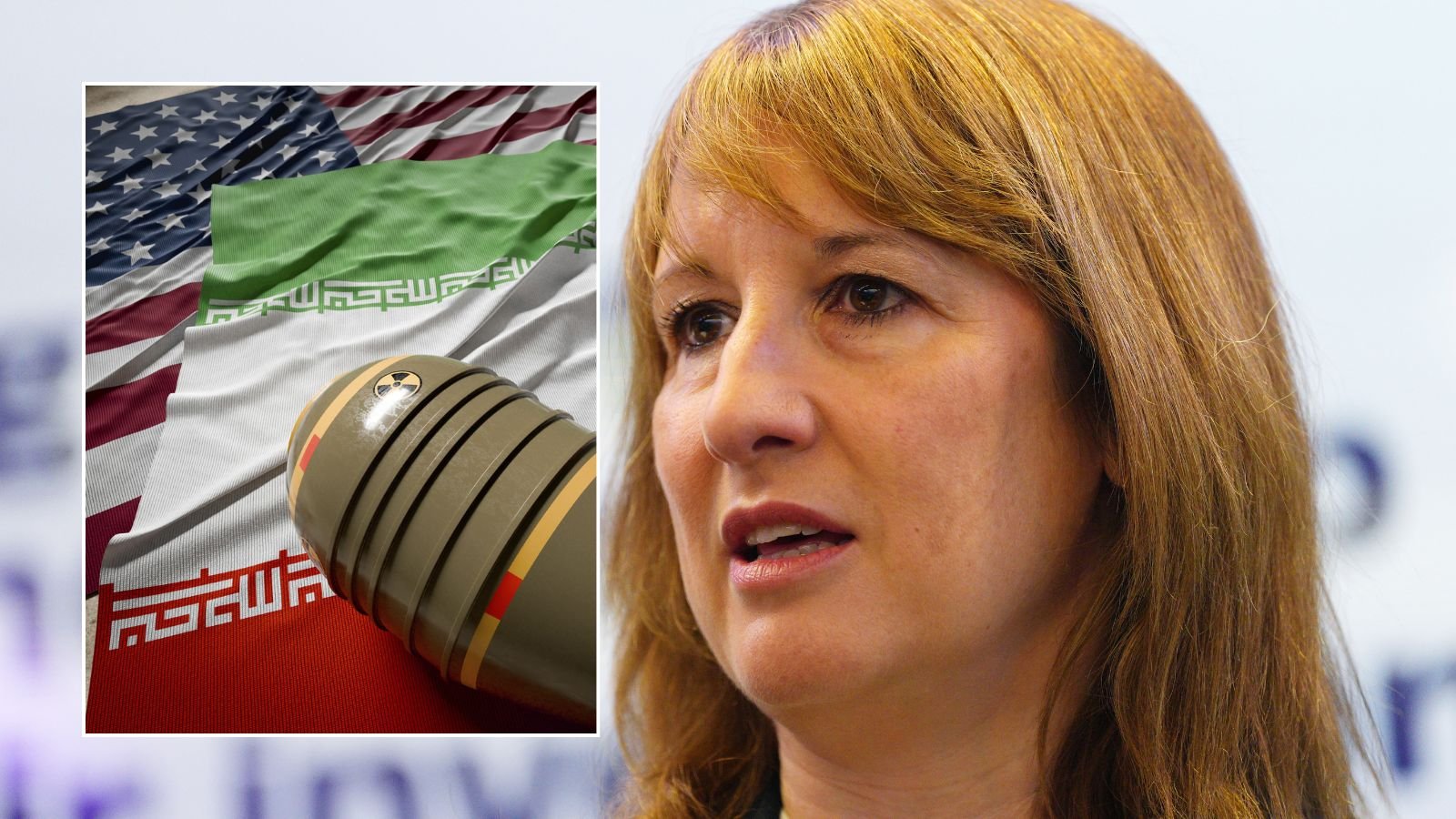
The Institute for Public Policy Research (IPPR) has issued an urgent warning that the ongoing conflict between the United States and Iran could inflict severe damage on Britain's economy and public finances.
According to new analysis from the think tank, a prolonged Middle Eastern war risks costing the Treasury as much as £8billion annually through increased debt servicing costs and diminished tax receipts.
The IPPR's modelling suggests that without government intervention, consumer price inflation could surge to 5.8 per cent under a protracted stalemate scenario, far exceeding the Bank of England's two per cent target.
Economic growth would also suffer significantly, with real gross domestic product (GDP) potentially slowing to just 0.3 per cent.
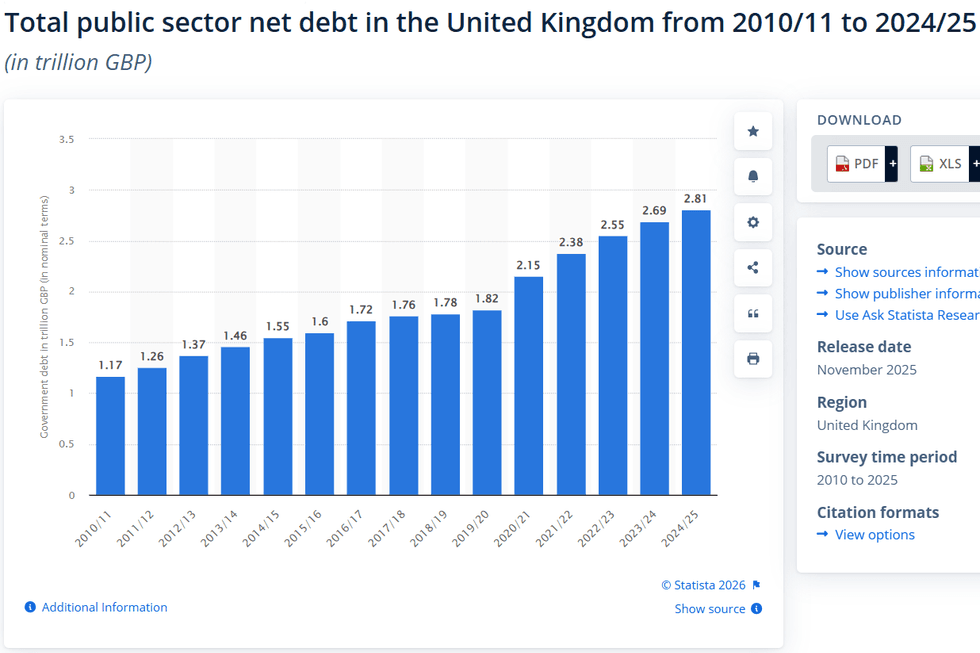
More than a quarter of UK Government debt is linked to inflation, meaning each additional percentage point directly increases borrowing costs.
To address the crisis, the IPPR has proposed a temporary energy price cap set at £2,000, designed to curb inflationary pressures whilst still encouraging consumers to reduce their usage.
The think tank also recommends a temporary reduction in fuel duty of 10 pence per litre to counteract soaring oil prices.
These measures would be accompanied by policies aimed at cutting energy consumption, such as reduced speed limits on roads.

LATEST DEVELOPMENTS
- Store closures alert: Up to 150 former WHSmith shops to shut down
- Ftse 100 surges as Donald Trump hints at end to US-Iran war
- Rachel Reeves under pressure as UK braces for worst redundancy round in a decade amid Iran crisis
To finance the support package, the IPPR suggests implementing targeted and progressive taxation, including bolstered windfall levies on energy company profits.
The overall cost of these interventions would reach up to £5billion annually, depending on how severe the economic shock becomes. Despite the substantial upfront costs, the IPPR's fiscal analysis indicates the intervention could prove financially advantageous in the longer term.
In the worst-case scenario, the policy package would be broadly cost-neutral, with expenditure balanced by reduced borrowing costs and safeguarded tax revenues.
However, should the measures successfully prevent lasting economic scarring or head off steep interest rate increases, the Government could ultimately save between £6billion and £10billion annually compared with taking no action.

The report's authors explicitly draw comparisons with the previous administration's handling of the 2022 energy crisis.
Former Prime Minister Liz Truss's response to that shock ultimately cost taxpayers £76billion, and the IPPR argues its proposals reflect hard-won lessons from that experience about effective crisis management.
William Ellis, senior economist at IPPR, said: "The UK cannot afford to sit back and let another energy shock drive up inflation and damage the economy."
He noted that the Bank of England is poorly positioned to respond given the time lag before interest rate changes affect demand, adding that the central bank indicated last week it would likely raise rates to combat inflation expectations, particularly if hostilities intensify.
Sam Alvis, associate director at IPPR, said: "The lesson from Liz Truss is clear: it's not intervention that spooks markets, it's poor policy design and an ignorance of investors' concerns. With the right approach, the Government can act decisively and responsibly at the same time."
Our Standards: The GB News Editorial Charter
What's Your Reaction?
 Like
0
Like
0
 Dislike
0
Dislike
0
 Love
0
Love
0
 Funny
0
Funny
0
 Angry
0
Angry
0
 Sad
0
Sad
0
 Wow
0
Wow
0