












Russell Brand is behind bars, but rape victims are still being failed by the justice system


My view on the Russell Brand case is that it's great, but it's not enough.
Part of me was terrified that if he was found not guilty, how would we keep encouraging women to come forward and speak out?
But another part of me is still frustrated, because what about all the others? I think that, as a society, we've lost faith in the court system when it comes to rape.
There's still so much that needs to change, particularly around how victims are treated and how the justice system communicates with the people going through it.
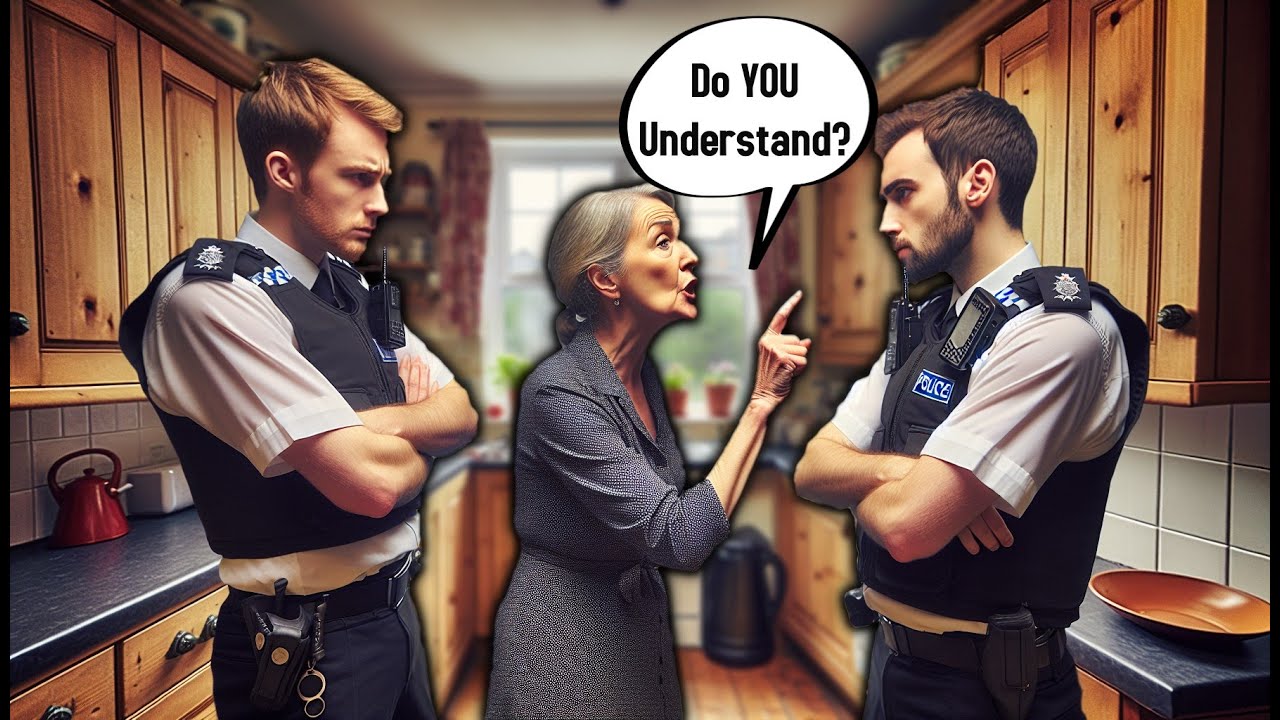
I've trained 21,000 Metropolitan Police officers, and one of the biggest things I've learnt from working with the police and supporting survivors is that there needs to be a lot more transparency.
I don't think the public understands how the criminal justice system works.
People don't necessarily understand that the Crown Prosecution Service (CPS) exists, or that their police officer isn't the person who makes the charging decision.
They don't understand that when a case is marked as requiring no further action, their police officer may have done the same level of investigation as they would for a case going to court.

They've done all that legwork, and they can be just as frustrated as the victim.
When I'm training officers at the Met, one of the things I ask them is to put their hands up if they've ever investigated a crime where they believed somebody was guilty but couldn't prove it.
Every single officer puts their hand up.
I tell them that one of the main things they need to recognise is that sometimes they've done a good job, even if they can't secure a conviction.
LATEST DEVELOPMENTS
- Russell Brand warned of 'incredibly tough time' as he faces move to notorious 'Monster Mansion' prison
- Russell Brand hit with more sexual misconduct allegations by SIX other women after being jailed
- Police forced Russell Brand to leave ex Jemima Goldsmith's home following 'violent incident', spokesman confirms

You can't get them all.
But what we need from the justice system is better communication, because sometimes the courts can't even communicate internally.
I was recently supporting a woman who had been cross-examined in court.
I helped her write an email to her witness care officer asking for information about her case.
The response came back saying they didn't have access to that information.
I ended up having to explain which system they needed to use to find it.
Victims aren't even always told about the Criminal Injuries Compensation Authority.
The only reason this woman managed to start that process was because I told her about it.
It's communication.
Everything is communication.
Whether I'm working in the corporate sector talking about health and wellbeing, or training people in the public sector about why they need to approach things differently, it always comes down to communication.
But communication isn't the only thing that needs to change.

One of the biggest talking points around the Brand case has been the way the women were questioned in court.
I've publicly extended an invitation to the barrister involved to have a conversation about appropriate questioning.
I'm a subject matter expert.
If he'd like to have an educated conversation about questioning victims, I'm happy to have one.
I genuinely believe everybody is entitled to a defence and everybody deserves the right to a fair trial.
What I don't believe is that victims should be put on trial and be treated as guilty until proven innocent.
I think the judge's summing-up comments in the Brand case were fantastic.
However, there was an element of me thinking that some of the rape myths being addressed, such as what somebody was wearing or how much they'd had to drink, are already outdated.
What they use in court now is: why didn't you kick? Why didn't you scream? Why did you take so long to report it? Rape myths will continue to evolve, and they'll continue to be used as a way of beating victims.
There's already guidance around appropriate questioning, but I think it needs to be implemented properly.
I'd like to see it become a legal requirement, with judges being proactive enough to intervene when questioning becomes inappropriate.
I was really lucky during my own trial because I had a female judge who was incredibly proactive.

When the defence started questioning me about previous partners, she intervened. I remember being asked why I hadn't disclosed that I'd been raped when I phoned the National Domestic Abuse Helpline.
I turned to the barrister and asked him whether he'd ever been raped. He refused to answer, and the judge told him to answer my question.
We need judges who are proactive enough to step in.
They're being trained for it, so there's no excuse.
I hope that if anything comes from the Brand case, it's that barristers take a moment to think before they begin cross-examining victims and potentially causing more damage.
We're all led to believe that if we're raped, we'll scream, shout and run away.
But what actually happens is often self-preservation.
Had I fought off my perpetrator, God only knows what he would have done.
In my situation, I understood that if I argued, things would be worse for me.
That's something people still don't understand about sexual violence.
When I gave my initial police statement, I said there had been no physical abuse in my relationship.
I only left because I'd Googled the term 'domestic abuse' rather than 'domestic violence'. For me, what I was going through wasn't violent.
He wasn't pinning me down while I kicked, screamed and fought back.
I wasn't running away and locking myself in the bathroom.
I just lay there and let it happen. Looking back now, would I say there was physical violence in our relationship? Absolutely. He choked me.
He would punch me in the arm, kick me in the shins and make a joke out of it.
He would pull my hair and pinch the upper parts of my arms, where people couldn't see it as much.
But when you're living in that situation, it becomes your normal.
It's strange how, when you're in a place of safety and security, you begin to look at things differently and reflect on what happened to you.
When I met my perpetrator, I was 17. I was still a child.
I left when I was 25. I'm not the same person I was then.
I'm not even the same person I was this time last year.

And I think that's important when we talk about why victims sometimes take years to report sexual violence. It depends on where somebody is in their life and what they understand about what's happened to them.
They might have seen something on television that made them realise they needed to speak out.
Their personal circumstances might have changed, or they might finally feel confident enough to come forward.
I also know of victims who have reported offences, felt that nothing was done and then pursued their cases again years later.
From a professional perspective, there's no fixed time limit on when somebody might recall an experience.
We know that memories can change and that people can remember things differently, but we can also remember events from decades ago.
There's a reason we don't have a statute of limitations for rape in England and Wales.
The law recognises that people have the right to come forward years later and say that something happened to them and it wasn't okay.
People's circumstances change.
They grow, they develop and they become more confident.
We don't get the right to decide when somebody is ready to come forward.
For me, when my own perpetrator was found guilty, I initially felt that justice had been done.
But when I really think about it, what I felt was that the guilty verdict had protected my child.
That was what mattered most to me.
I reread my sentencing remarks recently, and they're mind-blowing.
The judge actually called out the fact that I'd repeatedly been accused of being a liar, exaggerating and attention-seeking.
My previous relationships and sexual history had been brought into it, and I remember thinking, what has any of that got to do with anything?
That's why I want to see things change.
I don't want anybody to be abused, and it's not just about female victims.
I don't want men to be abused either.
The barriers men face when reporting abuse can be very different from those faced by women.
There's also that attitude that they won't be believed, or that they should be big enough to deal with it themselves.
I want to do everything I can to support people.
People hear my story and it breaks their hearts, but I'm also able to lift them up and remind them that they're stronger than they ever think they can be.
We're human beings and we're resilient.
Survival is what we do.
Ultimately, I want the justice system to understand that better, and I want the people going through it to receive the support and communication they deserve.
Our Standards: The GB News Editorial Charter
What's Your Reaction?
 Like
0
 Dislike
0
 Love
0
 Funny
0
 Angry
0
 Sad
0
 Wow
0