


We've been fighting with Europe for 2,000 years. Andy Burnham is about to learn why
Britain first became part of Europe’s common market nearly 2,000 years ago, although in those days the EU was known as the Roman Empire.
We joined other member states which were not so different from now – France, Germany, Spain, Portugal, Austria, Greece, Belgium, Luxembourg, the Netherlands and Romania.
There was a single currency like the euro called the denarius and a European Parliament headquartered in Rome rather than Strasbourg.
The Nigel Farage of ancient Britain was the Brexiteer Boudica, CEO of Vote Leave’s East Anglia franchise.
She tried to negotiate a withdrawal agreement by burning down Colchester, St Albans and London.
Boudica was furious that the £100million of regional development funding in today’s money had been converted into a loan which Italy demanded back.
And, like Boris Johnson, she came to a sticky end.
Ever since, we have been squabbling with Europe and trying to expand into new markets.

We fought the 100 Years War with the French but, because our arithmetic was wonky, it lasted 116 years.
We travelled the globe often, not knowing quite where we were. In 1497 sailor John Cabot discovered Newfoundland but thought he was in Asia.
Walter Raleigh popped over to America and brought back potatoes and tobacco, which was disappointing as he was meant to fetch gold.
And we have still not struck gold with the “oven-ready” deal Mr. Johnson promised us with the US.
LATEST DEVELOPMENTS
- Official campaign to reverse Brexit launches just days after Andy Burnham secures EU reset deal
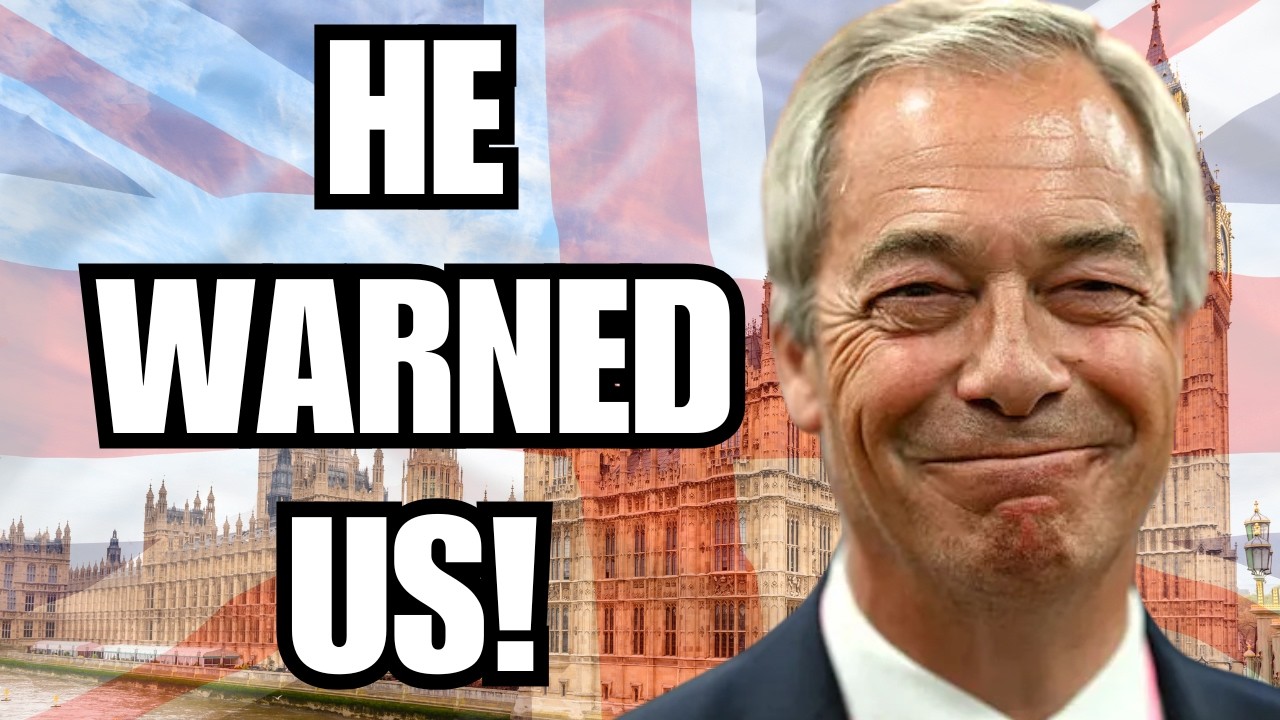
- Nigel Farage vows to fight Andy Burnham in 'Brexit Election' as PM accepts surrender deal
- Labour to unveil major EU reset legislation with £17bn boost promised to British economy

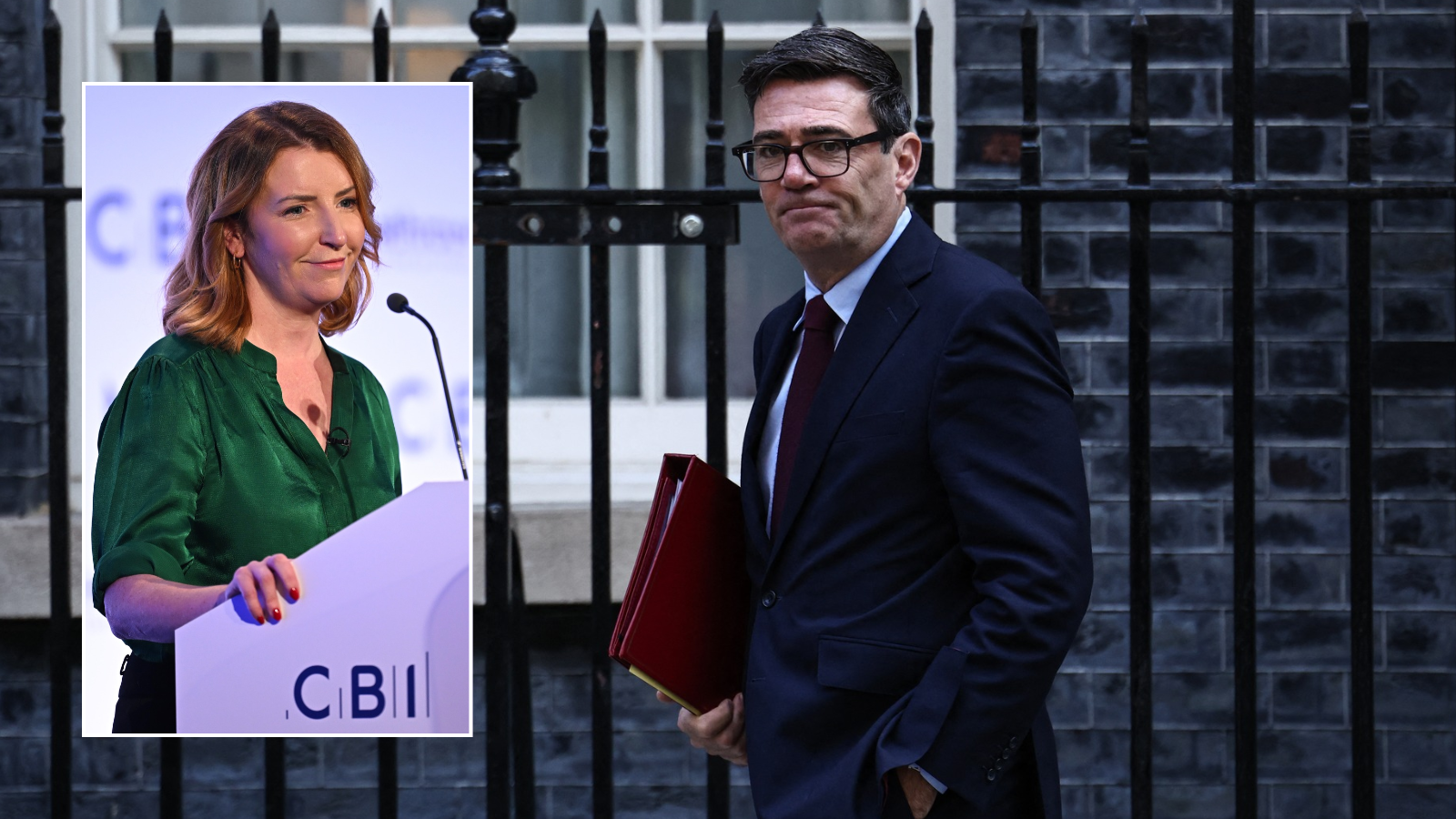
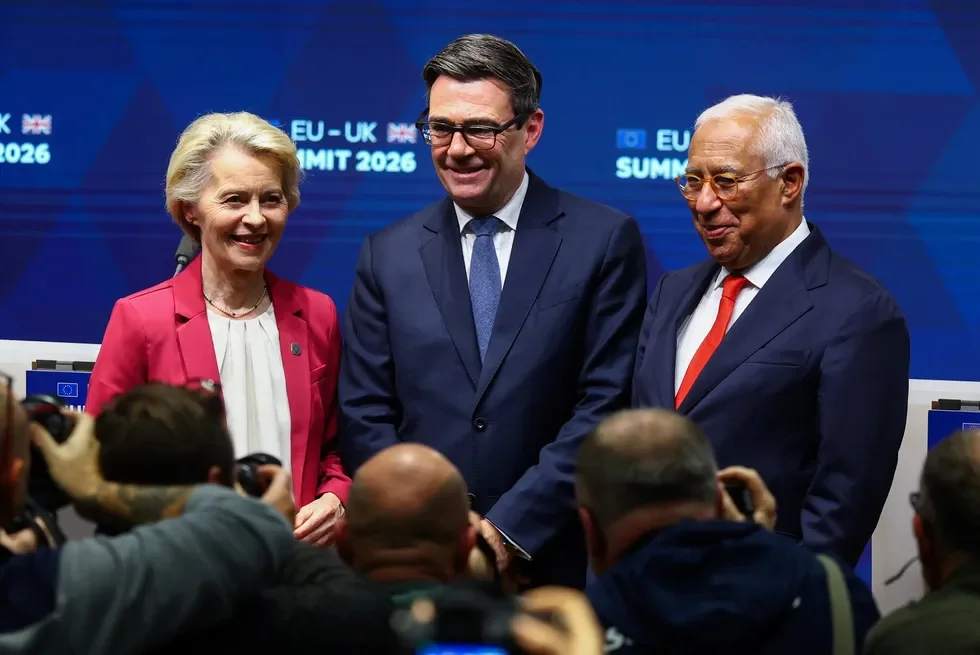
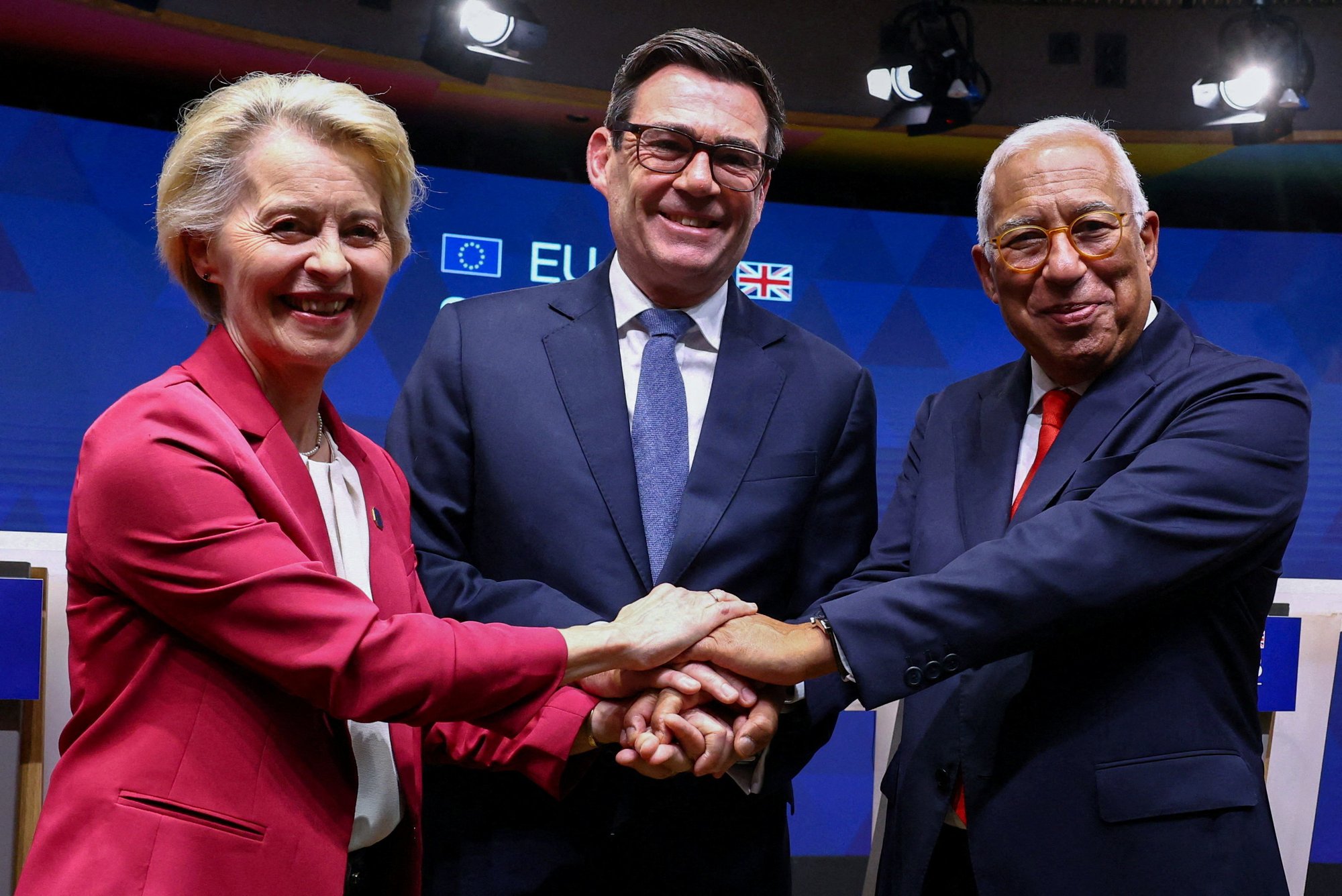
Now history seems to be repeating itself as Andy Burnham wants to get closer to Europe, and Nigel Farage doesn’t.
The PM made a statement in the Commons yesterday on what had been achieved.
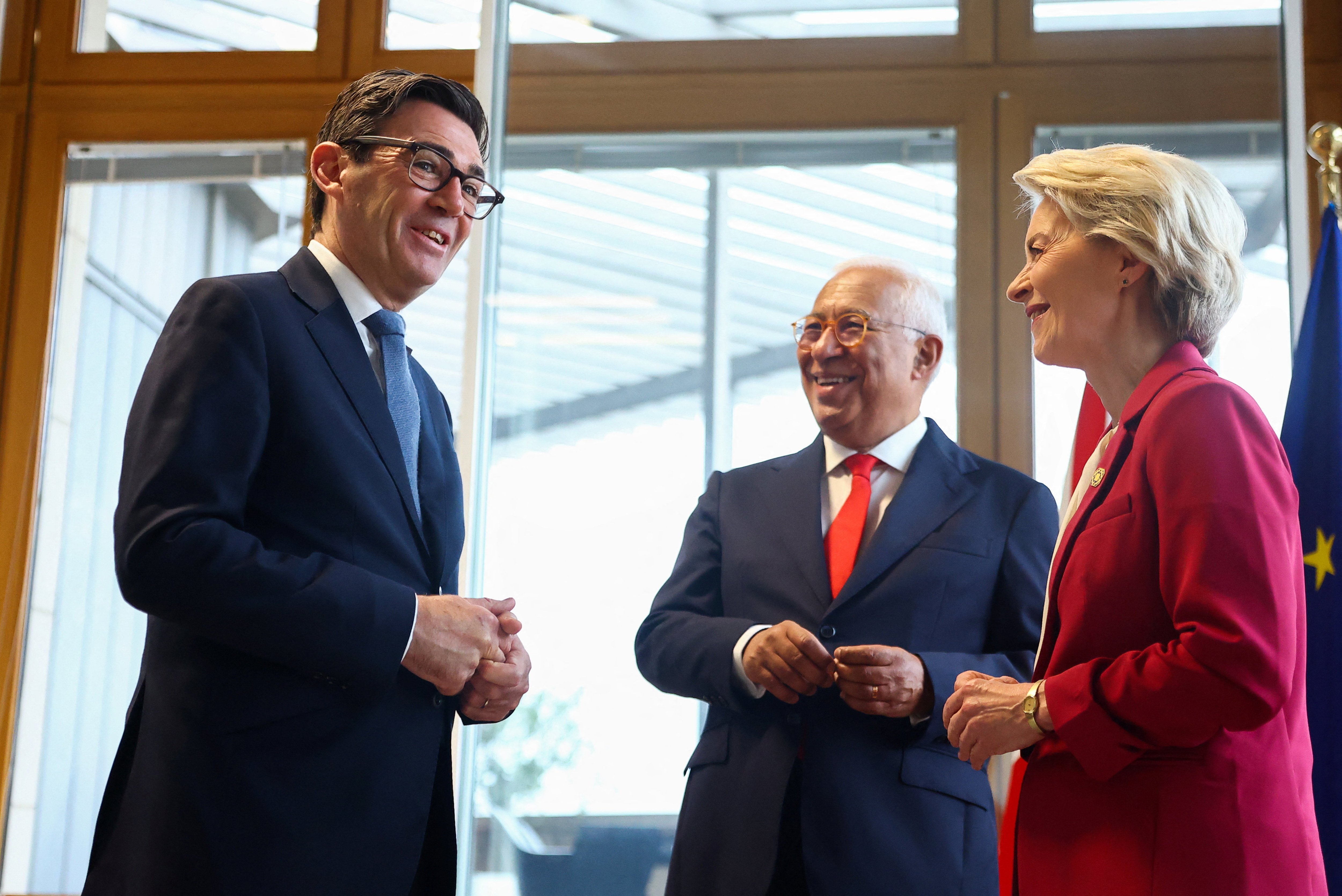
Now that the dust has settled on his talks in Brussels on Friday, it does seem to be a mixed bag.
On the one hand we are getting rid of the border controls which added £1,400, and a £200 health certificate, to each shipment of food which has pleased supermarkets and should eventually lead to cheaper prices.
And we are dodging the EU’s carbon border tax which would have cost British industry £1billion a year.

On the other we will be arguing with the EU for the next six months over whether their students should pay university tuition fees of up to £38,000 – or just the British rate of £9,790.
If the EU gets its way, our universities will be £500million worse off, a hefty sum that could see some of them go to the wall.
The question we must ask ourselves is whether that would be such a bad thing now that apprenticeships are seen as a sure pathway into work for young people.
What Friday did show is that negotiations with the EU are never plain sailing.
Which is why I do not see us becoming a full member, even though in 2016 I was a Remainer.
The basic arguments have not changed. If you voted for Britain’s sovereignty, to take back control of our laws, then you got what you wished.
But it came at a cost. The annual family food bill is at least £250 higher than it would have been had we stayed in, and wages are likely to be £400 lower than in France or Germany by 2030.
Our export trade would be worth £18billion more had 16,400 British firms not stopped trading with the EU because it was too much hassle.
Two months before the 2016 Brexit referendum I wrote: “My personal position on Europe is that we are better off in, though I don’t think it would be a disaster if we pulled out.”
If you don’t believe me, just Google it as it’s still there for all to see.
That remains in my position. But whatever comes next Colchester, St Albans and London are most probably safe.
Our Standards: The GB News Editorial Charter
What's Your Reaction?
 Like
0
 Dislike
0
 Love
0
 Funny
0
 Angry
0
 Sad
0
 Wow
0