





















Gen Z ditch Guinness and ales for 'woke' fruity ciders as classic pub favourites go out of fashion
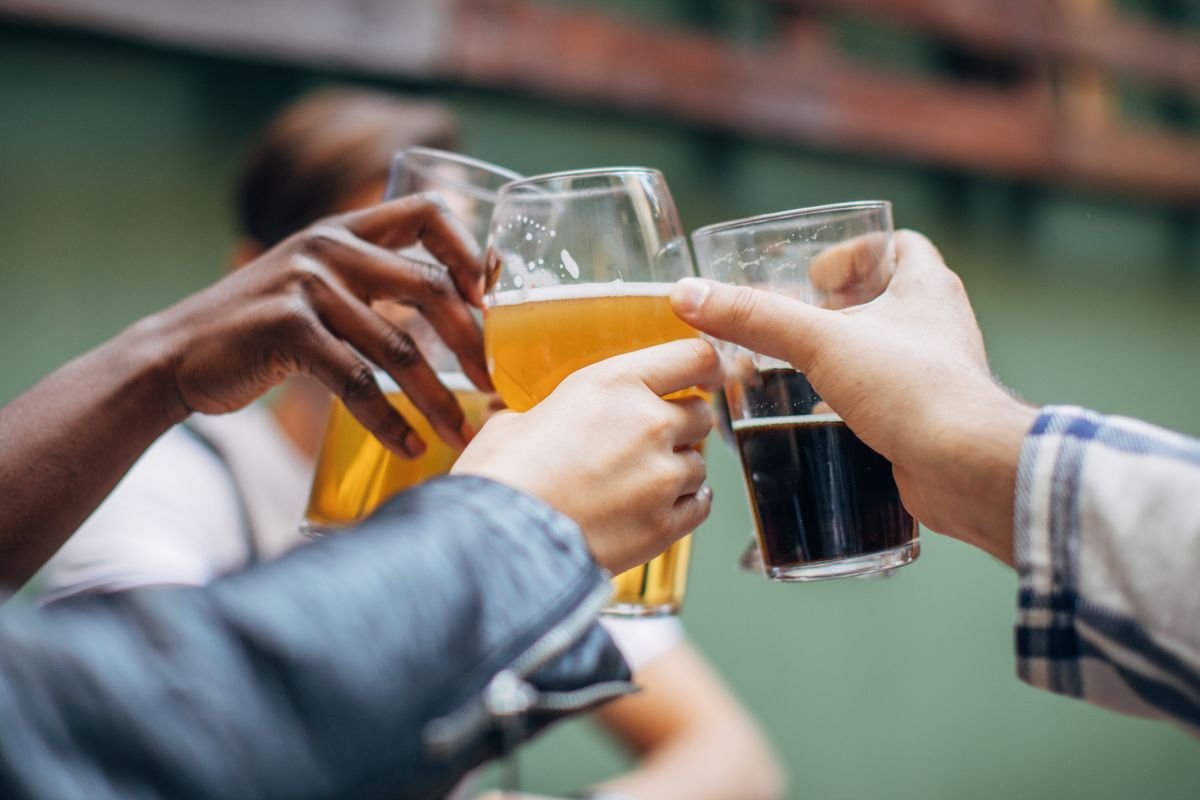
Younger drinkers are abandoning traditional stouts in favour of fruit-flavoured beverages and premium lagers, according to recent data. The shift marks a notable reversal following several years of renewed interest in classic British ales.
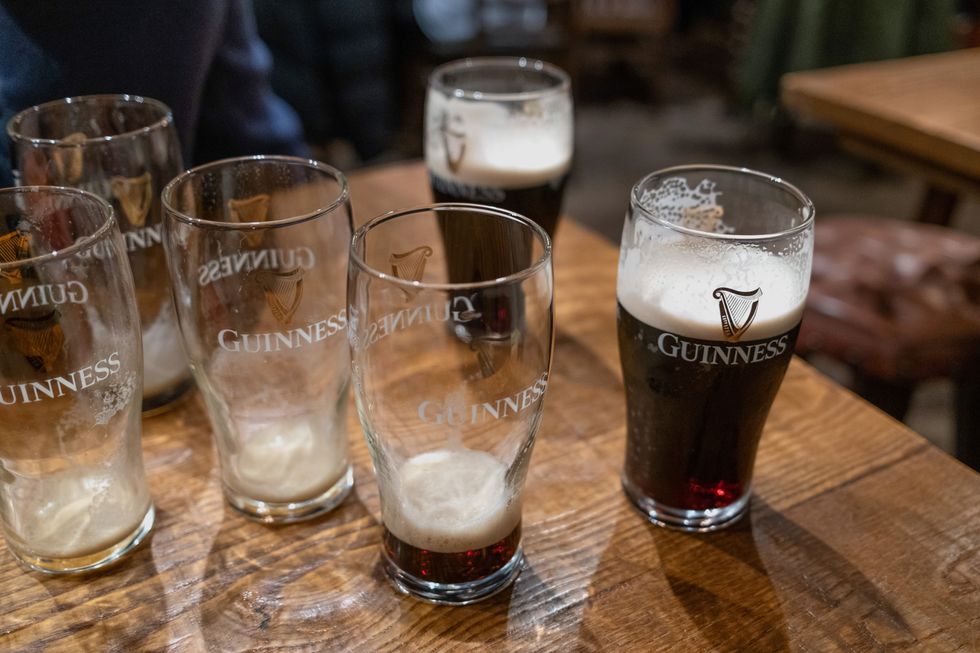
Guinness experienced declining sales during the July to September period of 2026, bringing an end to a boom that lasted from 2022 through 2025. The earlier surge had been driven by social media trends, including the "splitting the G" phenomenon.
Taking their place amongst Generation Z pubgoers are citrus-forward options and fruit-infused drinks. Jubel has gained traction with this demographic, as has the Japanese lager Asahi.
Jeremy Clarkson's Hawkstone brand also features among the beverages growing in popularity. The television presenter's offering represents the type of premium product now finding favour with younger consumers.
This transition suggests whilst Guinness faces little danger of disappearing entirely, changing tastes are reshaping what flows from British taps.
The changing landscape of pub preferences has seen numerous once-beloved drinks vanish from British bars over the decades. Watney's Red Barrel stands as a particularly notable casualty of shifting tastes.
First introduced in 1931, the bitter became the nation's top-selling keg beer during the 1960s. Its pioneering ability to withstand long-distance transportation without spoiling gave it advantages over traditional cask ales, allowing exports to destinations including New York.
However, the Campaign for Real Ale criticised its over-carbonated, uninspiring formulation. A reformulation arrived in the early 1970s under the name Watney's Red, but the brand had departed from British establishments by decade's end.
Golden Godwin suffered a different fate. Marketed as 'Champagne Perry' and served in coupe glasses during the 1950s, it offered budget indulgence until major French producers, including Bollinger and Lanson, mounted legal challenges against owners Bulmers.
The subsidiary entered voluntary liquidation in 1956 following its court defeat.
Banks's Mild, affectionately termed "Black Country milk", saw its cask ale version discontinued in 2024 by Carlsberg Marston's Brewing Company, though canned versions remain available.
Jeremiah Weed Sweet Tea achieved particular prominence within Wetherspoons outlets during the 2000s and early 2010s. Owner Diageo pulled the entire range from shelves in 2016 as sales declined, with the vodka-whiskey blend having been available in varieties including Peach and Sour Wash.
LATEST DEVELOPMENTS
- 'The most pointless crisps!' Britons baffled by Walkers' new festive flavour
- Hotel Chocolat pulls 17 batches of Christmas chocolates over Salmonella fears
- Greggs wants to get 'Festive Bake' into Oxford Dictionary as chain serves up 30 pages of evidence
Former enthusiasts recall the distinctive small jars in which the beverages were presented. One Reddit user confessed to having taken the containers from Wetherspoons as souvenirs.
Cherry B, a fortified cherry wine popular throughout the 1960s and 1970s, targeted female consumers primarily. Whilst some supermarkets and off-licences continue stocking it, publicans rarely do.
White Lightning met its end in 2009. The budget cider's sale in three-litre plastic bottles at 7.5 per cent alcohol strength became linked with problematic consumption and underage drinking.
Hop House 13 disappeared from English, Scottish and Welsh venues in 2021 after pandemic-era sales fell 8.7 per cent to £26.7million. Its Irish creators redirected resources towards Guinness production, though the lager remains obtainable in Ireland.
Alcopop culture saw Metz achieve iconic status during the 1990s, largely through television commercials featuring a swamp creature dubbed 'The Judderman'. Bacardi-Martini's schnapps-based offering at 5.4 per cent alcohol disappeared during the following decade as government measures introduced stricter advertising regulations and elevated taxation on such products.
Jacques, Strongbow's fruity cider range, enjoyed sustained popularity during the 1990s and 2000s. Its Fruit des Bois variant proved particularly successful before the brand's quiet withdrawal around 2013, with Strongbow Dark Fruits assuming its market position.
Carling Premier's discontinuation in can format provoked considerable upset amongst football supporters, despite its 1992 launch having commemorated the brewery's Premier League sponsorship. The nitrogen-activated brew offered smoothness and elevated alcohol content at 4.7 per cent compared to standard Carling products.
Draft versions survive in select establishments, but the absence of canned options prompted 780 signatures on a Change.org petition demanding their return the following February.
Not all nostalgic beverages face permanent exile from British drinking establishments. Several products have staged successful returns after extended absences from pub counters and supermarket shelves.
Babycham was launched in 1953 as an affordable pear-based alternative for women seeking champagne-style refreshment. The drink dominated the 1950s through the 1970s before collapsing during the 1980s as wine and cocktails gained preference.
Though never formally withdrawn, finding a bottle proved challenging for many years. A 2016 relaunch repositioned it as a nostalgic option competing with Prosecco, now marketed for celebratory occasions rather than regular consumption.
Bacardi Breezer represents another resurrection story. The alcopop dominated youth culture during the 1990s and 2000s following its 1993 UK debut before discontinuation in 2015.
After a decade's absence, it returned to retailers and licensed premises in 2025. The revived formula contains 3.4 per cent alcohol, reduced from the original 4 per cent, with flavours renamed Zesty Orange, Zingy Lime and Crisp Watermelon whilst honouring earlier varieties.
Our Standards: The GB News Editorial Charter
What's Your Reaction?
 Like
0
 Dislike
0
 Love
0
 Funny
0
 Angry
0
 Sad
0
 Wow
0