

















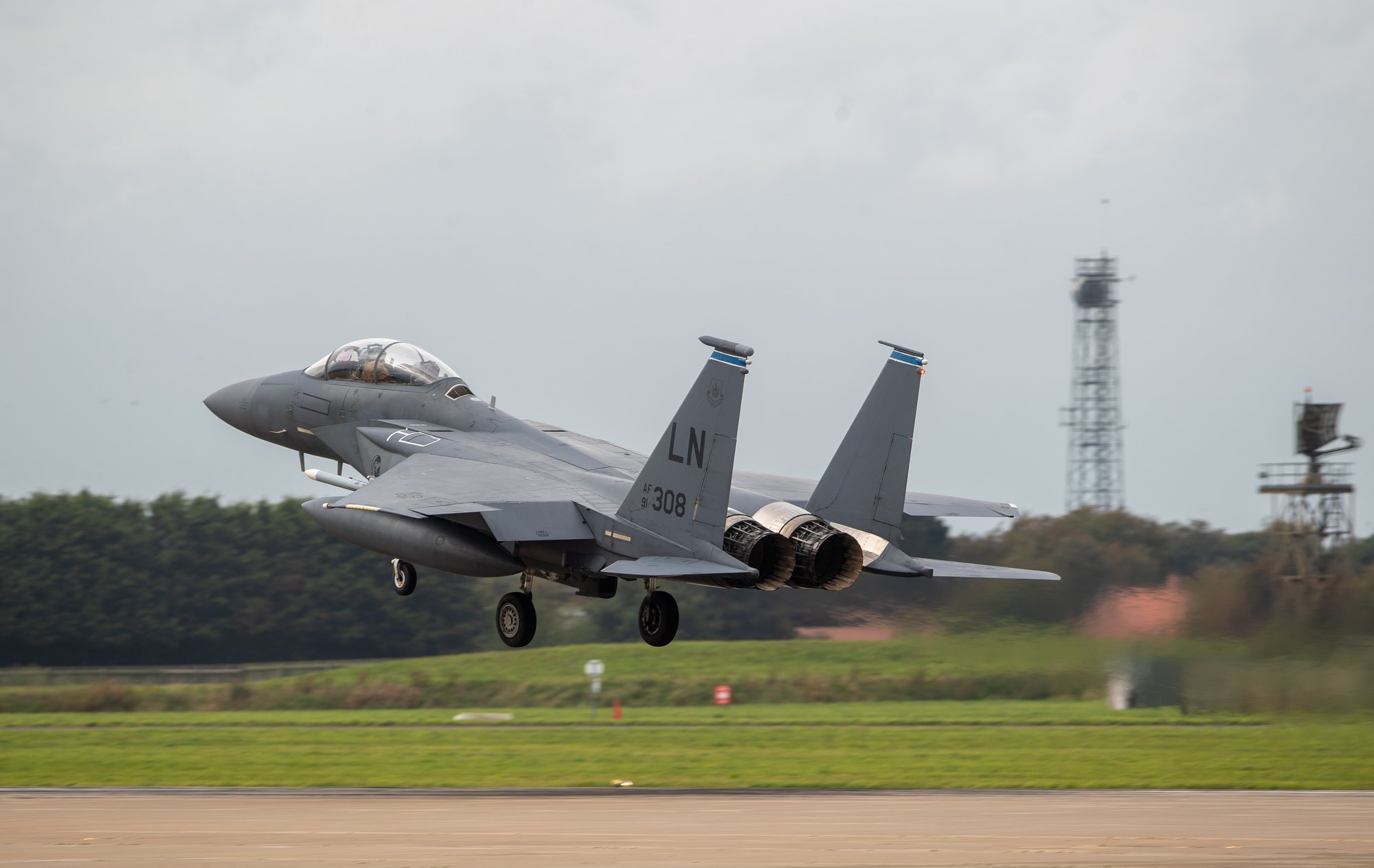







'Jet zero': Nato planes could be GROUNDED if Europe conflict erupts amid jet fuel shortage
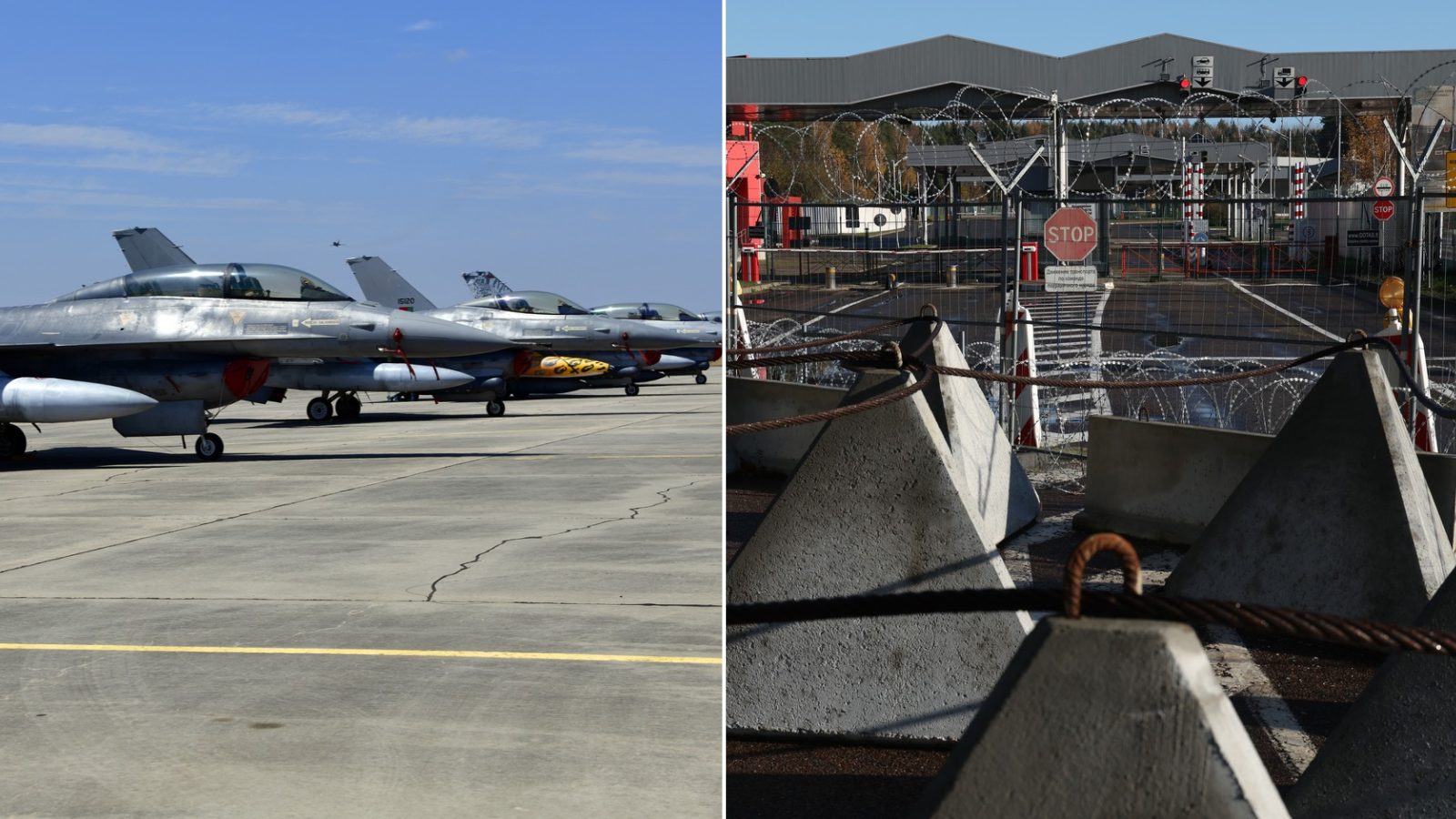
Nato could face jet-fuel shortages in a major European conflict if refinery closures continue, a new study has warned.
Dubbed 'jet zero' by analysts, the shortages could take place if US forces join Europe in a large-scale war in the mid 2030s.
The "reasonable worst case" scenario, from a report from the Nato Energy Security Centre of Excellence, also assumes rapid refinery closures, severely restricted imports and stalled alternative-fuel production.
Under these conditions, even if every drop of civilian jet fuel were to be diverted to the military there would not be enough to meet Nato needs, the report, Fuelling the Forces to 2050, says. It describes the outcome as "unlikely but possible".
A key problem is the shrinking European refining industry, which has been driven in part by the race to decarbonise.
Refineries are needed to turn crude oil into jet fuel. The paper points to carbon costs, overseas competition and falling road-fuel demand as piling pressure on Europe's refineries.
The UK alone has lost five refineries in the last 20 years, with two of these – Grangemouth and Lindsey – closing their doors in 2025.
A recent report found the UK's four remaining refineries each faced annual carbon taxes of £50million.

The Nato-linked study, Fuelling the Forces to 2050, estimated that Nato Europe has lost 16 per cent of its conventional refining sites between 2015 and 2025.
Up to 30 per cent of Nato Europe jet fuel is imported. But, since the invasion of Ukraine, these imports have become concentrated on a handful of suppliers.
The Iran war has also highlighted the dangers of relying on shipments through chokepoints such as the Strait of Hormuz.
Protecting strategic refineries from closure was cited as the biggest single supply-side measure to bolster fuel security.
LATEST DEVELOPMENTS
- 'Air miles Andy!' Jet-setting Andy Burnham racks up enough taxpayer-funded flights to nearly circle globe in first 115 days
- Europe has 'just six weeks of jet fuel remaining', energy chief warns
- EasyJet to increase ticket prices as Iran conflict causes jet fuel costs to surge

“Conventional refining capacity is closing faster than conventional demand is falling”, the report states. “Conflict, should it occur, pushes in exactly the opposite direction.”
Ringfencing existing refineries would not be enough on its own in the most severe scenario, the research finds.
It recommends more secure sources of imports, stronger reserves and also the faster development of alternative fuels, such as biofuels or synthetic jet fuels.
The authors also looked at other, less severe scenarios. In most, they found, supplies could meet demand.
Stockpiles and imports could cover limited campaigns while a regional war might demand a ten per cent reduction in civilian fuel consumption.
The report was written for Nato, but the authors stress that it does not reflect official Nato policy.
Elizabeth de Jong, Chief Executive of trade association, Fuels Industry UK, welcomed the research. She has long called for greater protection of Britain's refining capacity.
She said: “This report lays clear the critical importance of our refineries not only to our energy security, but also our national security.
“It outlines how refining capacity is the single biggest influence on ensuring our armed forces have the fuels they need. If we are to have resilience, we need to have refineries”.
Andy Mayer, energy analyst at think tank, the Institute of Economic Affairs, said: "National security is energy security and, if Net Zero plans mean 'jet zero' planes capable of flight to a fight, both are at risk.
"Europe's refining capacity, then, should remain a strategic asset, the diversity and extent of which reduces the risk of it being knocked out early in a future conflict."
GB News has contacted the Government for comment.
Our Standards: The GB News Editorial Charter
What's Your Reaction?
 Like
0
 Dislike
0
 Love
0
 Funny
0
 Angry
0
 Sad
0
 Wow
0