


















Labour rips up Blue Plaque scheme to feature more homes of 'diverse British heroes'
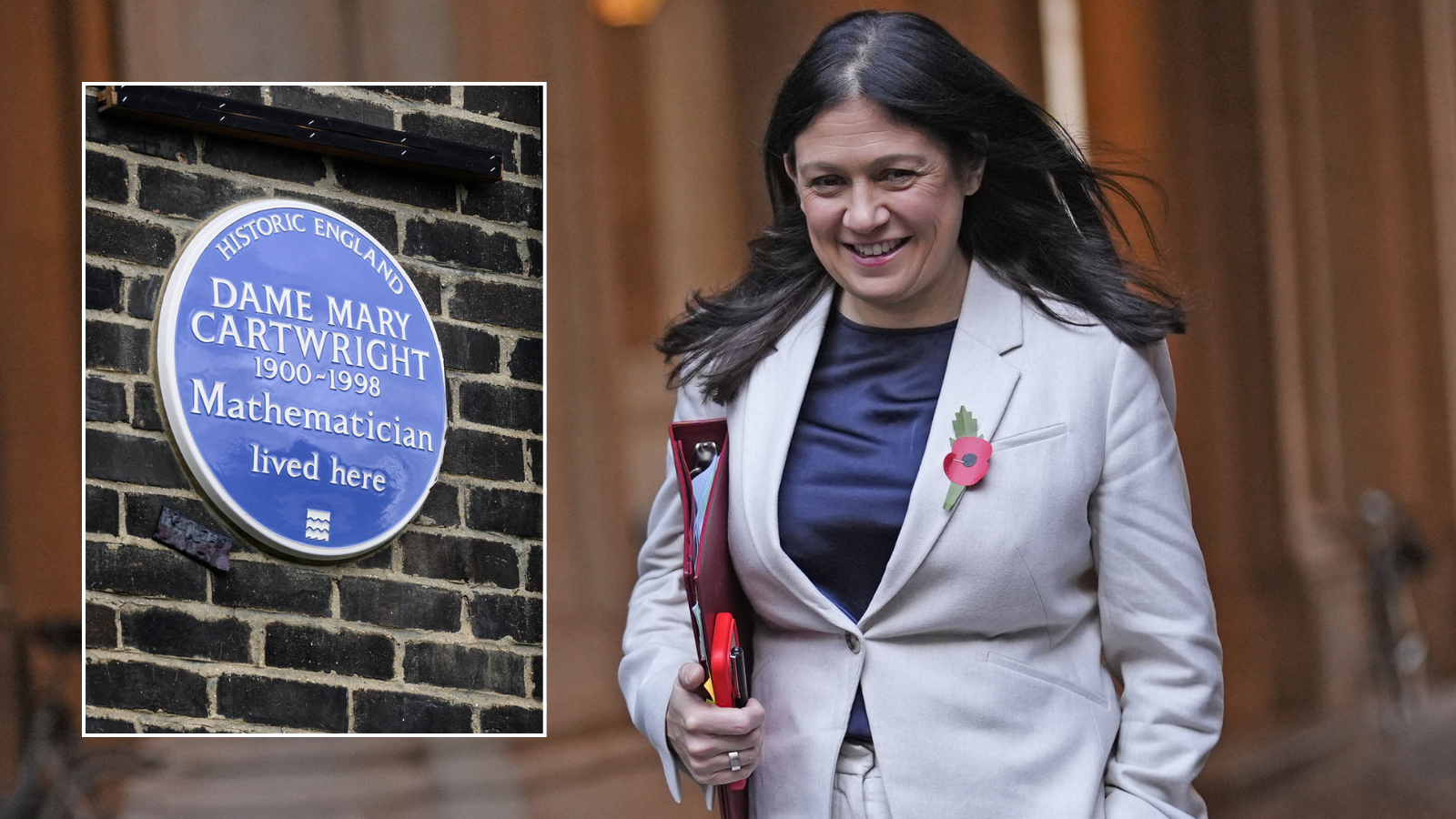
The Government has launched a radical shake-up of the Blue Plaque scheme to feature more homes which once belonged to diverse British heroes.
Originating in London in 1866 before spreading across the country, the programme installs permanent plaques on buildings to mark where notable people lived or worked.
Until now, prospective buildings which had undergone significant changes or replacement since a nominee had lived or worked there were unable to receive a plaque.
The Department for Digital, Culture, Media and Sport (DCMS) warned this rule had left “many brilliant people or groups throughout history” unable to be recognised.
The DCMS insisted reforming the scheme to remove this barrier would “help ensure more of Britain’s diverse history is represented”.
The programme has now been expanded to historic figures linked to lost music and performance venues and ex-residents of demolished homes, as well as workers and innovators connected to former factories and workshops.
The public are now able to put forward their nominations under the revised rules.
Unveiling the shake-up, Culture Secretary Lisa Nandy said: “Throughout our history, it has been ordinary, extraordinary people who have built our country and created lasting change.

“From millworkers who fought for fair wages, safe working conditions and the rights of women, to the Windrush generation who helped shape our NHS, transport, manufacturing industries and more – too often their contributions have been airbrushed from our national story.
“Until now, it was difficult to commemorate their achievements with a blue plaque. These rules were outdated, unfair and do not reflect who we are as a nation.”
She added: “That’s why we have changed the rules so that we can properly commemorate the heroes who shaped our communities and changed our country for the better.
“I hope people across the country will come forward and nominate the people whose contributions are a vital part of our national story and deserve to be told and remembered.”
LABOUR - READ THE LATEST:
- Labour hauls in TV bosses over 'abuses of power' after David Walliams and Russell Brand scandals
- Labour spends FIFTY times more handing out benefits than getting people back to work
- Britons rush to stockpile tinned food and bottled water after Labour accused of sparking 'panic'

Following the success of the programme in London, the National Blue Plaque Scheme was launched in 2023 and is run by Historic England on the DCMS' behalf.
Ministers handed Historic England £100,000 this year to support the national scheme, with the money being used for grants to local community groups and grassroots organisations.
The funding provided to the groups goes towards researching and developing nominations that address historic underrepresentation and improve geographical reach.
The revised changes to building criteria will affect both the London and nationwide schemes.
British-Nigerian historian David Olusoga welcomed the expansion, saying: “English history has been shaped by women as well as men, by the poor as well as the wealthy, and by people across England and not just those who lived in London.
“These welcome changes will liberate Historic England and English Heritage to celebrate the stories of England’s hidden heroes with their beloved blue plaques.”
Historic England’s head of participation programmes, Ellie Djerir, insisted every community in Britain had people who “deserved to be remembered”, but the buildings they were connected to were no longer standing.
“By widening the criteria of the National Blue Plaque Scheme, we can now celebrate more of the people who have shaped our history, wherever they lived and worked,” she said.
Applications for both the London and nationwide schemes will run until January 13, with new plaques based from the nominations being unveiled next year.
Our Standards: The GB News Editorial Charter
What's Your Reaction?
 Like
0
 Dislike
0
 Love
0
 Funny
0
 Angry
0
 Sad
0
 Wow
0