




















Bond markets reel amid Labour leadership challenge rumours as Britain's debt continues to mount
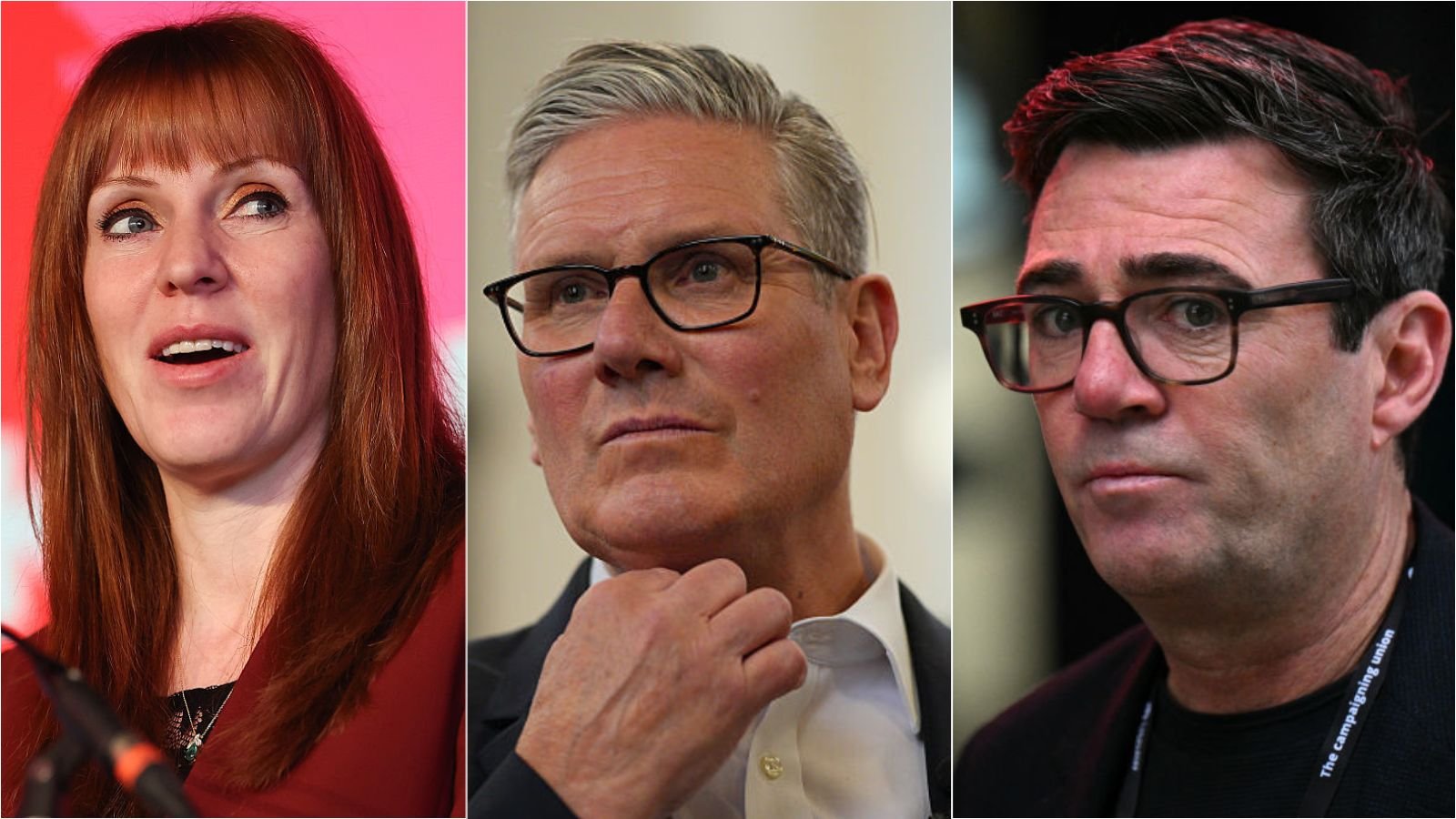
Bond markets have been left reeling amid Labour's leadership challenge rumours as Britain's debt continues to mount.
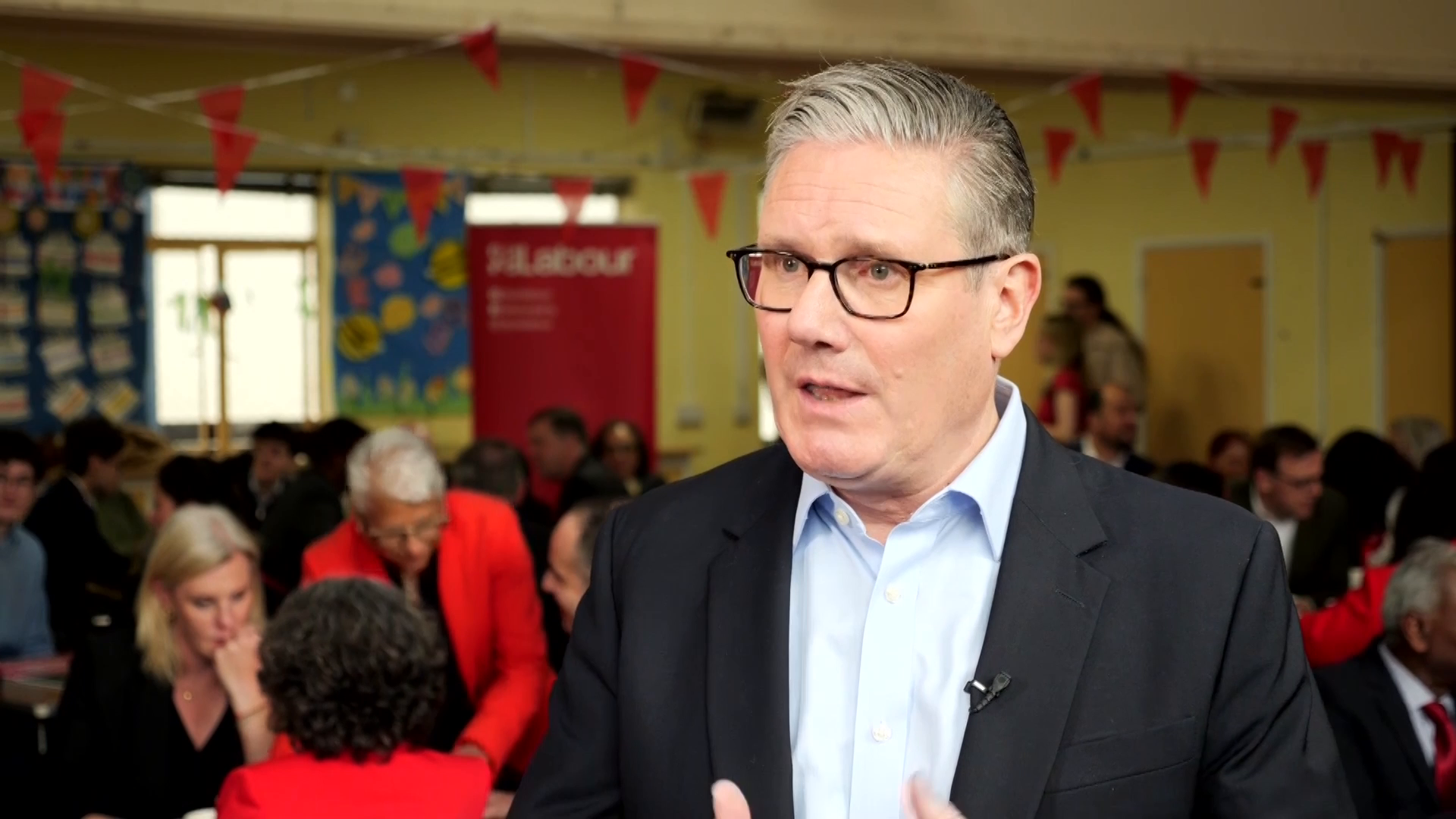
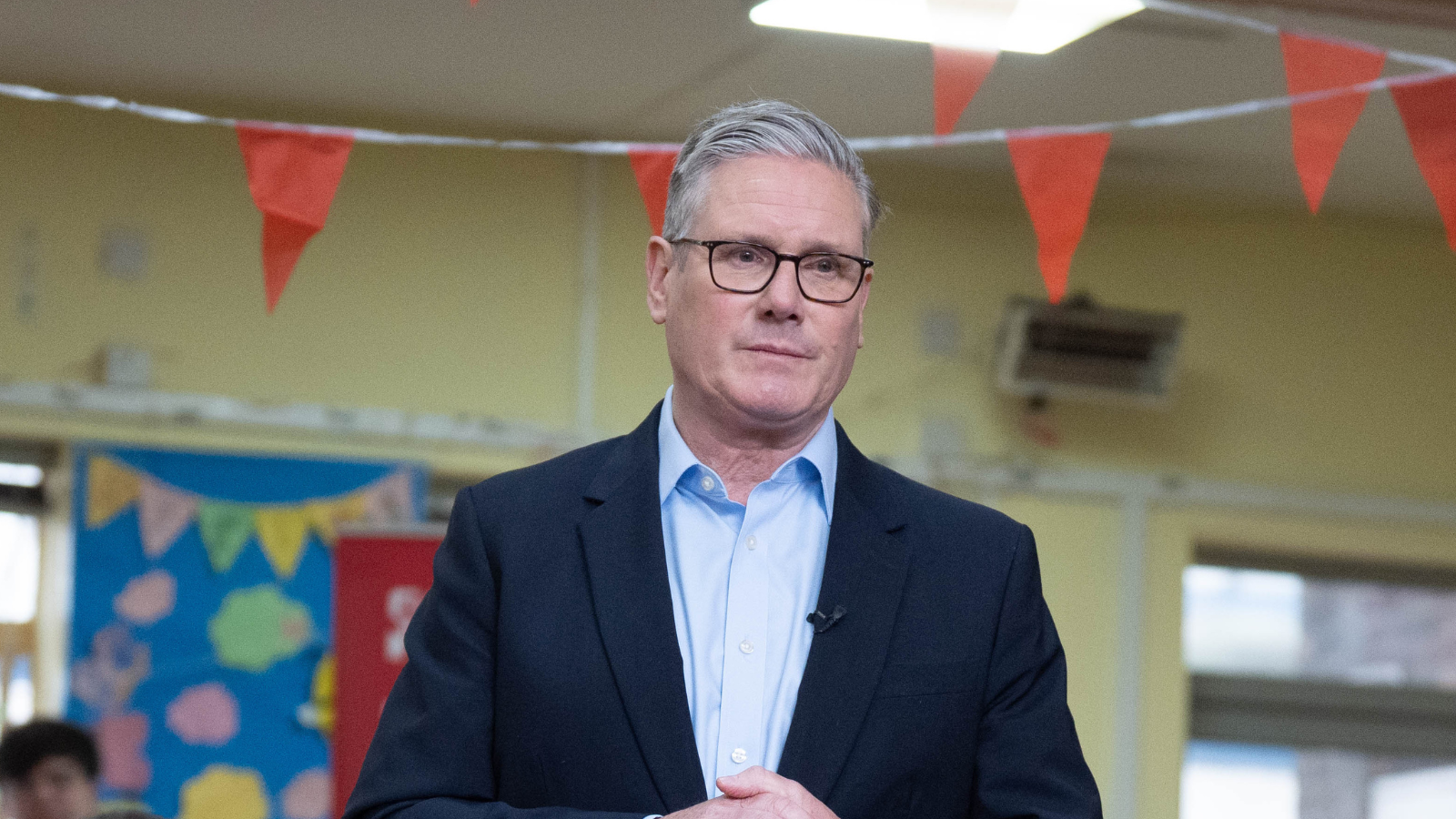
Earlier today, Sir Keir Starmer insisted that he would not “walk away” from Downing Street, despite mounting pressure following Labour’s bruising local election losses.
The Prime Minister’s defiant stance came after reports that some Cabinet ministers had urged him to outline a timetable for his departure, amid growing unease within the party.
Sir Keir’s comments appeared to briefly steady investor sentiment, with Deputy Prime Minister David Lammy warning against “changing the pilot during the flight”.
Former shadow chancellor John McDonnell offered a pointed response to the comparison, saying “sometimes you do if you’re in a nosedive”.
Despite interventions from senior Labour figures, financial markets remain unsettled as Britain grapples with the economic fallout from the Iran conflict.
The UK is facing some of the steepest growth downgrades among major economies, alongside the highest inflation rate in the G7.
Britain is also regarded as particularly vulnerable to volatile gas prices, adding further pressure to the country’s economic outlook.
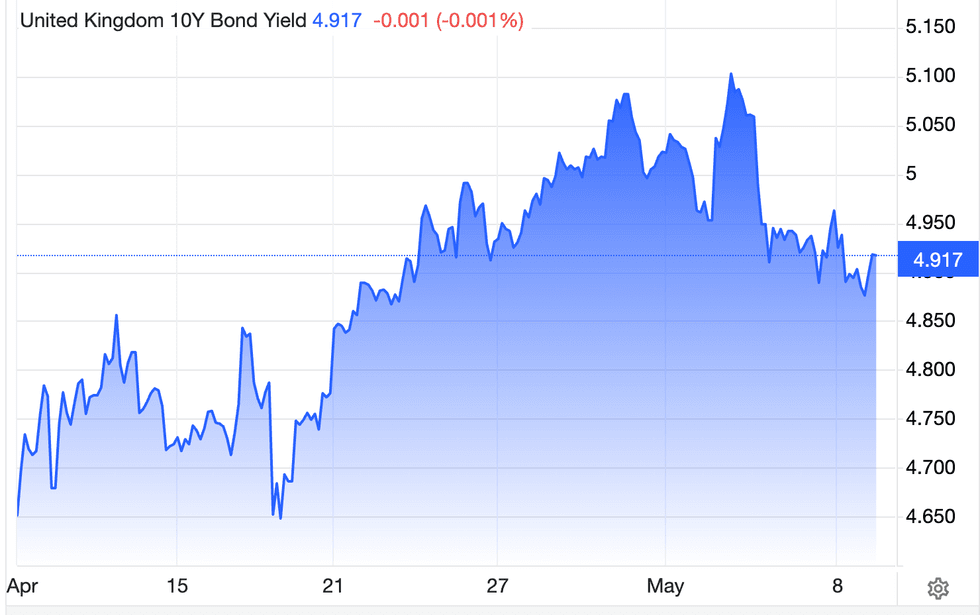
Since the outbreak of hostilities, UK gilt yields have risen by around three quarters of a percentage point, outpacing increases seen in both American and European bond markets.
The benchmark 10‑year gilt yield briefly climbed above five per cent, reaching levels not seen since the 2008 financial crisis.

Long‑dated 30‑year bonds rose even further, touching their highest level since 1998.
Investors are increasingly pricing in higher inflation expectations, the possibility of additional Bank of England interest rate rises, and worsening risks to Britain’s already fragile growth prospects.
Although the current turbulence remains below the scale of the sell‑off triggered by Liz Truss’s mini‑Budget, economists and senior City figures are warning that the gilt market may be approaching a critical point.
Britain’s reliance on overseas investment has left the country particularly exposed to shifts in market confidence.
The UK currently maintains what economists describe as a negative net international investment position, meaning foreign investors own more British assets than UK investors hold abroad.
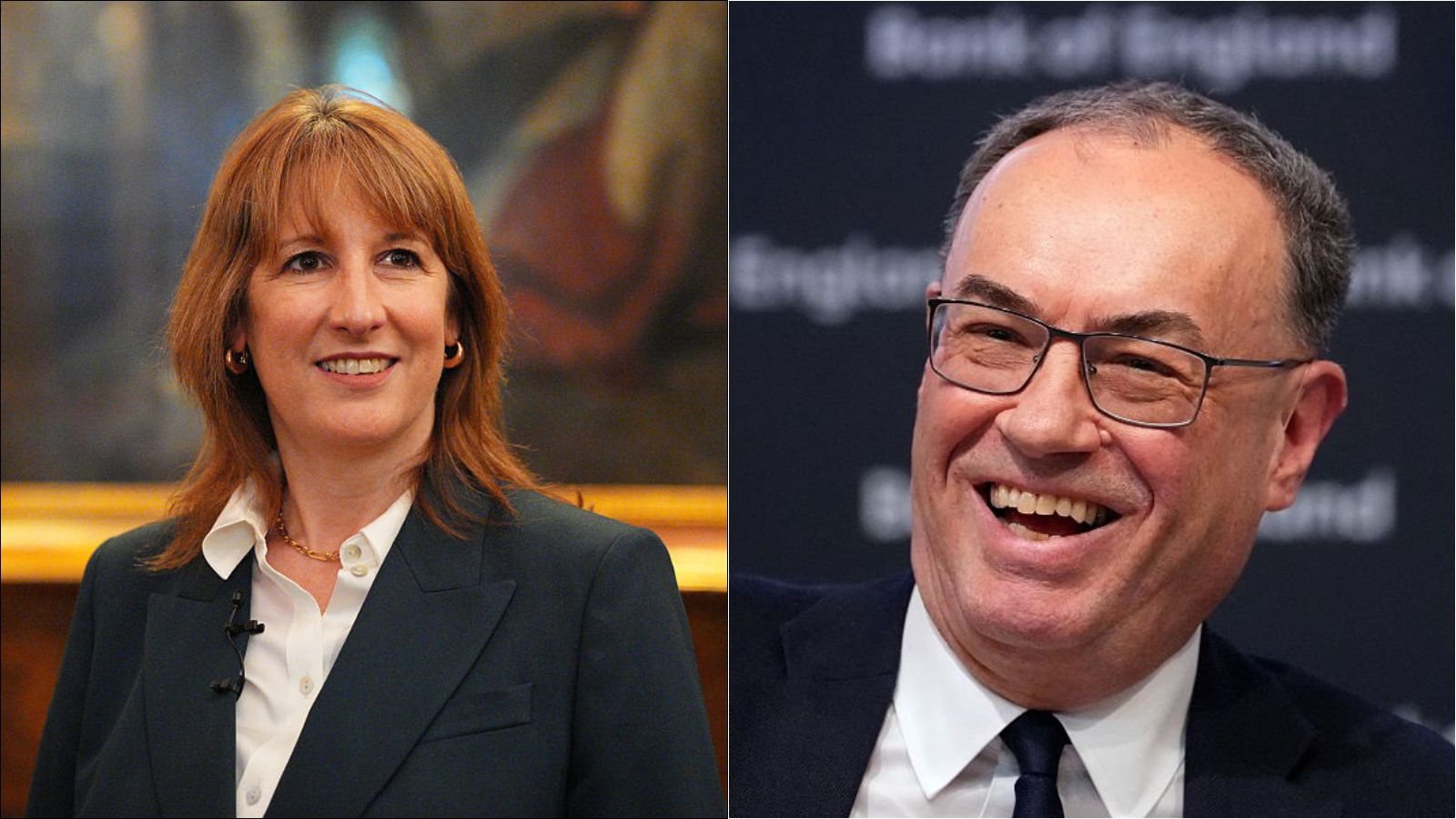
Jim Reid, an economist at Deutsche Bank, said Britain remained “reliant on the kindness of strangers” and had “limited buffers against external shocks”.
LATEST DEVELOPMENTS
- Green Party member admits feeling ‘uncomfortable’ after party announcement made in foreign language
- Zack Polanski declares ‘two-party politics is dead’ as he predicts showdown with Reform
- Kemi Badenoch insists ‘the country needs us’ as Tory leader declares Conservatives ‘coming back’
The fiscal burden facing the Government is already substantial, with Britain spending around £100billion annually servicing national debt. That figure accounts for almost eight per cent of total Government revenues.
Ratings agency Fitch warned earlier this year that the proportion was more than double the 3.7 per cent average recorded among similarly rated economies, and significantly higher than levels seen in France or Germany.
The agency said “sustained higher than expected yields are a key risk to our medium‑term debt projections”.
Speculation over Sir Keir’s long‑term future has also increased scrutiny on potential successors within Labour.
Angela Rayner, Andy Burnham and Wes Streeting are all reportedly being discussed as possible contenders for Number 10 should the Prime Minister’s position weaken further.
Bond markets are viewed as particularly sensitive to the possibility of Labour shifting further to the Left under a future leadership contest.
Neil Mehta, Macro Portfolio Manager at RBC Blue Bay, said “I think if it’s Rayner or Burnham, I think the general reaction from bond markets is not going to be positive”.
He added that uncertainty surrounding Labour’s direction could persist for an extended period, and that this “could actually linger for a while, and in that period, I think gilts will continue to underperform versus other markets”.
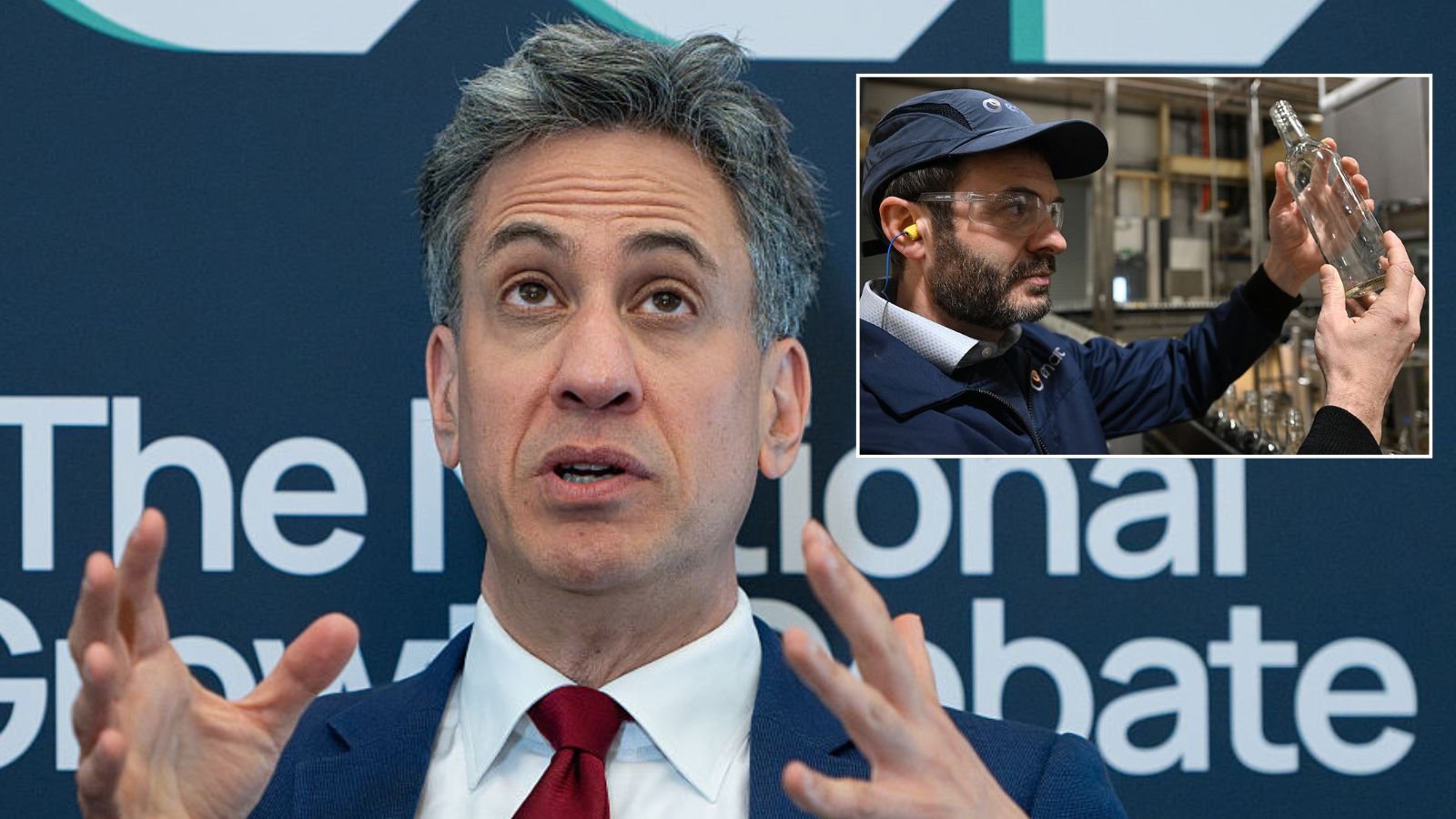
The prospect of Ed Miliband serving as Chancellor under a future Labour leadership has also fuelled concern among some investors.
Mr Mehta said markets were focused primarily on fiscal discipline and economic growth rather than higher taxation or increased borrowing.
He added: “What the bond market would be looking for is cost savings and less spending.”
Mr Mehta said a further Leftward shift in Labour’s economic direction would leave policymakers facing two difficult choices. “You either borrow more or you tax more, which, from my perspective, don’t seem like the solutions that would be most ideal.”
Simon French, chief UK economist at Panmure Liberum, warned that the Bank of England could come under mounting pressure to intervene if gilt yields continue climbing.
He said: “If the 10‑year were to hit 5.5 per cent, the pressure would become very, very significant for the Bank to act.”
With yields currently standing at 4.9 per cent, markets remain close to that threshold.
Our Standards: The GB News Editorial Charter
What's Your Reaction?
 Like
0
Like
0
 Dislike
0
Dislike
0
 Love
0
Love
0
 Funny
0
Funny
0
 Angry
0
Angry
0
 Sad
0
Sad
0
 Wow
0
Wow
0