






















Scientists sequence deadly cruise ship virus as outbreak mystery deepens
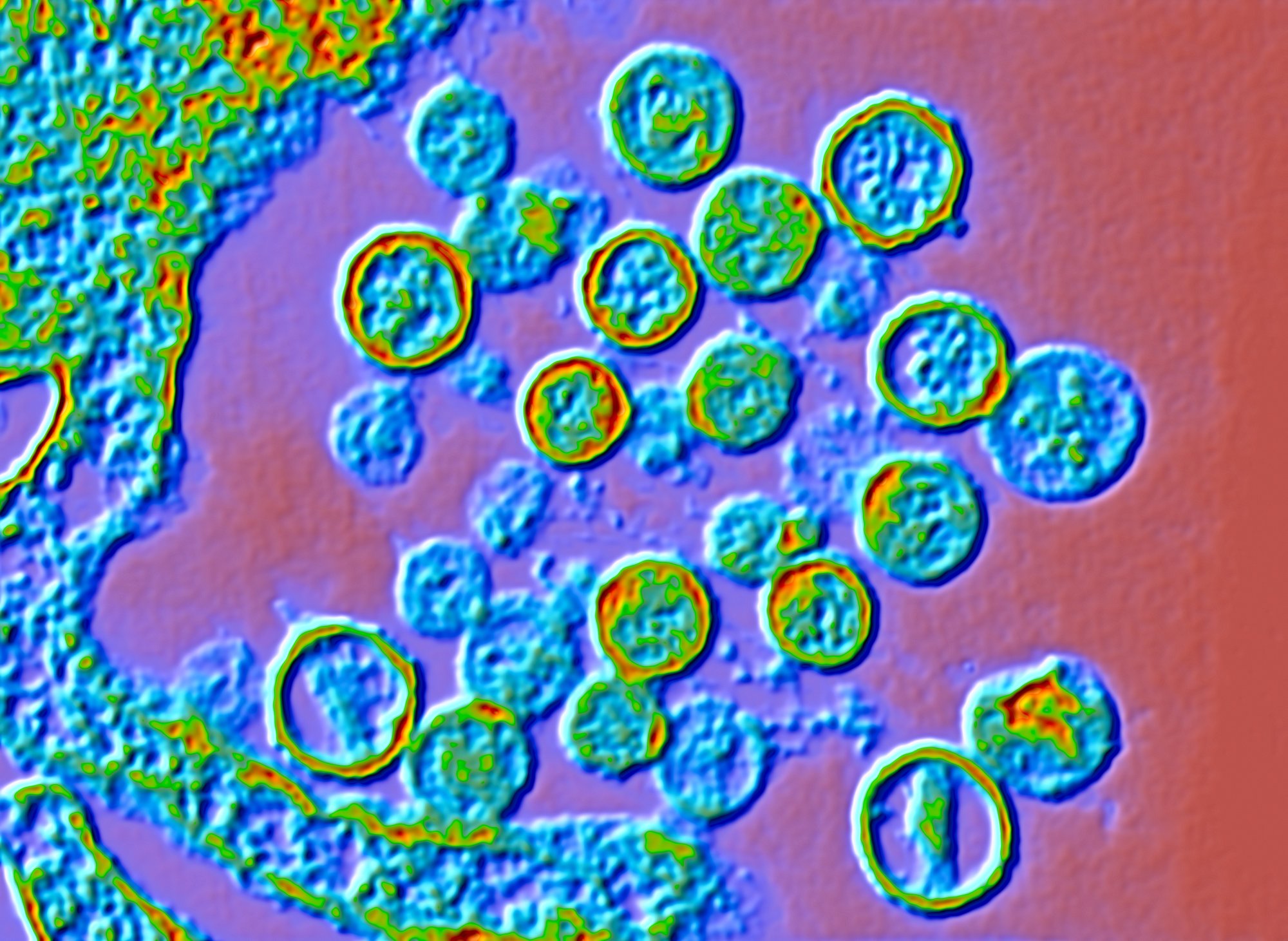
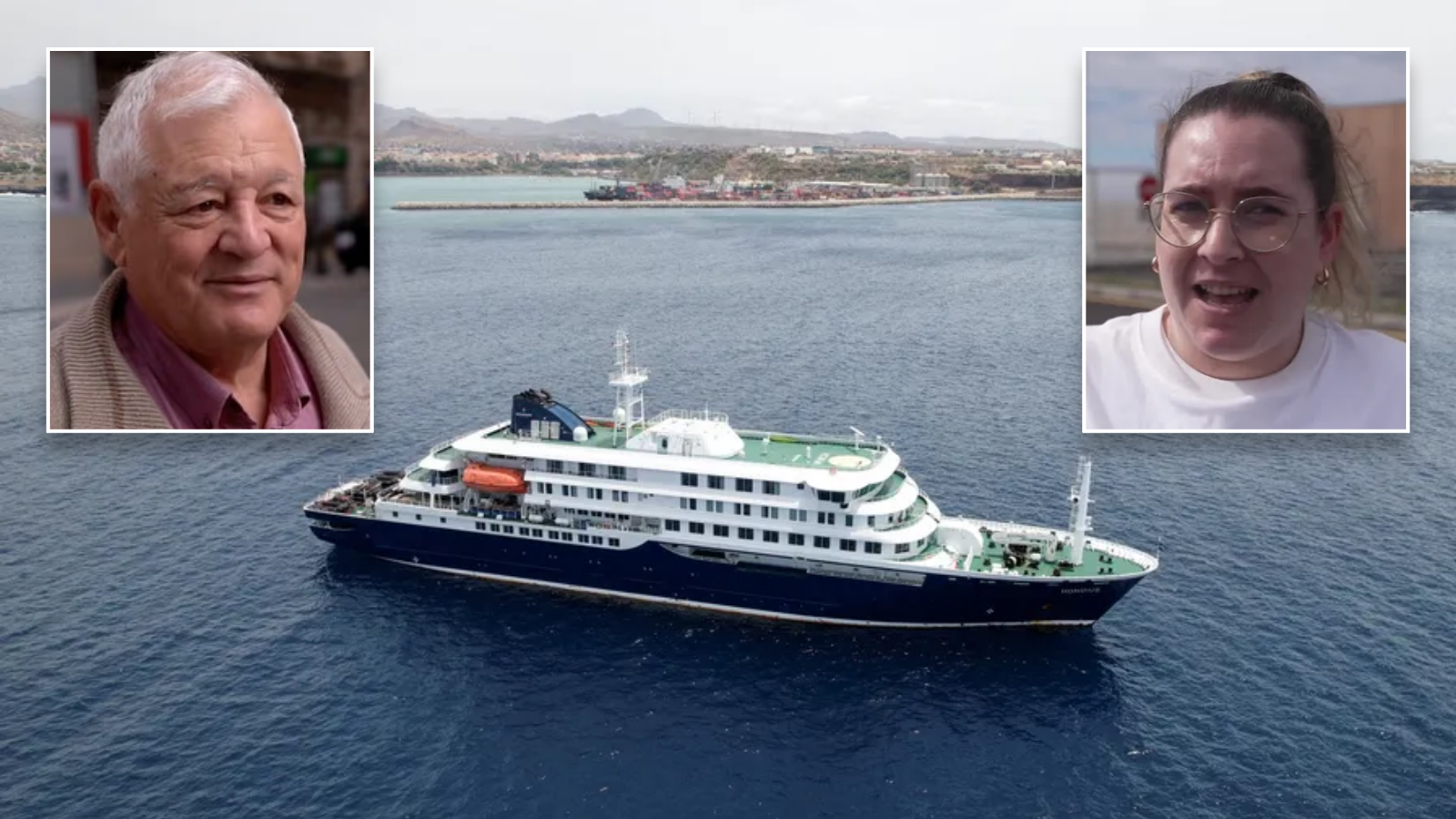
Scientists have now fully sequenced the hantavirus strain linked to the deadly outbreak aboard the MV Hondius - but experts say they still cannot tell whether passengers caught it from rodents or through rare human-to-human transmission.
The first complete genetic sequence from the outbreak - taken from a Swiss patient infected with the Andes strain of Hantavirus - has been analysed by Swiss researchers as investigations continue into the cluster linked to the cruise ship.
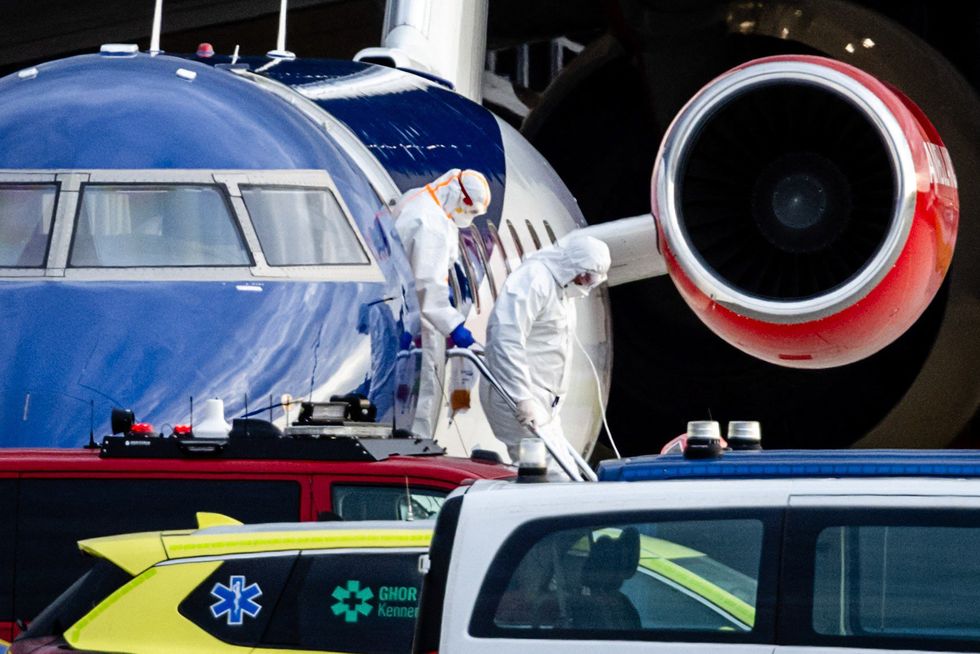
The outbreak has already been linked to three deaths, while British passengers are being flown home under strict quarantine measures.
Professor Piet Maes, President-elect of the Hantavirus Society and virologist at the Plotkin Institute at the university of Brussels said: “The available … data …suggest that the Swiss patient isolate represents a relatively typical naturally circulating … lineage originating from the established rodent reservoir in Chile/Argentina, rather than a highly divergent or newly emerged variant."
Experts say this means the virus appears to resemble known Andes virus strains already circulating naturally in rodents in South America - rather than a dangerous new mutation.
The Andes strain is one of the most feared forms of hantavirus because it has previously been linked to rare person-to-person transmission and fatality rates of up to 40 per cent.
Investigators believe the outbreak may be linked to a birdwatching trip in Argentina taken by some passengers before boarding the ship on April 1.
Professor Maes said: “The relatively short branch lengths and close phylogenetic relationship to previously described human and rodent isolates further support the interpretation of a recent transmission event from the natural rodent reservoir to a human host.”
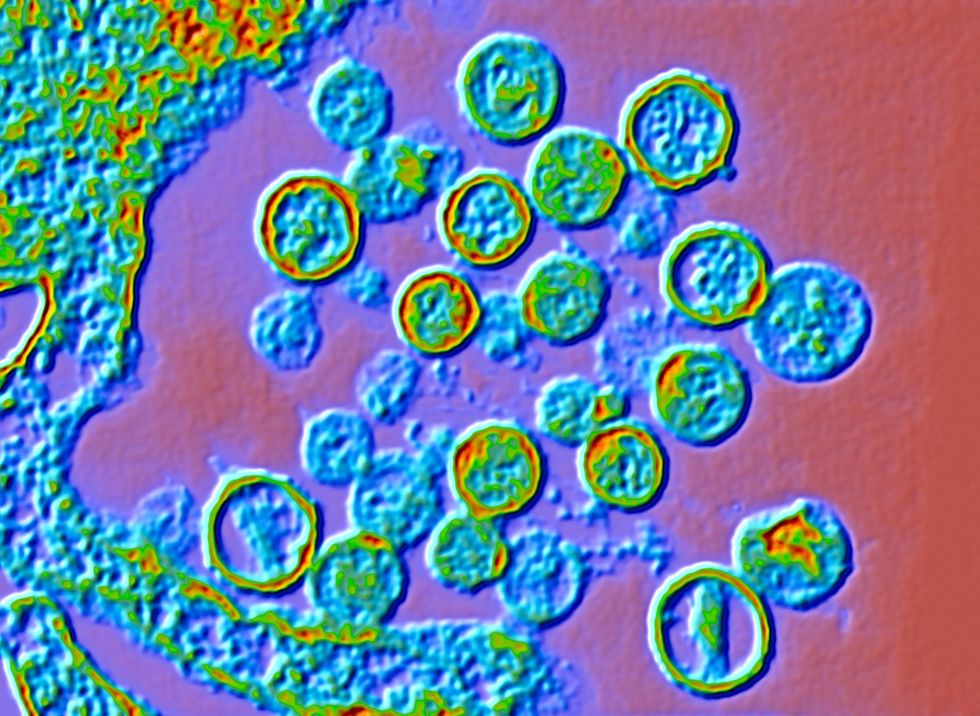
But he warned scientists still cannot rule out onboard transmission.
He said: “Importantly, while these genomic findings do not indicate the emergence of a fundamentally novel Andes virus strain, the genomic data alone cannot distinguish between direct zoonotic acquisition and secondary human-to-human transmission in this case, both of which remain biologically plausible for Andes virus”
The World Health Organisation has warned more cases could still emerge because the virus can incubate for up to six weeks before symptoms appear.
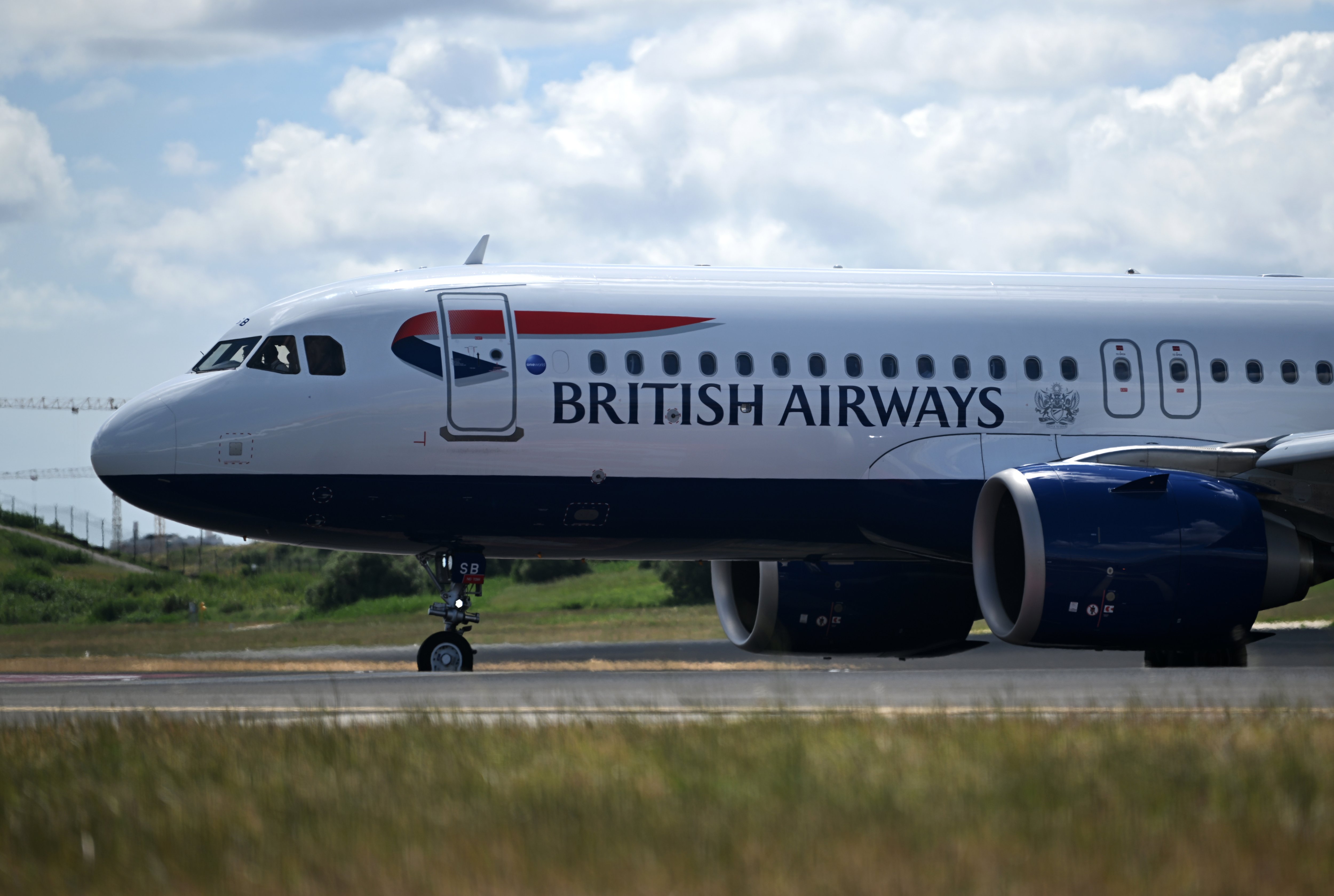
Around 22 Britons are expected to be repatriated to the UK once the ship reaches Tenerife.
LATEST DEVELOPMENTS
- Britons trapped on virus-hit cruise ship could be flown home from Tenerife this weekend
- Scientists race to discover if killer hantavirus has MUTATED after deadly cruise outbreak
- Britain’s biggest doctors’ union drops opposition to Cass Review - but still backs puberty blockers
Professor Maes also stressed there was no evidence of unusual mutations in the virus.
He said: “Additional sequence comparisons likewise do not reveal any striking or unusual mutations beyond the degree of variation expected for a wildlife-associated RNA virus lineage evolving in its natural reservoir.”
Investigators are still trying to answer the central question behind the outbreak: whether passengers were infected before boarding the ship - or whether transmission occurred during the voyage.
Our Standards: The GB News Editorial Charter
What's Your Reaction?
 Like
0
Like
0
 Dislike
0
Dislike
0
 Love
0
Love
0
 Funny
0
Funny
0
 Angry
0
Angry
0
 Sad
0
Sad
0
 Wow
0
Wow
0